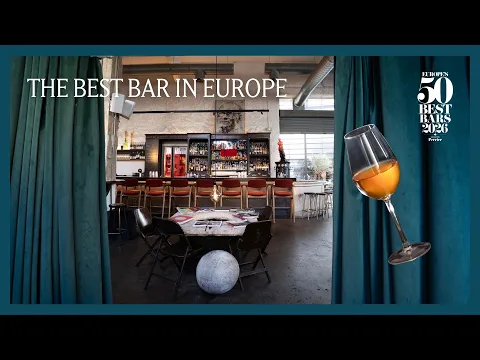
The 50 Best Bars 2026 | Live Awards Ceremony in Milan
13 September 2026
Advertisement
Discover what professional kitchens can learn from the reveal of The 50 Best Bars 2026 in Milan, focusing on culinary mixology, service flow, and sustainability trends.
Key takeaways
- Understand how top bar operations apply culinary techniques like clarification and fermentation to design complex drink profiles.
- Study the industry standards of front-of-house hospitality, service flow, and atmospheric control demonstrated by leading venues.
- Identify global trends in ingredient sourcing, sustainability, and waste reduction that can be applied to both bar and kitchen prep.
- Learn how to harmonise food menus with modern, savoury-forward beverage programmes to improve the overall dining experience.
Why the Bar Scene Matters to the Kitchen
For the modern chef, the line between the kitchen and the bar is increasingly blurred. The reveal of The 50 Best Bars 2026 in Milan offers more than just a list of destinations; it provides a comprehensive overview of where global hospitality is heading. Chefs who pay attention to these rankings gain critical insight into how the world’s top beverage directors are adapting culinary techniques. From acid adjustment and low-temperature infusions to complex fermentationFermentationA biological process in which microorganisms transform sugars and other compounds, creating acidity, gas, alcohol or complex flavours. and fat-washing, the boundaries of flavour creation are being pushed just as hard behind the bar as they are on the pass. Aligning your kitchen's food with these highly developed liquid profiles is essential for creating cohesive tasting menus.
Recognising how these venues build their menus also helps chefs understand modern palate preferences. Today's diners seek balanced, lower-sugar, and highly savoury options. Understanding these drink profiles allows chefs to adjust their seasoning and fat content, making sure the food menu acts in harmony with the beverage programme.
Front-of-House Mastery and Service Flow
Exceptional service is the backbone of any top-tier establishment. By watching this global ceremony, kitchen teams can observe the standards of front-of-house excellence that define the best operations. The bars featured on this list excel at pacing, atmosphere, and guest engagement—areas that directly impact how a diner perceives a meal. Chefs can learn how successful venues bridge the gap between back-of-house preparation and front-of-house storytelling, ensuring that every cocktail or dish served carries a consistent narrative. This broadcast serves as an industry-wide benchmark for operational flow, showing how leading venues maintain precision under pressure.
Spotting Global Ingredient and Sustainability Trends
The beverage industry is often a first responder to ingredient and sustainability trends. In this ceremony, you will see how international bars are tackling waste reduction, closed-loop systems, and local sourcing. Many of these venues work with the same raw botanicals, seasonal fruits, and preservation methods that chefs use daily. Observing how top bartenders handle these elements offers inspiration for kitchen prep, particularly in cross-utilising kitchen off-cuts for bar syrups or infusions. Staying informed about these global shifts helps kitchen leaders anticipate what diners will expect next on their plates and in their glasses.
Questions from the pass
Frequently asked questions
Why should a professional chef care about a bar ranking ceremony?
A professional chef should pay attention because modern dining requires complete integration between food and beverage. The top establishments use advanced culinary techniques such as fat-washing, clarification, and fermentation. Understanding these trends helps kitchen teams create food menus that complement modern, complex drink profiles.
What kitchen techniques are most commonly adopted by top-tier bars?
Leading mixologists regularly adopt techniques like sous-vide infusion, rotary evaporation, lacto-fermentation, and rapid clarification using agar or gelatine. These culinary methods allow bartenders to extract pure flavours and control textures, aligning the bar's output with the precision of a high-end kitchen.
How can chefs collaborate with the bar team to reduce kitchen waste?
Chefs can establish a closed-loop system by sharing ingredient off-cuts with the bar. Fruit peels, herb stems, and surplus vegetables can be repurposed into cordials, syrups, infusions, or garnishes. This collaborative approach significantly lowers overall food cost and minimises venue waste.
How do current bar service trends affect back-of-house timing?
Modern bars focus on high-speed prep and pre-batched components to ensure fast, consistent service. When the bar maintains a rapid pace, the kitchen must coordinate its service flow to match, preventing long gaps between food courses and drink top-ups.
What flavour profiles are currently dominating the global bar scene?
The global bar scene is shifting toward dry, savoury, and bitter profiles, moving away from overly sweet drinks. This change means chefs must adjust their dishes, focusing on balanced acidity and umami to avoid clashing with these more complex beverages.
Original video by 50 Best. This overview is written independently by The Chef's Circle editorial desk — watch the original on YouTube.
Keep reading
Related from the Community
 5:25
5:25WHISKEY WEDNESDAY!
 1:15
1:15Gundlach Bundschu Winery, one of California's oldest, files for bankruptcy
 8:52
8:52How Jack Daniel's Whiskey and New Balance Sneakers Are Really Made | Made In America |Travel Channel
 0:50
0:50Was Al Capone Actually in the Mafia? #mafia #history
 0:56
0:56Asia’s 50 Best Bars: The Highlights.
 1:44
1:44