Easy Spanish Omelette For One (Or Two) | Tortilla de Patatas
15 August 2026 · 3:52 watch
Advertisement
A professional look at scaling down the classic Spanish tortilla de patatas for single-portion service, focusing on gentle oil-poaching and egg tempering.
Key takeaways
- Poach, don't fry: Soften the sliced potatoes and onions slowly in olive oil without letting them colour to ensure a tender, melting texture.
- The warm fold: Mix the warm, drained potatoes directly into the beaten eggs to initiate a gentle temper, resulting in a cohesive custard.
- The flip technique: Execute a swift inversion using a flat plate once the outer shell sets to keep the interior beautifully moist and uniform.
Redefining the Scale of a Tapas Classic
The classic Spanish tortilla de patatas is often celebrated as a large-format sharing piece, cooked in deep skillets and sliced into generous wedges for tapas service. However, translating this rustic masterpiece into a controlled, single-portion or two-portion service requires a careful adjustment of scale, timing, and heat management. For professional kitchens looking to offer an authentic brunch option or a rapid-turnaround tapas plate, scaling down the classic ratio—utilising sliced potatoes, onions, and eggs—presents an elegant solution. The core technique relies not on hard frying, but on poaching the vegetables gently in extra virgin olive oil to achieve a soft, melting texture before they meet the eggs.
The Chemistry of Oil-Poaching and Tempering
A common pitfall in smaller-scale tortilla preparation is overcooking the eggs or drying out the potato starch. By gently sweating the sliced potatoes and onions in a generous bath of olive oil, the vegetables soften without taking on too much colour. This gentle heat allows the starches to release, which ultimately helps bind the tortilla together. Once tender, draining the vegetables is crucial; however, reserving that starch- and onion-infused olive oil provides an excellent base for starting the cook of the omelette itself. The warm, drained potato mixture is then folded directly into seasoned, beaten eggs. This step is vital: the residual heat from the potatoes begins to slightly cook and thicken the eggs before they even hit the pan, creating a cohesive custardCustardA preparation thickened primarily by eggs and/or starch, generally based on milk or cream.-like mixture rather than loose, dry layers of egg and potato.
Executing the Flip for a Perfect Set
The true test of any tortilla lies in the execution of the flip and the preservation of a soft, slightly moist centre (jugoso). Cooking over moderate heat ensures the base and sides set into a neat, golden shell while the interior remains custardy. When the edges begin to pull away from the pan, a flat plate is placed over the skillet to execute a swift, confident inversion. Sliding the semi-set omelette back into the pan allows the underside to seal. For an individual or dual-portion serve, this process takes mere minutes, demanding vigilant pan control to prevent the delicate centre from over-solidifying. The result is a compact, high-margin dish that can be served warm or at room temperature, making it a highly versatile addition to modern brunch menus.
Questions from the pass
Frequently asked questions
Why is it important to poach rather than fry the potatoes for a Spanish tortilla?
Poaching the potatoes gently in olive oil ensures they soften evenly without developing a crispy exterior. This slow-cooking method allows the starches to break down slightly, which helps bind the potatoes to the eggs. Frying them at high heat would create tough edges that prevent the omelette from achieving its signature cohesive, custardy texture.
How do you prevent a small-scale tortilla from drying out in the centre?
You prevent dryness by folding the warm, drained potatoes into the beaten eggs before cooking and controlling your pan heat. Allowing the warm potatoes to sit in the egg mixture briefly tempers the eggs, creating a thick custard. Cook the tortilla over a moderate flame and flip it promptly to keep the interior moist.
Should the potatoes and onions be cooled before adding them to the beaten eggs?
No, the potatoes and onions should not be cooled completely before mixing. Adding them while they are still warm helps gently cook and temper the egg mixture, creating a thicker, more uniform batter. However, ensure they are not scorching hot, which could scramble the eggs instantly upon contact.
What is the best way to execute the flip on a small tortilla without making a mess?
The best way to flip the tortilla is to use a flat, handle-less plate that completely covers the pan. Place the plate firmly over the skillet, swiftly invert both together, and then gently slide the semi-set omelette back into the pan. Executing this motion quickly and confidently prevents the runny egg from escaping.
Original video by Breakfast For One. This overview is written independently by The Chef's Circle editorial desk — watch the original on YouTube.
Keep reading
Related from the Community
 6:46
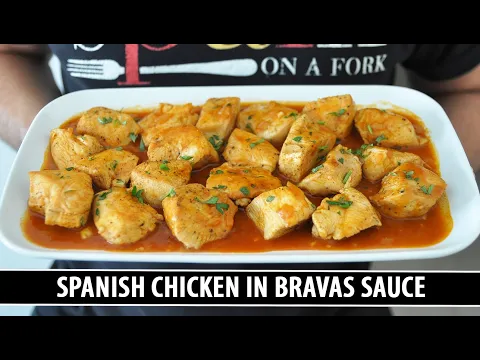
6:46Spanish Chicken in Bravas Sauce | Crazy Delicious One-Pan Recipe
 17:06
17:06The Best White Wine You've Never Heard Of: Albariño | The Wine Show
 10:49
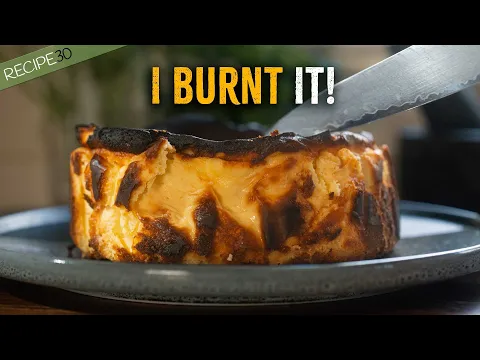
10:49The Cheesecake You're Supposed To Burn
 0:19
0:19The Best White Wine You've NEVER Heard Of! #wine #whitewine
 1:07
1:07Is frying iberico a crime? 👀📝 #spanish #sandwich #iberico #cookingfromspain
 7:32
7:32