How To Make The Perfect Spanish Tortilla
15 August 2026 · 14:21 watch
Advertisement
Master the art of the perfect Spanish tortilla with this professional guide focusing on oil selection, starch balance, and egg emulsification for a velvety, runny centre.
Key takeaways
- Select balanced potato varieties like Monalisa, Kennebec, or Agria to achieve the ideal starch-to-moisture ratio.
- Employ a dual-oil strategy: use neutral sunflower oil for potato confit and premium extra virgin olive oil for caramelising onions.
- Add a pinch of soy sauce to the onions during slow caramelisation to naturally enhance their umami profile.
- Create a warm egg-and-potato emulsion before frying to guarantee a creamy, custard-like interior texture.
The Spanish tortilla is a deceptively simple benchmark of culinary skill, where texture and temperature control define the delicate line between a dense, dry potato cake and a velvety, runny masterpiece. In this editorial guide inspired by Cooking from Spain, professional chefs are treated to a masterclass in balancing moisture, choosing the correct starch profiles, and utilising a dual-oil approach to lift this classic tapas staple for modern menus.\n\n## The Dual-Oil Method and Potato Selection\nThe foundation of an exceptional tortilla lies entirely in the potato selection. The creator recommends choosing specific varieties that offer an even, balanced profile of moisture and starch, specifically highlighting Monalisa, Kennebec, or Agria. These varieties hold their physical structure beautifully during the cooking process whilst releasing just enough starch to bind the mixture without turning gummy.\n\nA key technical revelation is the strategic deployment of different oils for distinct cooking phases. Rather than confiting everything in extra virgin olive oil—which can easily overpower the finished dish and prove highly cost-prohibitive in a busy commercial kitchen—the recipe utilizes sunflower oil to fry and confitConfitSlow cooking submerged in fat at low temperature for tenderness and preservation. the potato slices. This neutral cooking medium allows the clean, natural potato flavour to shine through without any heavy grease. In contrast, premium extra virgin olive oil is reserved specifically for poaching and caramelising the onions, ensuring its complex, fruity notes are captured and preserved without being degraded by high-heat frying.\n\n## CaramelisationCaramelisationThe thermal breakdown of sugars that creates browned colour and complex sweet, toasted flavours., Emulsification, and the Flip\nWhile purists may debate the inclusion of onions in a traditional tortilla, this recipe embraces them as an essential source of deep umamiUmamiThe savoury taste associated with compounds such as glutamate and certain nucleotides. and natural moisture. The onions are slow-caramelised with a subtle, non-traditional twist: a small pinch of soy sauce to deepen the savoury, sweet profile.\n\nThe ultimate secret to achieving the tortilla’s sought-after creamy interior lies in the egg emulsification step. Rather than simply combining cooked potatoes and onions with raw beaten eggs, the technique focuses on mixing the warm, oil-infused potato and onion mixture directly into the eggs to create a loose, rich emulsion. This pre-temperingTemperingControlled heating and cooling of ingredients, particularly chocolate, to create the desired crystalline structure. stage ensures the eggs cook incredibly evenly and retain a custardCustardA preparation thickened primarily by eggs and/or starch, generally based on milk or cream.-like texture. Finally, mastering the art of the quick flip on high heat seals the golden exterior, leaving a perfectly runny, oozing centre when sliced. This approach provides chefs with a highly reliable formula for a premium, crowd-pleasing tapas dish.
Questions from the pass
Frequently asked questions
Which potato varieties work best for a Spanish tortilla?
For the best results, use potato varieties that offer an even balance between moisture and starch, such as Monalisa, Kennebec, or Agria. These types maintain their structure during the confit process while releasing enough starch to bind seamlessly with the eggs, ensuring a cohesive but light texture.
Why use two different types of oil in this recipe?
Using two oils balances flavour and cost. Sunflower oil is used as a neutral medium to confit the potatoes without overpowering them. Premium extra virgin olive oil is reserved specifically for poaching and caramelising the onions, allowing its rich, fruity notes to stand out in the final dish.
How do you achieve a perfectly runny centre in a tortilla?
A runny centre is achieved by creating a warm emulsion of eggs, warm confit potatoes, and onions before cooking. This pre-tempers the eggs. You then sear the tortilla quickly on high heat to seal the outer crust while keeping the interior soft and custard-like.
What is the purpose of adding soy sauce to the onions?
A small pinch of soy sauce is added during the onion caramelisation process to enhance the overall umami profile. While non-traditional, it deepens the sweet, savoury character of the caramelised onions, providing a richer flavour base that contrasts beautifully with the mild potatoes and eggs.
Original video by Cooking from Spain. This overview is written independently by The Chef's Circle editorial desk — watch the original on YouTube.
Keep reading
Related from the Community
 6:46
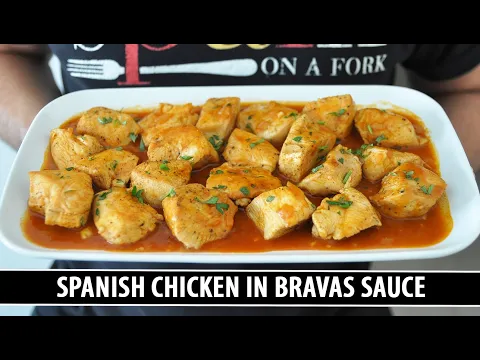
6:46Spanish Chicken in Bravas Sauce | Crazy Delicious One-Pan Recipe
 17:06
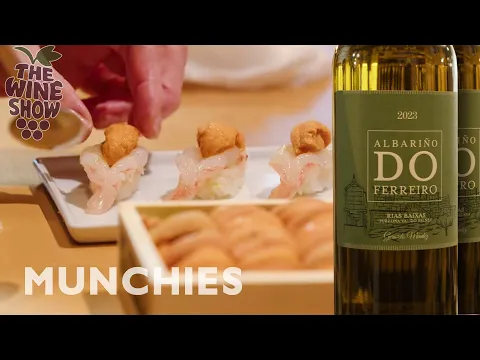
17:06The Best White Wine You've Never Heard Of: Albariño | The Wine Show
 10:49
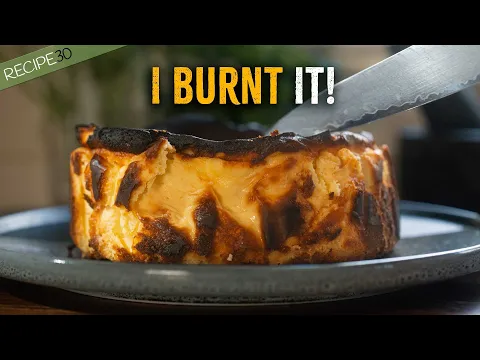
10:49The Cheesecake You're Supposed To Burn
 0:19
0:19The Best White Wine You've NEVER Heard Of! #wine #whitewine
 1:07
1:07Is frying iberico a crime? 👀📝 #spanish #sandwich #iberico #cookingfromspain
 7:32
7:32