Baked Ziti (Pastitsio) a la | Chef Jean-Pierre
15 August 2026 · 36:00 watch
Advertisement
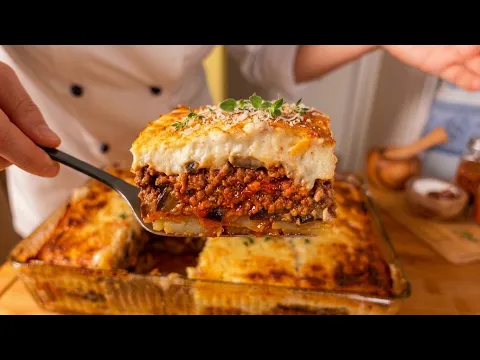
Chef Jean-Pierre lifts the humble pasta bake by blending Italian-American baked ziti with Greek pastitsio, utilizing a rich meat ragù and a velvety Mornay sauce.
Key takeaways
- Lift simple pasta bakes by incorporating a classical Mornay sauce alongside a traditional meat ragù.
- Always undercook the pasta to ensure it retains its bite after absorbing sauce during the baking process.
- Incorporate freshly grated nutmeg into the cheese sauce to balance dairy richness and nod to Greek pastitsio.
- Utilise fresh, oil-tossed breadcrumbs instead of dry packaged ones for an artisanal, golden-brown crust.
Redefining the Pasta Bake
The classic pasta bake is a staple of high-volume catering and casual dining alike, yet it is often dismissed as simple comfort food. Chef Jean-Pierre redefines this narrative by blending the comforting, cheese-laden appeal of an Italian-American baked ziti with the structured elegance of a Greek pastitsio. By introducing classical European sauce work to a rustic family favourite, chefs can lift a standard menu item into a premium, crowd-pleasing signature dish. The success of this cross-cultural fusion relies entirely on culinary precision, correct ratios, and the thoughtful interplay of two distinct sauces.
The Dual-Sauce Architecture
At the heart of this dish is a sophisticated pairing of a robust meat ragù and a velvety cheese Mornay. Rather than simply mixing pasta with ground beef and pre-shredded cheese, this technique calls for building two separate sauce components. The ragù provides a deep, savoury foundation, clinging to the tubes of the ziti. Meanwhile, the cheese-enriched Mornay sauce adds luxurious creaminess and structural stability. Seasoning the Mornay with freshly grated nutmeg is an essential step; this warm spice cuts through the heavy fats of the dairy and cheese, bridging the flavour profile directly to its Greek pastitsio inspiration. Using a high-quality oil, such as garlic olive oil, to build the aromatic base of your ragù ensures a cohesive depth of flavour throughout.
Assembly, Timing, and Textural Contrast
To prevent the common pitfall of a mushy, homogeneous bake, precision timing is required. The pasta must be boiled extremely al denteAl DenteItalian for "to the tooth"; describing pasta or vegetables cooked until tender but retaining a firm bite.—essentially par-boiled—as it will absorb a significant amount of liquid and continue cooking during its oven cycle. When assembling the casserole, the layers must be constructed deliberately to ensure every portion offers a balanced distribution of meat, pasta, and cream. Finishing the dish with a generous layer of melting cheese and fresh, oil-tossed breadcrumbs creates an irresistible golden-brown crust. This crunch contrasts beautifully with the tender pasta and rich, bubbling sauces beneath, offering a multi-sensory experience that commands a premium on any menu.
Questions from the pass
Frequently asked questions
How does combining a ragù and Mornay sauce benefit a baked pasta dish?
Using both sauces creates a complex contrast of rich, savoury meat and creamy, velvety dairy. The Mornay sauce coats the ziti to keep it moist, while the ragù provides deep, umami-rich base notes that prevent the dish from feeling flat or overly heavy.
What role does nutmeg play in the Mornay sauce for this dish?
Nutmeg acts as a crucial flavour enhancer that cuts through the richness of the cheese and milk. It adds a subtle warm undertone that lifts the cheese sauce, a classic technique borrowed directly from Greek pastitsio preparations.
Why are fresh breadcrumbs preferred over dry packaged ones for the topping?
Fresh breadcrumbs absorb olive oil and melted fats much better, resulting in a superior golden-brown, crispy crust. Packaged crumbs can dry out too quickly or turn dusty, whereas fresh crumbs provide an artisanal, rustic texture.
How can chefs prevent the pasta from becoming mushy during the bake?
To maintain structural integrity, the ziti must be cooked significantly under al dente before assembly. Because the pasta continues to absorb moisture and cook in the oven from the hot ragù and Mornay, par-boiling is essential to avoid soggy results.
Main ingredients
Original video by Chef Jean-Pierre. This overview is written independently by The Chef's Circle editorial desk — watch the original on YouTube.
Keep reading
Related from the Community
 2:11
2:11The BEST Greek Dip You’ve Never Tried | Authentic Greek Tyrokafteri (Spicy Feta Dip)
 0:15
0:153 Soup Recipes I Can't Wait to Make This Fall | Easy Soup Recipes #souprecipe
 0:10
0:103 Sheet Pan Dinners (Easy Dinner Recipes!) #shorts #easydinner
 0:45
0:45Stop Wasting Time! Easy Tzatziki Recipe Hack! #chefdez #cooking #tzatziki #tzatzikisauce #yogurt
 0:34
0:34Greek Cabbage Rice (Easy Cabbage Recipe) #cabbage
 6:09
6:09