Cuisine

Italian-American

Master the heavy-hitting classics of Italian-American cooking, from slow-simmered Sunday sauces and chicken parm to high-margin prep tips from the industry's best channels.

Italian-American cuisine isn't just Italian food with larger portions; it is a distinct, highly profitable branch of culinary history born from adaptation. Built on heavy garlic, long-simmered red sauces, and cheap, abundant cuts of meat, this style of cooking demands absolute control over moisture, fat emulsification, and acidity.

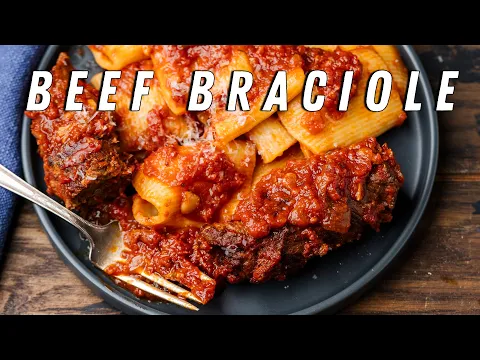
The primary pitfall in this category is laziness with the foundations. A proper Sunday sauce needs hours of slow braising to develop depth without burning, while a vodka sauce relies on precise alcohol reduction to bridge the gap between acidic tomatoes and heavy cream. For high-volume prep, dishes like baked ziti, beef braciole, and chicken parm require strict moisture control to avoid soggy breading or watery sauces on the line.

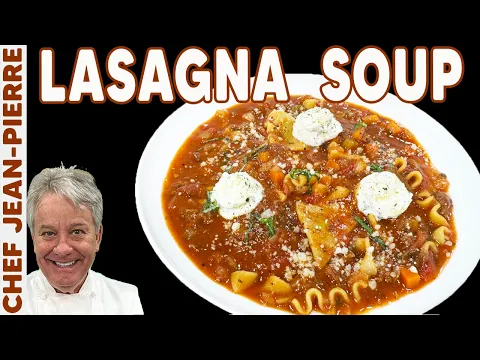
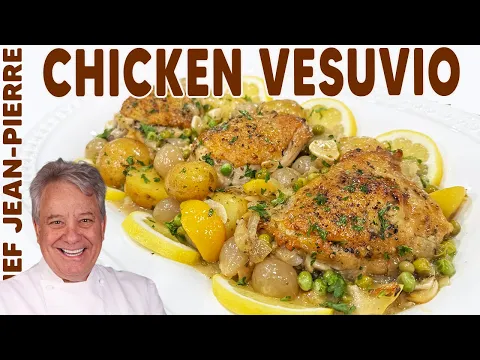
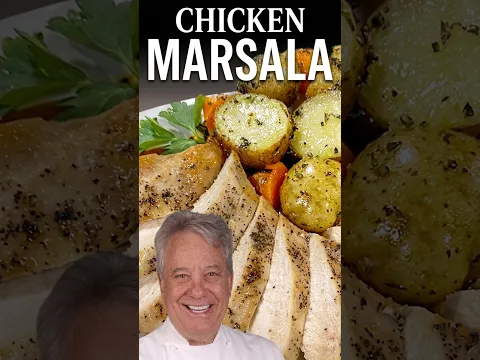
In this section, we break down the execution behind these high-margin classics. Featuring techniques from Chef Jean-Pierre, Bon Appétit, PBS Food, and Sip and Feast, you will find practical guides to mastering chicken vesuvio, layering a proper lasagna soup, and nailing the feast of the seven fishes stew for your seasonal menus.

Shorts & reels

Quick hits from the pass

Sixty-second clips — one idea, one trick, no preamble.

Questions from the pass

Italian-American: frequently asked

What is the difference between marinara and Sunday gravy?

Marinara is a quick-cooking tomato sauce made with garlic, basil, and olive oil, ready in 30 minutes. Sunday gravy is a heavy, meat-infused ragù simmered for four to six hours. It features cheap, tough cuts like pork neck bones, beef chuck, and Italian sausage, which break down to enrich the tomato base.

How do you keep chicken parmesan from getting soggy?

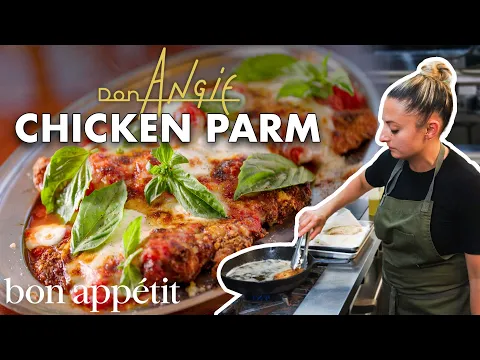
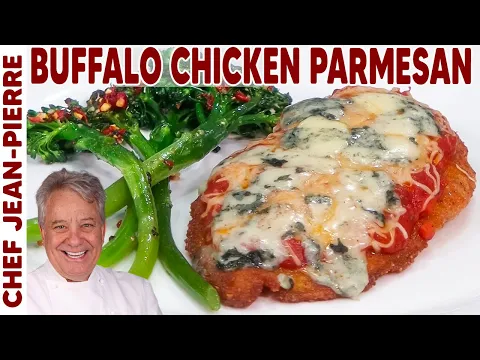
Use panko breadcrumbs mixed with fine grana padano for the crust, and shallow-fry at 180°C. Drain on a wire rack, not paper towels. Apply a thick, reduced tomato sauce sparingly only down the centre of the breast, leaving the edges exposed, then top with low-moisture mozzarella before browning under the salamander.

Why is vodka added to tomato cream sauce?

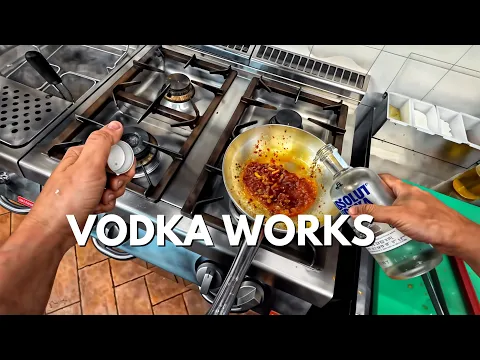
Vodka acts as an emulsifier, binding the acidic tomato paste and dairy fats without splitting. It also extracts alcohol-soluble flavour compounds from the tomatoes. Simmer the sauce at 80°C for at least ten minutes after adding a 5% volume ratio of 40% ABV vodka to burn off the harsh alcohol taste.

How do restaurants prep garlic bread for service?

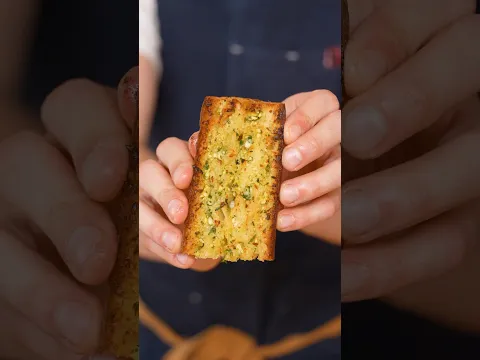
Whip softened unsalted butter with 10% garlic paste, parsley, and sea salt. Slice ciabatta or sub rolls, spread the butter rim-to-rim, wrap in foil, and hold in the fridge. Bake at 200°C for 12 minutes, opening the foil for the last three minutes to crisp. This prep ensures a three-day shelf life.

Why are Italian-American meatballs so soft?

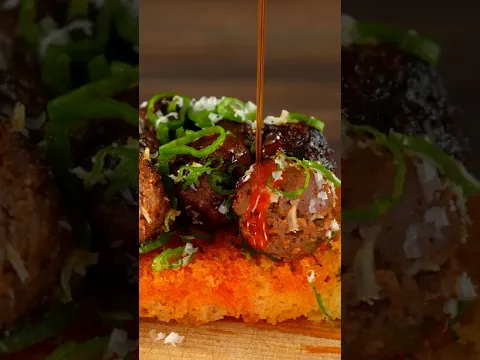
The softness comes from using a panade—white bread soaked in milk at a 1:1 ratio—which prevents meat proteins from tightening. Use a 70:30 mix of beef mince and fatty pork mince. Bake the meatballs at 220°C for 15 minutes to colour before finishing them in a simmering tomato sauce for one hour.

The library is just the prep work

Step off the pass. Join the network.

A free account on The Chef's Circle app gets you a professional portfolio, a way in with chefs and kitchens across our 1.6 million-strong following, and a cut of the ad revenue on the content you make.