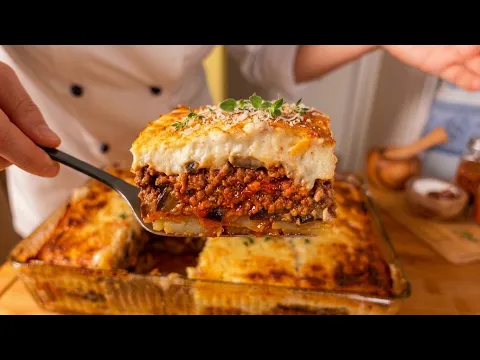
 6:09
6:09Greek Cuisine
I Found the Secret to Taverna-Style Moussaka | Traditional Greek Moussaka
Master the art of traditional Greek moussaka with professional tips on moisture control, potato foundations, and a stable, sliceable béchamel crown.
Cuisine
Practical guides and recipes for mastering Greek kitchen essentials, from crispy fried zucchini to slow-roasted lamb and traditional moussaka béchamel.
Greek cuisine is defined by its reliance on raw ingredient quality, heavy use of olive oil, and the balancing acidity of lemon. For a professional kitchen, the trap is often execution: over-complicating rustic dishes or failing to control moisture. When frying zucchini, moisture control determines whether you get a crisp crust or a greasy mess. Similarly, mastering the thick, stable béchamel needed to hold up a slice of traditional moussaka or pastitsio requires precise temperature control and fat-to-flour ratios.
In this section, we cover both traditional methods and modern prep-line shortcuts. You will find guides on producing hand-kneaded tsoureki (Greek brioche) without a mixer, nailing the classic lemon-and-oregano emulsion for pan-roasted chicken, and exploring subterranean wood-fired lamb techniques highlighted by YETI.
Featuring recipe breakdowns and video tutorials from Chef Jean-Pierre, The Mediterranean Dish, and Downshiftology, this collection focuses on high-yield, prep-friendly Greek classics that deliver clean, punchy Mediterranean flavours without slowing down your service.
6:09Master the art of traditional Greek moussaka with professional tips on moisture control, potato foundations, and a stable, sliceable béchamel crown.
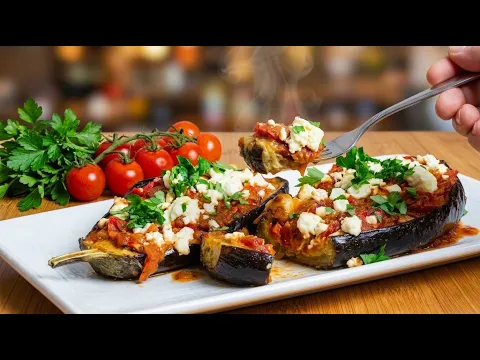 4:12
4:12Discover how to prepare authentic Greek Imam Bayildi, a classic plant-based dish of slow-cooked, melt-in-the-mouth stuffed eggplants packed with sweet, aromatic tomatoes and onions.
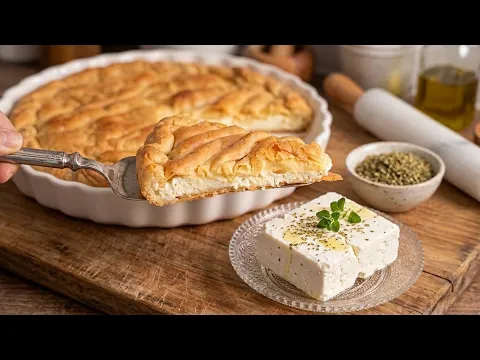 6:15
6:15Master a production-friendly stacking technique to create a crispy, flaky Greek cheese pie (Tiropita) from scratch without rolling paper-thin phyllo.
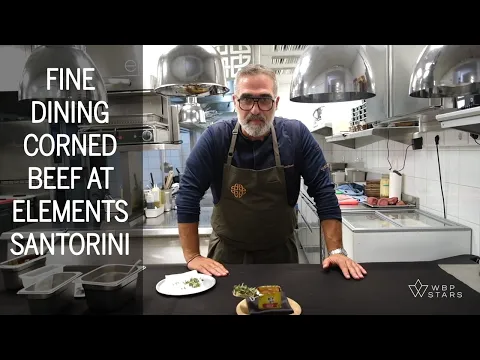 4:39
4:39Discover how Executive Chef Tasos Stefatos refines traditional corned beef into a striking tasting-menu dish at Elements in Santorini.
 8:01
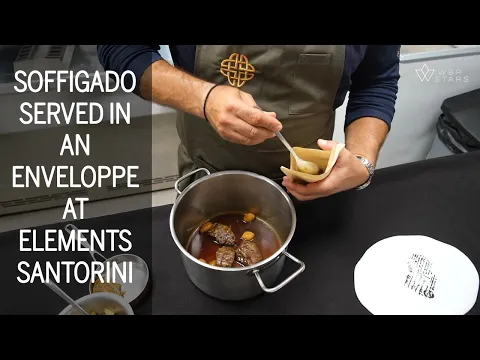
8:01Discover how Chef Tasos Stefatos modernises the traditional Greek soffigado at Elements in Santorini, using a precise envelope technique to lock in garlic and vinegar aromatics for table-side service.
 12:09
12:09Julia Pacheco demonstrates six healthy, budget-friendly dump-and-go slow cooker recipes, showcasing smart grain integration and low-intervention prep.
 13:34
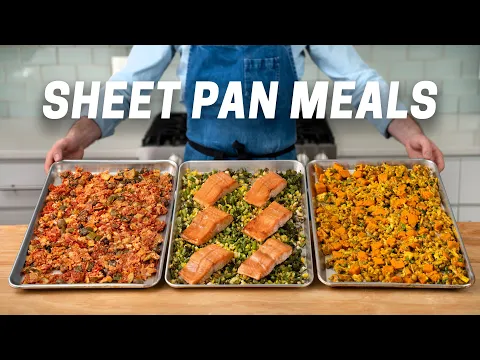
13:34Discover how to master high-heat roasting with three efficient, flavour-packed sheet pan meals. Learn the science of preheating trays, moisture control, and ingredient staggering for perfect caramelisation.
 19:05
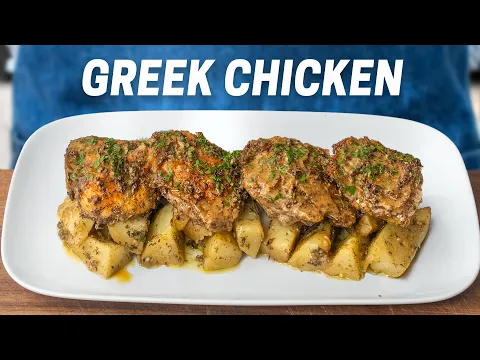
19:05Discover how to lift the classic Greek chicken and potato tray bake. Chef Brian Lagerstrom reveals key techniques for crisping skin, melting collagen, and creating an emulsified pan sauce reduction.
 32:16
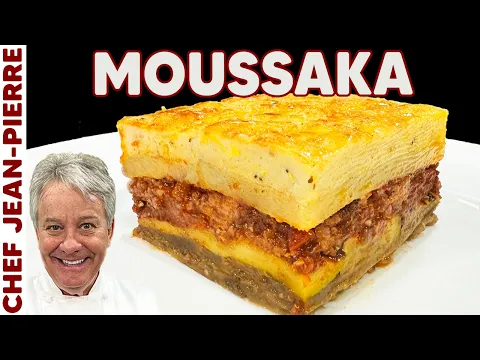
32:16Discover how to master the delicate art of structural baking with Chef Jean-Pierre's Greek moussaka eggplant lasagna. Learn the secrets to moisture control, perfect layering, and a rich Mornay sauce.
 7:28
7:28Discover Tom Kerridge's efficient one-tray method for slow-roasting lamb shoulder. Learn how to braise, render fat, and roast Mediterranean vegetables and halloumi in a single pan for maximum flavour and minimal prep.
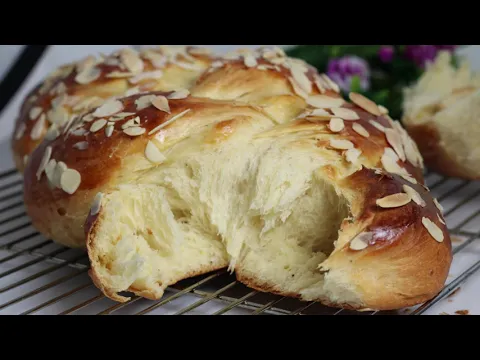 5:39
5:39Discover how to master Greek tsoureki without a stand mixer. This professional guide covers gluten development using high-protein flour, traditional aromatics, and the role of yoghurt in securing a feather-light, long-lasting crumb.
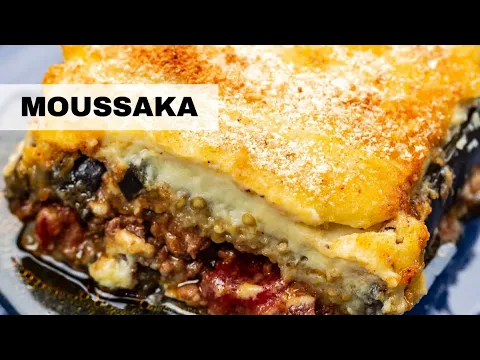 9:16
9:16A masterclass in layering textures and balancing robust Mediterranean spices, this professional guide to traditional Greek moussaka breaks down the secrets to a perfectly structured eggplant casserole.
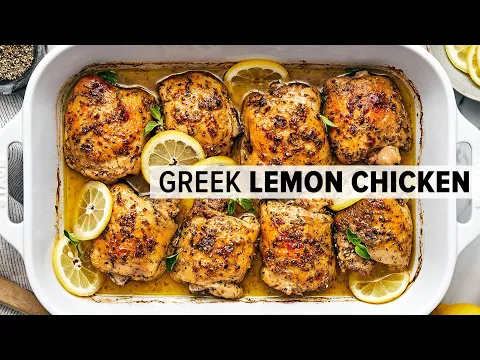 6:15
6:15Discover how to master Greek lemon chicken thighs with this expert guide from Downshiftology. Learn how an emulsified lemon vinaigrette tenderises the meat and produces a rich, natural pan jus during high-heat roasting.
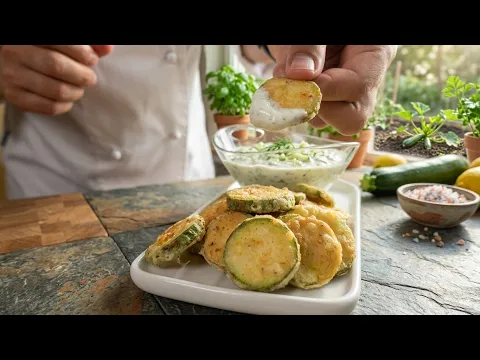 3:20
3:20Discover the authentic Greek tavern secret to perfectly crispy, non-greasy fried zucchini (kolokithakia tiganita) using a surprising water-dipping technique.
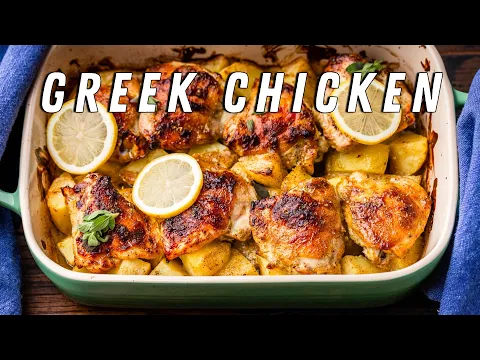 18:01
18:01Master the art of the perfect Greek traybake with this expert breakdown of Sip and Feast's one-pan lemon chicken and potatoes, focusing on emulsion mechanics and starch control.
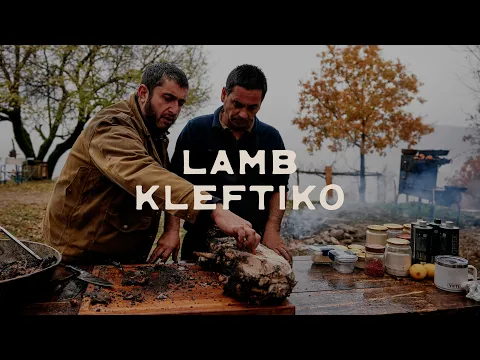 12:54
12:54Discover the ancient Greek technique of underground lamb cooking in Zagorohoria. Learn how chefs use a natural hide wrap and hot stones to revive a centuries-old culinary tradition.
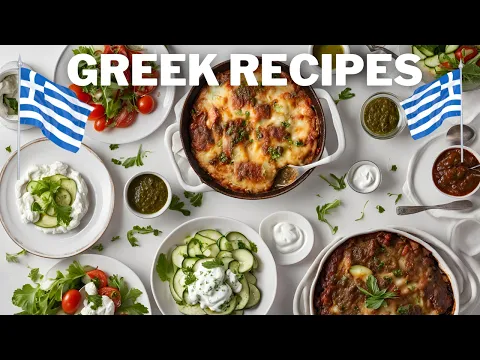 7:46
7:46Discover the culinary secrets behind five foundational Greek classics. This professional overview details the critical techniques of moisture control, emulsion stability, and layering needed to perfect spanakopita, tzatziki, moussaka, and more on your menu.
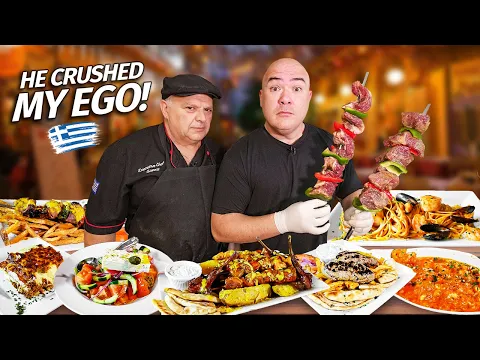 15:42
15:42Discover the art of authentic Mediterranean live-fire cooking as YouTube host Guga steps into the commercial kitchen of Meraki Greek Bistro to learn the grilling and seasoning secrets of Greek Master Chef Giannis Kotsos.
 78:17
78:17An editorial breakdown of Mediterranean techniques from leading chefs, showcasing texturised falafel, high-heat seafood, and structured pastitsio for professional kitchens.
 36:00
36:00Chef Jean-Pierre lifts the humble pasta bake by blending Italian-American baked ziti with Greek pastitsio, utilizing a rich meat ragù and a velvety Mornay sauce.
Shorts & reels
Sixty-second clips — one idea, one trick, no preamble.
 2:11
2:11 0:15
0:15 0:10
0:10 0:45
0:45 0:34
0:34 0:13
0:13 2:56
2:56 2:38
2:38 0:15
0:15 0:36
0:36 1:58
1:58Questions from the pass
To keep moussaka neat, enrich the béchamel with egg yolks (two yolks per 500ml of milk) and off-heat grated kefalotyri cheese. Let the baked moussaka rest at room temperature for at least 30 to 45 minutes before slicing. This allows the starch in the aubergines and the proteins in the sauce to set.
Slice courgettes ultra-thin (1-2mm) using a mandoline. Salt them heavily and drain in a colander for 30 minutes to draw out excess moisture. Dredge in iced water, then lightly coat in plain flour or cornflour. Deep-fry immediately in vegetable oil at 180°C until golden and crisp, then drain on kitchen paper.
For classic Kleftiko, wrap lamb shoulder tightly in parchment paper and foil with garlic, oregano, lemon juice, and potatoes. Roast at 150°C (130°C fan) for 4 to 4.5 hours until the meat reaches 90°C internally and pulls apart easily. Unwrap and blast at 220°C for 15 minutes to crisp the fat.
Use pork neck or shoulder cut into 2.5cm cubes. Marinade for 4 to 12 hours in a ratio of three parts olive oil to one part red wine vinegar or lemon juice, heavy on dried Greek oregano, garlic, and salt. Acid tenderises the meat, whilst the fat content in pork neck prevents drying over hot charcoal.
Watery tzatziki is caused by cucumber moisture. Grate English cucumbers, salt them, and let them drain in a cheesecloth-lined sieve for 1 hour, squeezing out all liquid. Mix this dry cucumber pulp into full-fat Greek yoghurt (5% fat minimum) with grated garlic, extra virgin olive oil, and a splash of white wine vinegar.
The library is just the prep work
A free account on The Chef's Circle app gets you a professional portfolio, a way in with chefs and kitchens across our 1.6 million-strong following, and a cut of the ad revenue on the content you make.