Could This Really Be The BEST STEAK In The World? | Chef Jean-Pierre
15 August 2026 · 14:26 watch
Advertisement
Discover why the prized Brazilian picanha cut offers unparalleled flavour and value. Chef Jean-Pierre breaks down how to butcher, season, and pan-sear this culinary gem.
Key takeaways
- Portion picanha by cutting parallel to the grain so the final plate cut is against the grain for maximum tenderness.
- Retain the signature thick fat cap to naturally baste the lean meat and enhance overall flavour.
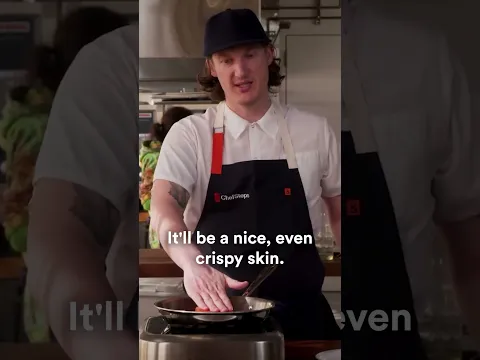
- Render the fat cap first in a cold or medium-hot stainless steel pan before searing the meat faces.
- Use thermal tools like infrared and instant-read thermometers to monitor pan heat and achieve a precise medium-rare finish.
Demystifying the Picanha Cut\n\nFor professional kitchens seeking to balance rising food costs with exceptional flavour, the picanha—traditionally known in the UK as the rump cap, sirloin cap, or coulotte—presents an invaluable opportunity. In this culinary overview, Chef Jean-Pierre explores why this Brazilian favourite is widely celebrated as the best-value steak in the world. Chefs will learn how to approach this unique subprimal cut, which boasts a thick, signature fat cap that is essential for both moisture retention and deep, beefy flavour. The magic of the picanha lies in this fat layer, which must be treated with respect to unlock its full gastronomic potential on the plate.\n\n## Strategic Butchery and Portioning\n\nMastering the picanha requires a precise understanding of grain direction and knife skills. Chef Jean-Pierre demonstrates the crucial technique of portioning the whole cap. To ensure ultimate tenderness for the diner, the primal must be sliced into thick individual steaks along (parallel to) the grain. This ensures that when the customer cuts into their served steak, their knife naturally cuts against the grain, yielding an incredibly tender texture. Trimming is another area where many novice chefs stumble; leaving a generous layer of the fat cap intact is absolutely paramount, as it slowly bastes the lean underlying muscle during cooking.\n\n## Pan-Searing and Thermal Precision\n\nTransitioning to the stove, the cooking process relies on heat control and patience rather than raw power. Rather than dropping the steak into a smoking-hot pan, chefs must focus on rendering the fat. Chef Jean-Pierre utilises a heavy stainless steel pan, starting the searing process fat-side down. This slowly renders the fat, providing a natural cooking oil and developing a deeply caramelised, golden crust. Utilising an infrared laser thermometer helps monitor the pan's surface temperature, while an instant-read probe thermometer prevents the critical pitfall of overcooking this lean muscle. After a thorough sear and basting, a proper resting period is essential to allow the juices to redistribute, ensuring a succulent service every time.
Questions from the pass
Frequently asked questions
What exactly is the picanha cut, and where does it come from?
Picanha is the rump cap or sirloin cap muscle, located at the top rear of the cow. It is highly prized in Brazilian rodizio dining for its thick, rich fat cap and tender, deeply flavourful meat, offering a premium eating experience at a far lower price point than ribeye or tenderloin.
Why must you slice picanha with the grain when portioning raw steaks?
Slicing raw picanha with the grain ensures the final cooked steak is sliced against the grain by the diner. When the diner cuts into their cooked portion at the table, their knife cuts across the muscle fibres, yielding an incredibly tender and easily chewable texture.
How do you prevent the fat cap from burning while pan-searing?
To avoid burning the fat cap, start the steak fat-side down in a moderately heated stainless steel pan. This allows the fat to render slowly and develop a crisp, golden crust without scorching. Monitor the pan temperature closely with a laser thermometer to ensure optimal heat.
Is it necessary to use oil when pan-searing picanha?
No, cooking oil is generally unnecessary when preparing picanha. Because the cut features a prominent fat cap, rendering this fat-side down first provides more than enough natural cooking fat to lubricate the pan and baste the rest of the steak beautifully.
Original video by Chef Jean-Pierre. This overview is written independently by The Chef's Circle editorial desk — watch the original on YouTube.
Keep reading
Related from the Community
 5:28
5:28Stop Adding Oil First—This Makes Mushrooms Golden Brown | Japanese Chef
 3:00
3:00Steak and egg on 1 steel pan
 47:23
47:23Jamie Oliver's Chicken Recipes & Ideas To Try This Weekend
 0:27
0:27How To Fry The Perfect Steak #howto #shorts
 13:46
13:469 astuces pour améliorer facilement tous vos plats dès maintenant
 1:38
1:38