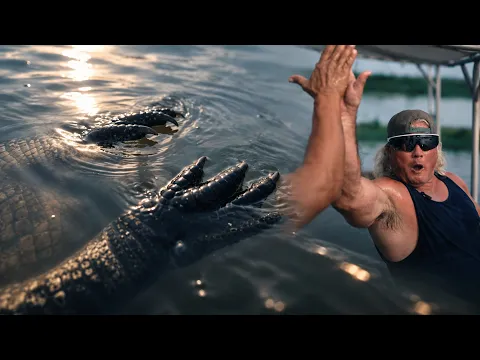
18:36Opening Day of Gator Season!
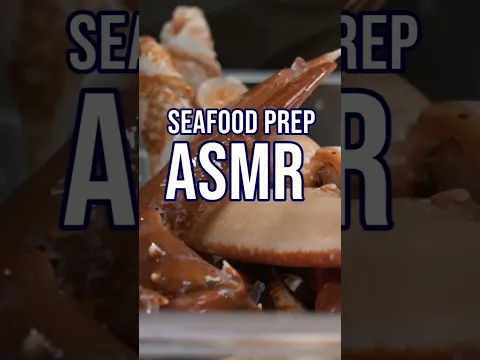
Discover the culinary potential of wild-caught Louisiana alligator. Learn the essential sourcing, butchery, and preparation techniques required to introduce this unique Cajun delicacy to your professional menu.
Technique
Master the art of breaking down primals, maximizing yields, and precision portioning to protect your food cost margins.
In a professional kitchen, butchery is where profitability begins. It is the hard boundary between a tight food cost and a blown budget. Mastering this skill means understanding how to handle whole carcasses, primals, and sub-primals with zero waste. It requires sharp steel, a solid grip on muscle anatomy, and the patience to follow the natural seams of the meat.
The core of butchery lies in consistency. Whether you are frenching racks of lamb, boning out poultry, or portioning prime beef, every gram of trim matters. One of the biggest pitfalls is rushing the blade, which scores the meat and leaves expensive protein on the bone. Clean bones mean better margins. What you do not portion for the plate must go into stocks, sauces, or farce—nothing of value gets binned.
This section gathers practical, step-by-step guides for the prep bench. You will find direct, no-nonsense methods for breaking down fur, feather, and fin, focusing on yield percentages, tool maintenance, and efficient motion.
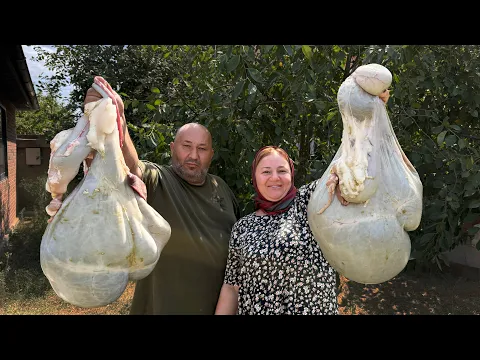
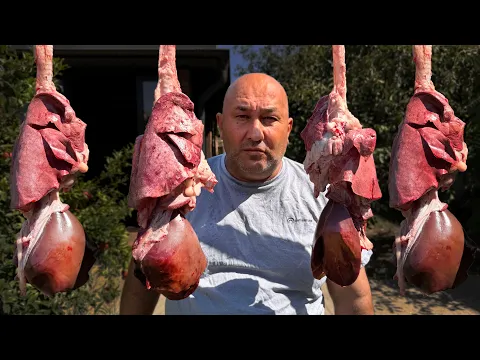
18:36Discover the culinary potential of wild-caught Louisiana alligator. Learn the essential sourcing, butchery, and preparation techniques required to introduce this unique Cajun delicacy to your professional menu.
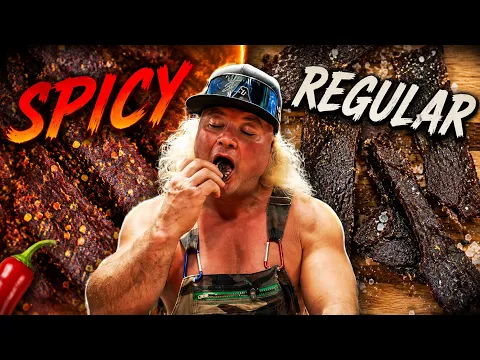
9:37A direct guide to preparing homemade deer jerky, comparing a classic savoury cure with a fiery Cajun-style spicy alternative. Learn the key principles of wild game dehydration, meat preparation, and seasoning balance.
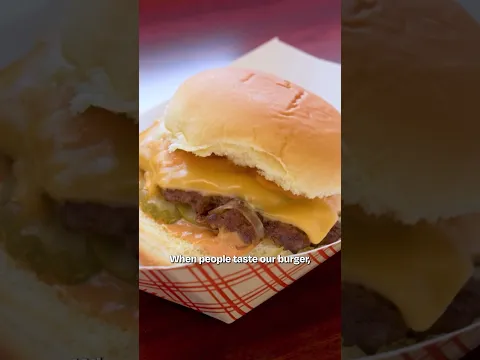
13:35Discover the operational strategies behind NYC's Jubilee Marketplace, where high-volume prep, in-house butchery, and smart cross-utilisation enable a viral $2.90 burger and $4 omakase.
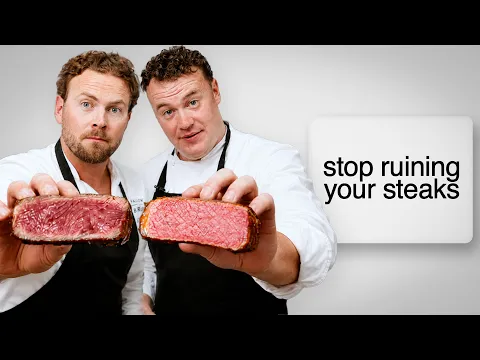
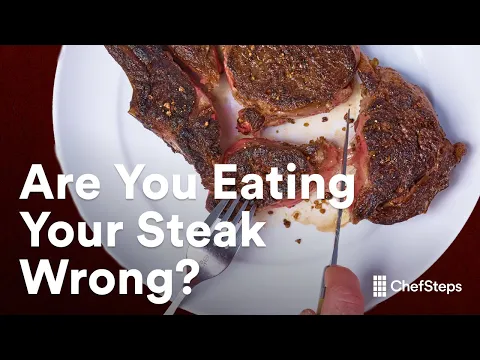
26:27The culinary team at Fallow put fifteen steak-cooking rules and myths to the test to separate kitchen folklore from genuine science, establishing an evidence-based method for cooking the ultimate steak.
54:37Discover culinary career strategy and restaurant ownership insights from Chef India Doris, winner of the 2025 MICHELIN Young Chef Award, as she discusses her path from London kitchens to New York City ownership.
14:52Stalekracker takes us into the wild to explore the patience, preparation, and field craft required to harvest wild elk, bridging the gap between raw nature and professional game cookery.
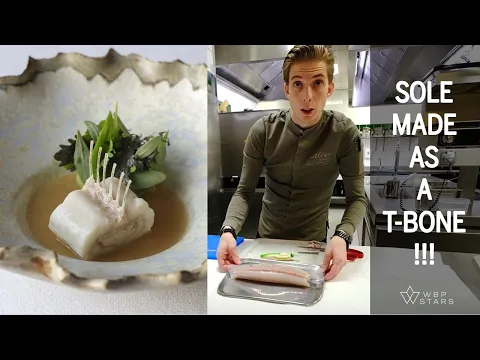
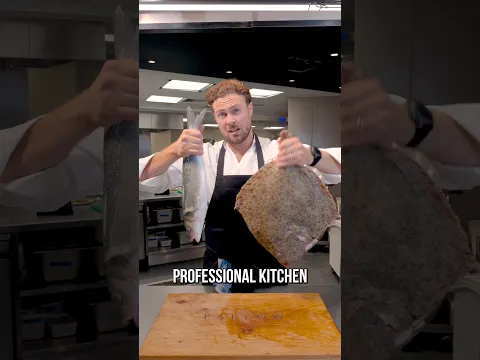
11:55Discover how Chef Kenny Friederichs prepares Dover sole as a T-bone at 1-star Restaurant Latour, maximising moisture and flavour with precise bone-on fish butchery.
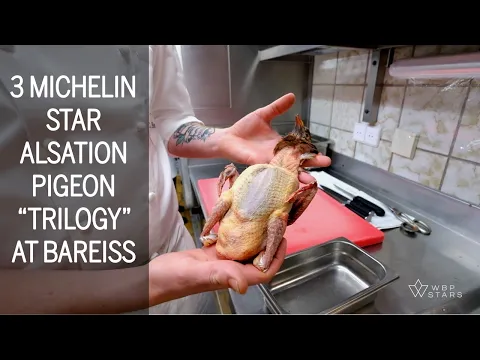
17:42Discover the precise butchery, temperature control, and composition strategies behind the three-Michelin-star Alsatian pigeon trilogy from Head Chef Cyril Bettschen at Restaurant Bareiss.
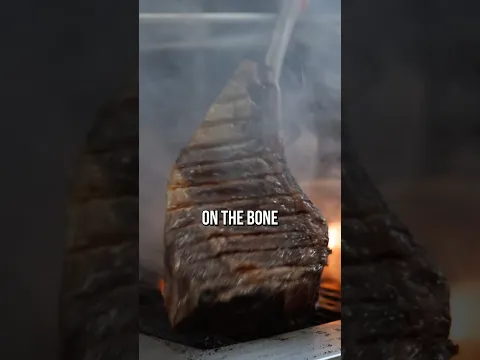
14:26Discover why the prized Brazilian picanha cut offers unparalleled flavour and value. Chef Jean-Pierre breaks down how to butcher, season, and pan-sear this culinary gem.
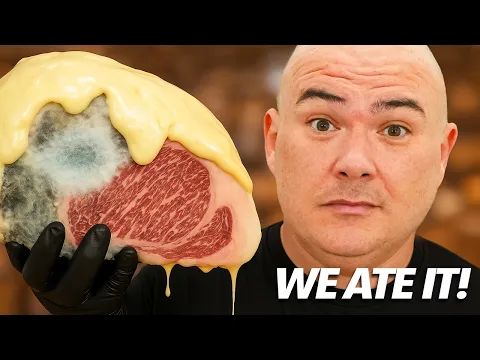
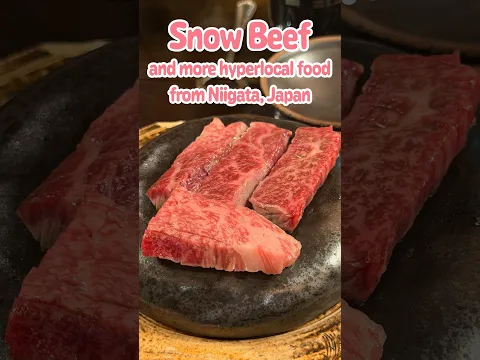
9:54We dissect Guga Foods' controversial experiment of dry-aging a $2,500 Japanese A5 Wagyu ribeye and finishing it with a debated mayonnaise-based sear.
16:07Master butcher Kevin Smith of Seattle’s Beast and Cleaver reveals how to carve filet mignon, porterhouse, and bone-in ribeye to maximise tenderness and lift professional steak service.
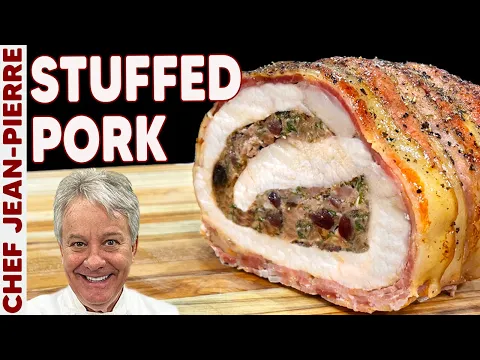
25:50Discover how to lift humble pork cuts into a spectacular banquet-worthy dish. Chef Jean-Pierre demonstrates the art of butterflying pork loin, stuffing it with a seasoned sausage mousse, and wrapping it in bacon for the ultimate self-basting roast.
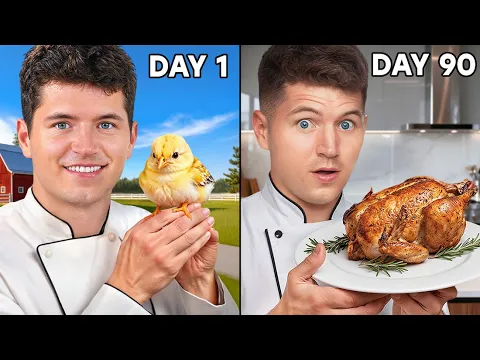
15:24Explore the profound culinary lessons of rearing, dispatching, and preparing poultry from scratch, highlighting how ethical animal husbandry directly influences meat quality, butchery technique, and cooking times.
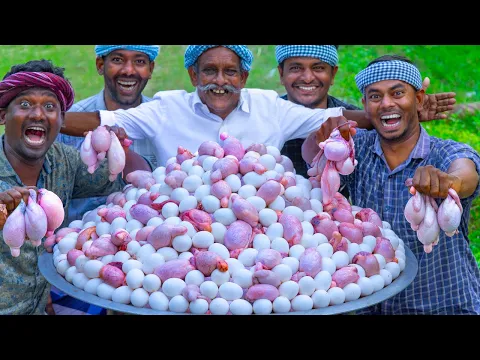
9:18Explore the traditional art of cooking goat testicles with eggs in this rustic, spice-rich demonstration. Learn the essential dual-protein technique to balance delicate textures and robust masalas.
19:10Master the foundational culinary techniques required to lift classic chicken noodle soup from scratch, focusing on whole-chicken butchery, collagen-rich stock production, and precise vegetable cookery.
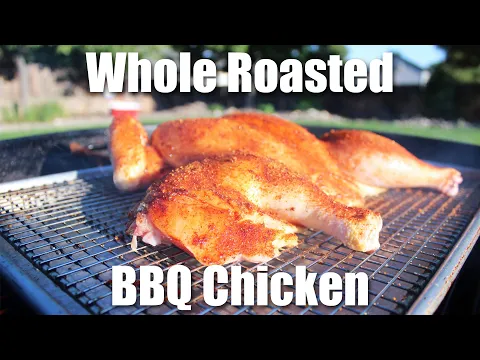
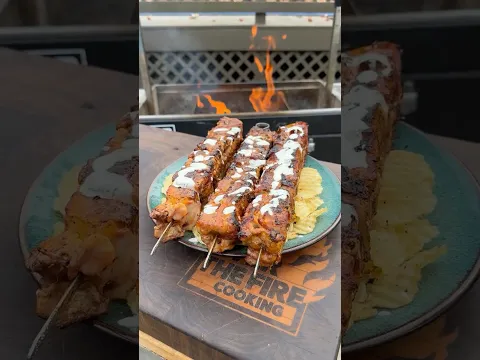
3:48Discover how to master smoked roasted spatchcocked chicken on a kettle grill. Learn the secret boiling water technique for ultra-crispy skin, the science of dual-zone indirect fire, and how to create the perfect humid smoking environment.
24:04Discover how chef Nick DiGiovanni tackles the ultimate challenge in custom menu design: preparing bespoke, veterinarian-approved meals for exotic animals, including a lion.
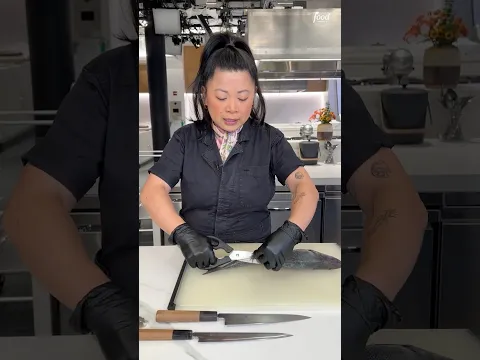
10:08Master the delicate art of filleting Pacific saury (sanma) with this step-by-step masterclass from a Michelin-starred Japanese chef, focusing on precision knife skills and delicate flesh handling.
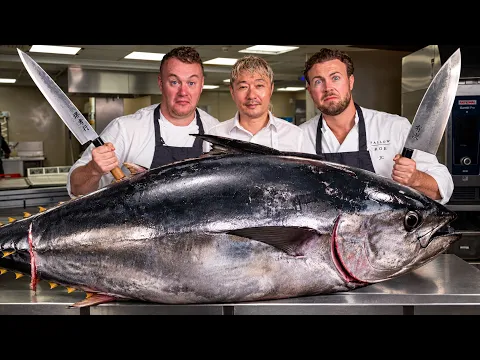
104:33Discover the essential fishmongery and preparation techniques used by professional chefs at London's Roe restaurant to ensure maximum yield, zero waste, and flawless service consistency.
15:46Can you dry-age pork, poultry, and Wagyu with the same success as standard beef? We dissect Guga Foods' boundary-pushing experiment to explore yield loss, flavour concentration, and the safety limits of alternative dry-ageing.
25:31In this comprehensive breed-by-breed analysis, Fallow tests every major chicken breed—from standard supermarket Cornish Cross to Poulet de Bresse—to discover how genetics, age, and husbandry impact texture and flavour in the professional kitchen.
3:43Master the art of deboning a turkey leg and thigh with this professional guide by Jacob Burton, focusing on removing stubborn feather bones to prepare the perfect canvas for a poultry roulade.
21:47Fallow's Will Croft and Jack Tennant explore nine underrated, cost-effective beef cuts that offer exceptional depth of flavour, challenging the supremacy of the classic ribeye on modern restaurant menus.
12:53Learn the essential science behind Prague Powder #1 and #2, how to calculate PPM accurately, and how to safely use curing salts in professional charcuterie.
14:59Master the art of the 72-hour Beef Wellington. Explore professional techniques for moisture control, dry-brining, and precise pastry execution to lift this classic showstopper.
14:36Discover how the chefs at London's Fallow execute the perfect prime rib roast. By using a precise reverse-sear method, dry-brining, and a hybrid pan-and-oven finish, they eliminate the dreaded grey band for flawless edge-to-edge medium-rare beef.
75:11Master the ultimate roast dinner with Fallow's professional system, featuring advanced turkey butchery, starch fluffing techniques, and meticulous stove management.
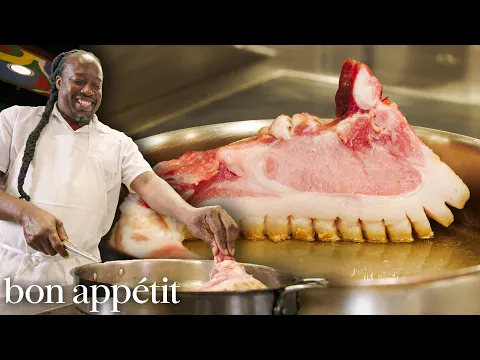
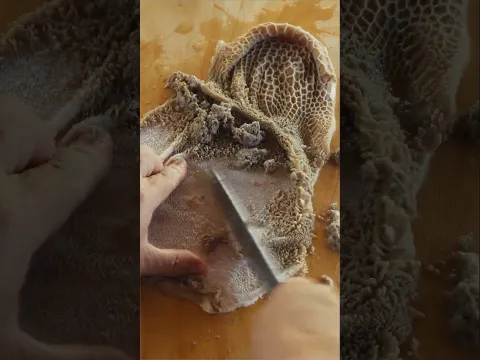
8:37Step into the Louisiana bayou with legendary chef Alzina Toups to master authentic Cajun nose-to-tail butchery, caul fat sausage wrapping, and the secrets of a perfect two-day tripe braise.
43:18Unlock the scientific principles behind dry aging and culinary fermentation with expert insights from Executive Chef Richard Brumm.
7:30Master the art of fabricating a beef chuck roll with this professional guide, focusing on seam butchery, yield optimisation, and generating high-margin cuts.
Shorts & reels
Sixty-second clips — one idea, one trick, no preamble.
1:45
0:30
0:59
1:00
2:24
0:18
1:03
2:56
2:31
1:00
2:46
1:35
1:12Questions from the pass
Scrape the membrane off the bones using a clean dry cloth or the back of a boning knife, working 5cm down from the eye muscle. Save the intercostal meat and fat trim for lamb burgers or merguez sausages at a 80:20 lean-to-fat ratio, ensuring you maintain a 70% overall yield on the primal.
Seam butchery involves separating individual muscles along natural fat lines using a flexible boning knife. Unlike cross-cutting, this technique isolates tough braising cuts from tender frying steaks. For example, separating the flat iron from the feather blade increases the yield of high-margin steaks by up to 15% compared to selling it whole.
Dry-age beef at 1°C to 3°C with humidity levels between 75% and 85%. Keep airflow at 1.5 to 2 metres per second. If the temperature exceeds 4°C, bacteria will spoil the meat; if it drops below 0°C, the enzymatic aging process stops, ruining the development of deep flavours in cuts like bone-in ribeyes.
Lay the leg flat on a sterile bench. Cut along the aitch bone, then follow the femur to release the bone cleanly. Keep your knife flat against the bone to prevent pocketing. Use the bone for pork stock and the trim for a 70:30 pork sausage recipe, keeping overall food waste below 2%.
Trussing pulls the legs and wings tight against the crown, ensuring even cooking. It prevents the breast from drying out at 74°C while waiting for the thicker thigh joints to reach their safe 82°C temperature. Secure the bird with butcher's twine, crossing over the parson's nose and tying off at the wishbone.
The library is just the prep work
A free account on The Chef's Circle app gets you a professional portfolio, a way in with chefs and kitchens across our 1.6 million-strong following, and a cut of the ad revenue on the content you make.