French Cooking Without the Fancy Price!
15 August 2026 · 36:02 watch
Advertisement
Learn how to turn a whole chicken and budget-friendly Chardonnay into a luxurious, French-style braise with Chef Jean-Pierre's masterclass on economic elegance.
Key takeaways
- Buying and portioning a whole chicken drastically reduces food costs while providing bones for stock.
- Build flavour incrementally by browning chicken, rendering bacon, and sweating vegetables in the residue.
- Finish the Chardonnay braising liquid with cream, Cognac, and butter to create a glossy emulsion.
- Maintain low, stable heat when adding dairy to prevent the rich sauce from splitting.
Classical French cuisine is often perceived as an expensive, elite pursuit, yet its foundations are rooted in clever, rustic economy. In this masterclass, Chef Jean-Pierre demystifies the classic Coq au Vin Blanc through his Chicken Chardonnay, proving that impeccable French technique does not require premium-priced cuts. For the professional chef or home cook alike, this demonstration is a lesson in maximising ingredient yield and building deep, layered flavours on a modest budget.\n\n## The Value of In-House Butchery\nThe primary lesson in cost efficiency begins with raw material sourcing. Rather than purchasing portioned breasts or thighs, the tutorial advocates for buying a whole chicken and portioning it yourself. This simple act of butchery immediately lowers the cost per kilogramme. Furthermore, it yields a variety of cuts—breasts, thighs, wings, and drumsticks—offering diverse textures in the final dish. Most importantly, the carcass and trim are retained, providing the perfect foundation for a rich, homemade white chicken stockStockA liquid made by simmering bones, meat, fish, vegetables or aromatics., ensuring zero-waste kitchen management.\n\n## Building Layers of Flavour\nThe cooking process showcases classic French braising principles. It begins by browning the chicken pieces to develop a deep golden crust, establishing the crucial fondFondThe browned residue left in a pan after searing or roasting. at the base of the pan. The rendered fat, augmented by bacon, is then utilised to sweat a rustic mix of vegetables. This method ensures that every element of the dish is seasoned by the fat of the previous stage.\n\nThe braising medium relies on a balance of Chardonnay and chicken stock. Braising slowly tenderises the chicken while concentrating the liquids. The defining technique arrives at the finish: refining the braising juices with a touch of heavy cream, a splash of Cognac for depth, and cold butter whisked in at the very end (monter au beurre) to create a glossy, velvet-textured sauce that beautifully coats the spoon.\n\n## Key Culinary Pitfalls\nA common pitfall in wine-based braises is failing to cook out the raw alcohol flavour of the Chardonnay before sealing the pot. Ensure the wine reduces slightly to mellow its acidity. Additionally, when finishing the sauce with cream and butter, keep the heat low and stable; excessive boiling at this stage risks splitting the emulsion, ruining the silky mouthfeel of this classic preparation.
Questions from the pass
Frequently asked questions
Why is it better to use a whole chicken instead of pre-cut chicken pieces?
Using a whole chicken is significantly more economical than buying pre-cut portions. It allows you to control the portion sizes, offers a variety of white and dark meat for better flavour distribution, and provides the carcass and bones needed to make high-quality, homemade chicken stock for future recipes.
Can I substitute Chardonnay with another type of white wine?
Yes, you can substitute Chardonnay with other dry white wines such as Sauvignon Blanc or Pinot Grigio. Ensure the wine is dry and of drinkable quality, as the sugars and acids will concentrate during the braising process, directly defining the flavour profile of your final sauce.
How do I prevent the cream and butter sauce from splitting?
To prevent splitting, reduce the heat to low before incorporating the dairy. Whisk the cream in gently, and when adding cold butter, use the classic technique of monter au beurre off the heat. Rapid boiling after adding butter breaks the fat emulsion, making the sauce greasy rather than velvety.
What is the purpose of adding Cognac to the sauce?
Cognac adds a deep, complex warmth and subtle oak notes that lift the acidity of the Chardonnay. It cuts through the richness of the bacon and cream, giving the finished sauce a sophisticated, layered flavour profile typical of traditional French bistro cooking.
Original video by Chef Jean-Pierre. This overview is written independently by The Chef's Circle editorial desk — watch the original on YouTube.
Keep reading
Related from the Community
 38:18
38:18These May Be the Most Delicious Potatoes in the World!
 1:04
1:04Pourquoi mes soupes manquent de profondeur
 17:04
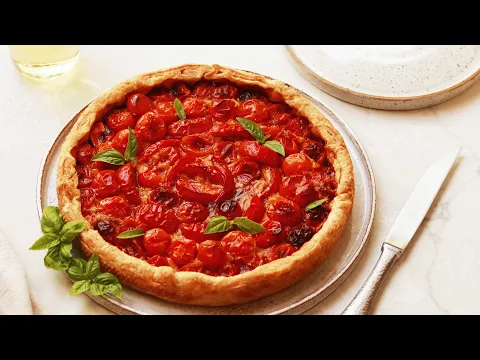
17:04Tomato Tart with Caramelized Onions and Gruyere (2.0)
 0:55
0:55The Easiest Way to Thicken Any Sauce
 0:41
0:41There are Only 5 Ingredients in This Choux Pastry
 59:48
59:48