Cuisine

French

Classic foundations, brigade traditions, and modern haute cuisine shaping contemporary professional kitchens.
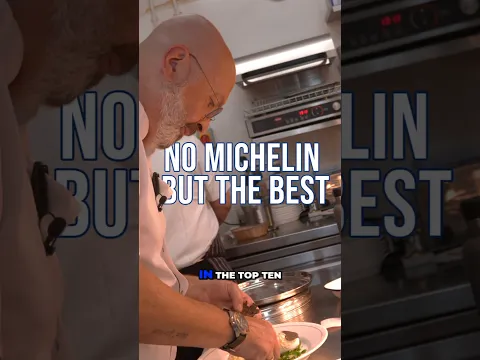
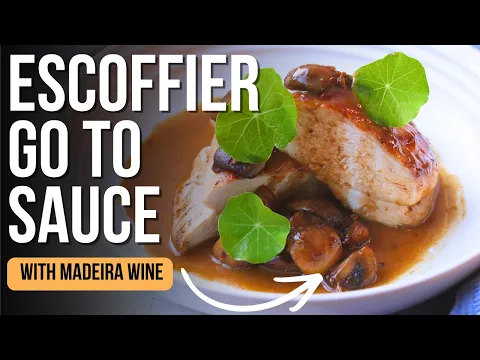
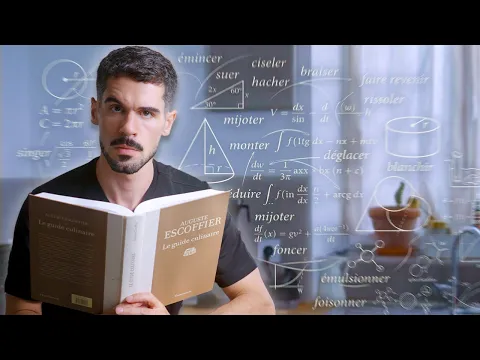
French culinary technique remains the undisputed bedrock of the modern professional kitchen. From the rigorous hierarchy of the brigade system to the precise execution of the classic mother sauces, mastering French fundamentals is non-negotiable for any chef aiming for consistency and depth of flavor. It is a discipline built on patience, heat control, and absolute precision—where a split emulsion, an over-reduced demi-glace, or a scorched roux can instantly derail a service.

This category brings together the essential techniques, technical guides, and modern adaptations of French cooking. We break down the science of heritage preservation, looking at why chefs confit to achieve incomparable texture and lock in flavor, alongside other foundational methods that form the basis of advanced kitchen work.

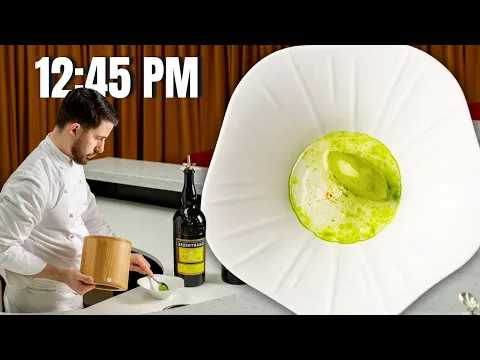
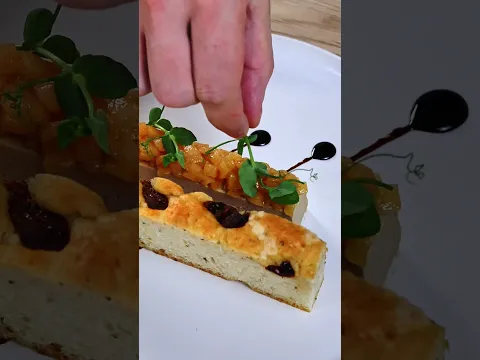
You will also find real-world inspiration from progressive UK operators like the team at Fallow Restaurant. They demonstrate how to respect classic French building blocks—like meticulous butchery and sauce work—while applying them to sustainable, modern menus. Whether you are refining your pastry work or perfecting your charcuterie, this is your resource for practical, kitchen-tested French technique.

Shorts & reels

Quick hits from the pass

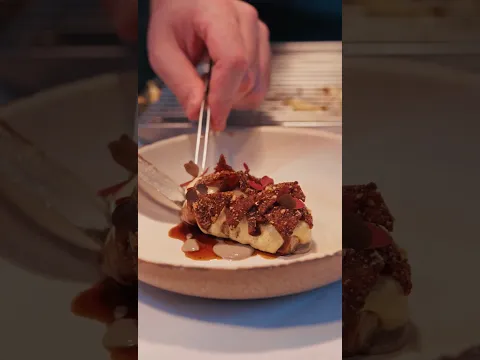
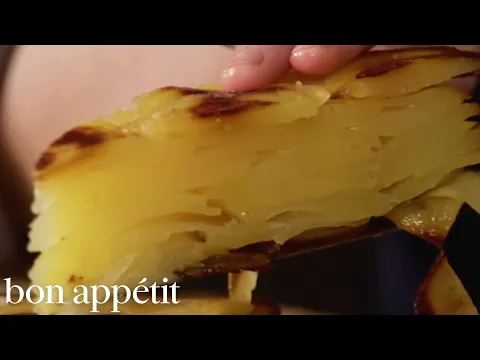
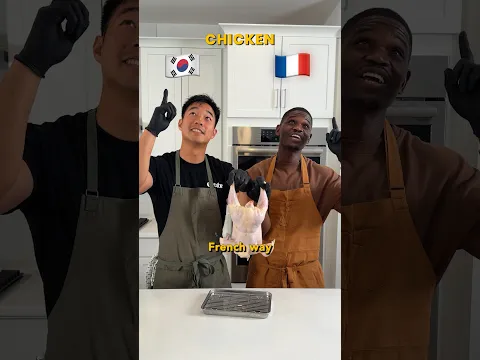
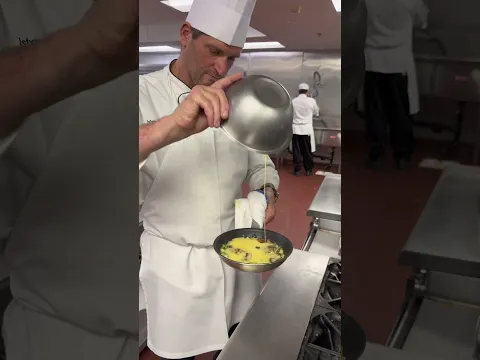
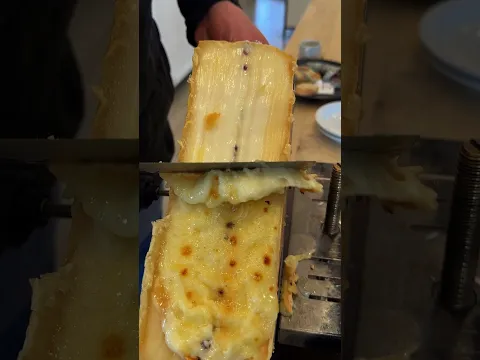
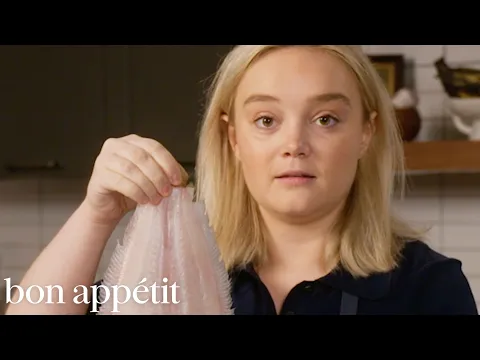
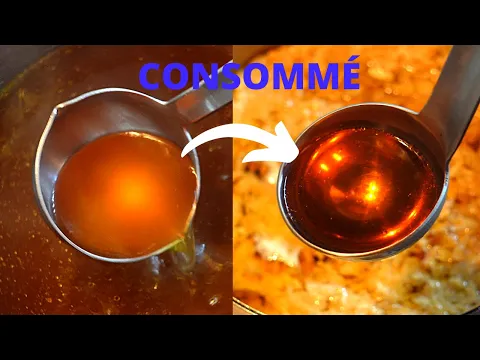
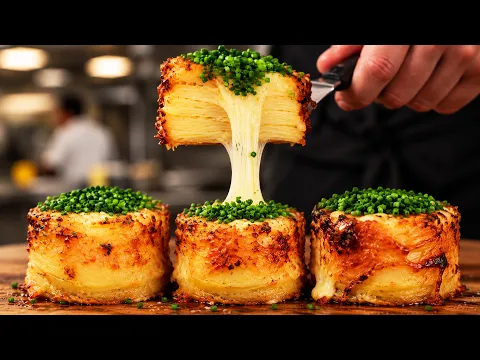
Sixty-second clips — one idea, one trick, no preamble.

Questions from the pass

French: frequently asked

What is the ratio for a classic French roux?

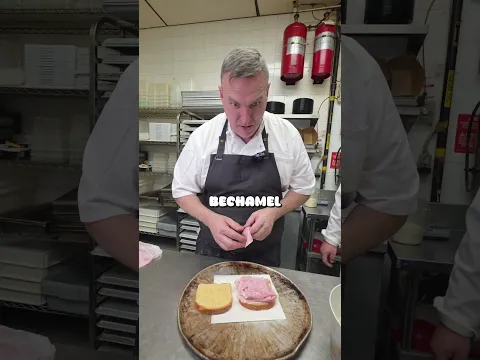
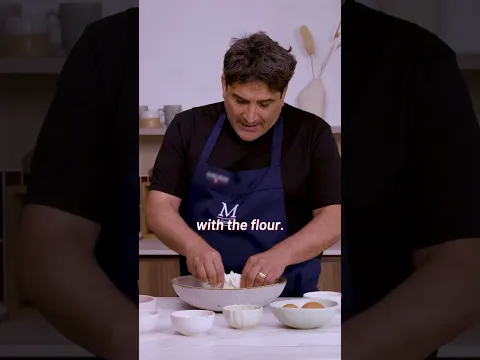
For a classic French roux used to thicken mother sauces like Béchamel or Velouté, use equal parts by weight of unsalted butter and plain flour. Cook the paste over medium-low heat. For a white roux, cook for 2 minutes; blond roux takes 5 minutes; brown roux requires 15 minutes of constant stirring until it smells nutty.

How do you clarify a traditional French consommé?

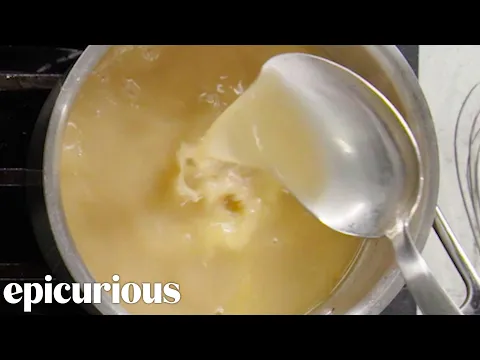
Whisk 3 egg whites per litre of cold, fat-free stock along with minced mirepoix and lean beef. Bring slowly to a simmer, stirring constantly. Once the raft forms at 82°C, stop stirring. Simmer gently for 45 to 60 minutes, then ladle carefully through a damp muslin cloth to yield a crystal-clear consommé.

Does the Escoffier brigade system still work in modern kitchens?

Yes, but adapted. Modern kitchens rarely run Escoffier's full 20-station brigade. Instead, they consolidate roles. The Saucier often handles fish, while the Entremetier manages both vegetables and soups. However, the hierarchical chain of command from Chef de Cuisine down to Commis remains essential for maintaining speed and service standards during service.

What is the difference between demi glace and jus?

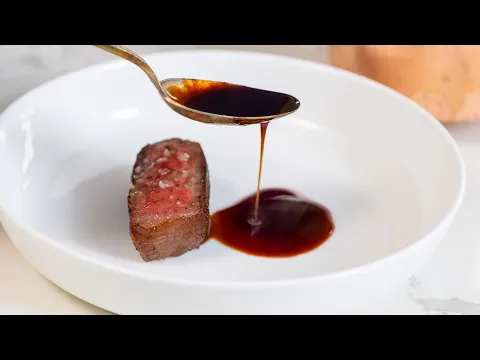
Classic demi-glace is a 1:1 mixture of Espagnole sauce and brown veal stock, reduced by half until sticky and rich. A jus is natural pan drippings deglazed with stock and reduced, without roux. Demi-glace relies on gelatin and flour starch for body, whereas modern jus uses reduction and gelatin alone for a lighter finish.

What temperature does hollandaise split and how do you fix it?

Hollandaise splits if heated above 65°C, scrambling the egg yolks, or if butter is added too fast. To rescue a split sauce, whisk one egg yolk with a tablespoon of warm water in a clean bowl, then slowly whisk the broken emulsion into it off the heat until it re-emulsifies. Maintain holding temperatures between 50°C and 55°C.

The library is just the prep work

Step off the pass. Join the network.

A free account on The Chef's Circle app gets you a professional portfolio, a way in with chefs and kitchens across our 1.6 million-strong following, and a cut of the ad revenue on the content you make.