Onyo Gravy-Sauce Good enough to rub all over your body! | Chef Jean-Pierre
15 August 2026 · 29:08 watch
Advertisement
Discover how to lift a simple onion gravy into a luxurious French-style sauce using Chef Jean-Pierre's triple-allium foundation of sweet onions, leeks, and shallots.
Key takeaways
- Combine sweet onions, leeks, and shallots to build a deeply complex, multi-layered allium base.
- Caramelise slowly over controlled heat to build a rich fond without introducing bitter, scorched notes.
- Balance the rich sweetness of the caramelised alliums using a combination of dry red wine and aged balsamic vinegar.
- Mount the finished reduction with cold butter to achieve a stable emulsion and a high-gloss finish.
In the professional kitchen, a standard onion gravy can often feel like an afterthought. However, Chef Jean-Pierre demonstrates how to lift this humble classic into a luxurious, French-style onion sauce through the deliberate layering of complex flavours. By utilising a triple-allium foundation—comprising sweet onions, leeks, and shallots—chefs can unlock a complex sweetness and depth that single-onion variations simply cannot match. This recipe focuses on precise caramelisationCaramelisationThe thermal breakdown of sugars that creates browned colour and complex sweet, toasted flavours. and acid balancing to create a highly versatile sauce suited for high-end mains and classic comfort dishes alike.\n\n## Mastering the Triple-Allium Base\nThe secret to this sauce's complexity lies in the combination of different alliums, each bringing a unique sugar and moisture profile to the pan. Sweet onions provide the foundational sugary base, shallots introduce a subtle, refined garlic-adjacent note, and leeks offer an earthy undertone. The critical technique here is slow caramelisation. Chefs must allow these alliums to slowly break down and brown without burning, a process that coaxes out natural sugars and builds a deep, amber colour. Rushing this stage leads to bitterness, so heat control and patience are essential to achieving the desired fondFondThe browned residue left in a pan after searing or roasting. at the bottom of your reduction pan.\n\n## Deglazing, Acid Balance, and Emulsion\nOnce the alliums have reached a deep caramel state, the deglazing phase begins. Chef Jean-Pierre employs a sophisticated dual-acid approach, combining dry red wine with a high-quality aged balsamic vinegar. The balsamic vinegar introduces a rich, complex acidity and syrupy sweetness that cuts through the heavy allium sugars. After reducing these liquids, the pan is built up with a robust beef stockStockA liquid made by simmering bones, meat, fish, vegetables or aromatics. and fresh herbs. The final, crucial step to achieving a glossy finish is mounting the sauce with cold butter (monter au beurre). This emulsifies the gravy, giving it a velvety texture and a brilliant sheen that holds up beautifully on the plate.\n\n## Service Versatility and Kitchen Economy\nFor busy commercial kitchens, this onion gravy is an invaluable prep-ahead asset. It freezes exceptionally well without splitting, meaning prep cooks can produce it in large batches during quiet prep shifts. Because of its balanced acidity and deep, savoury undertones, it is incredibly versatile. It serves as an excellent pairing for roasted meats like beef, pork, and lamb, whilst easily lifting simpler pub-style classics like mashed potatoes or sausages.
Questions from the pass
Frequently asked questions
Why should I use a mix of sweet onions, leeks, and shallots instead of just standard yellow onions?
Using a triple-allium blend introduces distinct layers of flavour that yellow onions alone cannot provide. Sweet onions offer a rich, sugary base, shallots add a delicate, garlic-like complexity, and leeks contribute a mild, earthy depth. Together, they create a much more sophisticated flavour profile.
What role does balsamic vinegar play in this French-style onion gravy?
Balsamic vinegar serves as a crucial acid corrector that balances the intense sweetness of the caramelised alliums. An aged balsamic vinegar adds a sweet yet tangy complexity and deepens the dark colour of the gravy, lifting it beyond a standard pub-style sauce.
How do I prevent the onion gravy from splitting when reheating or freezing?
To prevent splitting, ensure you properly emulsify the sauce when mounting it with cold butter at the end. When reheating from frozen or chilled, do so slowly over medium-low heat, stirring constantly, to preserve the emulsion without breaking the butter fat.
Can this beef-based onion gravy be adapted for vegetarian or vegan menus?
Yes, you can easily adapt this recipe by substituting the beef stock with a rich, roasted vegetable or mushroom stock. For a fully vegan version, replace the final butter finish with a high-quality plant-based butter alternative or a touch of olive oil to achieve the desired emulsion.
Main ingredients
Original video by Chef Jean-Pierre. This overview is written independently by The Chef's Circle editorial desk — watch the original on YouTube.
Keep reading
Related from the Community
 38:18
38:18These May Be the Most Delicious Potatoes in the World!
 1:04
1:04Pourquoi mes soupes manquent de profondeur
 17:04
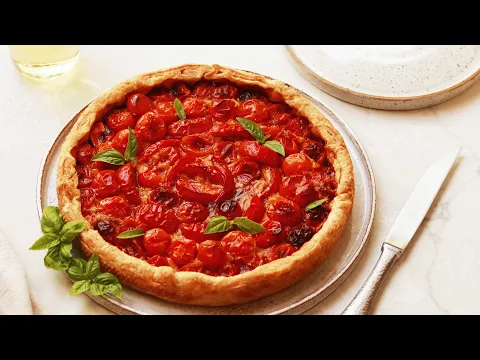
17:04Tomato Tart with Caramelized Onions and Gruyere (2.0)
 0:55
0:55The Easiest Way to Thicken Any Sauce
 0:41
0:41There are Only 5 Ingredients in This Choux Pastry
 59:48
59:48