Cuisine

British

Modern gastropub revival, heritage produce, and nose-to-tail cooking. Technical guides and inspiration for the modern British kitchen.

Modern British cooking is no longer defined by starch and heavy sauces. Today's kitchens are built on a commitment to local sourcing, low-waste ethics, and stripping back over-refined techniques in favour of pure flavour. At its core, the cuisine relies on mastering fundamental preservation and slow-cooking methods. Getting confit temperatures right or perfecting the crispness of fried chicken requires a firm grip on fat science and temperature control. The main pitfall here is overcomplicating the plate; modern British cooking succeeds when high-quality heritage produce is allowed to speak for itself.

This section brings together the techniques, ingredients, and chefs shaping contemporary British menus. You will find practical kitchen trials, from nailing the ultimate crunch on fried poultry to adapting traditional slow-cooked beef short rib into a spiced biryani. We also look at the operations of industry leaders like Fallow Restaurant, who continue to redefine how UK kitchens approach waste, provenance, and nose-to-tail cookery on a high-volume commercial scale.
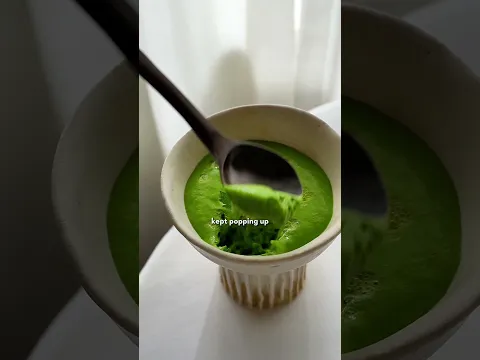
Shorts & reels

Quick hits from the pass

Sixty-second clips — one idea, one trick, no preamble.

Questions from the pass

British: frequently asked

How do you make traditional British faggots without they falling apart?

Use a ratio of 2:1 minced pork shoulder to pig's liver. Bind the mixture with fresh breadcrumbs, mace, sage, and egg. Wrap each 100g faggot tightly in caul fat, which holds the shape and bastes the meat. Bake in a rich onion gravy at 160°C for 45 minutes until the internal temperature reaches 75°C.

What is the best way to prep and roast beef bone marrow for service?

Soak femur bones in a 3% salt brine for 12 to 24 hours in the fridge to purge blood spots. Drain and dry thoroughly. Roast at 220°C for 15 to 20 minutes until the marrow is translucent and yielding but not melted. Serve immediately with sourdough, parsley salad, and coarse sea salt.

How do you get a runny yolk in a Scotch egg every time?

Boil soft-boiled British Blue eggs for exactly 5 minutes and 30 seconds, then shock immediately in ice water. Wrap each egg in a 75g layer of seasoned sausage meat. Coat in seasoned flour, beaten egg, and panko breadcrumbs. Deep-fry at 180°C for 6 minutes until the pork is cooked and the yolk remains liquid.

What is the correct ratio for a traditional British suet pastry?

Use a 2:1 ratio of self-raising flour to shredded beef suet by weight. Add ice-cold water gradually—roughly 40% of the flour's weight—until a firm dough forms. Avoid overworking to keep the fat cold. Steam puddings for 2 to 2.5 hours or bake steak and kidney pies at 180°C for 45 minutes.

How do you get the right consistency and colour for gastropub piccalilli?

Combine English mustard powder, turmeric, and ground ginger with malt vinegar, sugar, and cornflour to form a paste. Simmer until thickened. Toss in salted, drained heritage vegetables like cauliflower florets, silverskin onions, and cucumber. Cure for 24 hours before jarring. This yields a crisp, vibrant yellow pickle with a sharp, punchy finish.

The library is just the prep work

Step off the pass. Join the network.

A free account on The Chef's Circle app gets you a professional portfolio, a way in with chefs and kitchens across our 1.6 million-strong following, and a cut of the ad revenue on the content you make.