The Pasta Every Chef Eats at 2 AM
15 August 2026 · 7:20 watch
Advertisement
Discover the art of the late-night post-service pasta. Learn how professional chefs use basic chemistry to turn garlic, oil, and starchy pasta water into a perfect, glossy emulsion.
Key takeaways
- Control garlic browning by using moderate heat to draw out sweetness without introducing bitter notes.
- Emulsify the sauce naturally by combining starch-rich cooking water with olive oil under vigorous pan agitation.
- Pull the pasta just before al dente to allow it to finish cooking and absorbing flavours directly in the pan sauce.
- Keep a reserve of pasta cooking water at the stove to adjust sauce viscosity and rescue a split emulsion.
After a gruelling service, when the pass is wiped down and the kitchen falls silent, chefs rarely crave complex gastronomyGastronomyThe study and appreciation of food, cooking, culture and the dining experience.. Instead, they turn to the ultimate test of simplicity: the late-night pasta. Denis Prokopyev’s POV demonstration captures this post-service ritual in a professional Italian kitchen, focusing on the stark beauty of a minimal ingredient dish—classically built on garlic, chilli, and olive oil—where there is absolutely nowhere to hide.
For a professional, this video serves as a masterclass in elemental kitchen control. It strips away the noise of modern plating to focus entirely on the foundational mechanics of pasta cookery: heat regulation, starch extraction, and rapid pan emulsification.
The Art of the Instant Emulsion
The core technique demonstrated is the creation of a glossy, cohesive pan sauce without the aid of heavy dairy or commercial thickeners. The magic relies entirely on the mechanical binding of extra virgin olive oil and starchy pasta cooking water.
To achieve this, the pasta is pulled from the water just shy of al denteAl DenteItalian for "to the tooth"; describing pasta or vegetables cooked until tender but retaining a firm bite., transferring a generous amount of starch-heavy cooking water directly into the pan. Through vigorous tossing over high heat, the oil and water are forced into a stable emulsion. A common pitfall here is letting the pan run too dry, which causes the oil to separate and grease the pasta rather than coat it. Keeping a ladle of pasta water on standby is critical to adjusting the viscosity on the flyOn the FlyKitchen shorthand for a dish required immediately, ahead of its normal ticket position..
Precision Heat and Garlic Management
In a dish with so few components, ingredient preparation and temperature control dictate the final flavour profile. Slicing or bruising the garlic correctly determines how much allicin is released.
The video highlights the delicate window of temperingTemperingControlled heating and cooling of ingredients, particularly chocolate, to create the desired crystalline structure. garlic in warm olive oil. The heat must be kept moderate initially to coax out the aromatic sweetness without browning the garlic too quickly, which introduces an irreversible bitterness. Once the chilli is introduced and the garlic reaches a pale golden hue, the cooking process must be immediately arrested with the addition of pasta water, halting the frying and initiating the saucing phase. This rapid transition from frying to steaming is the defining threshold of a perfect late-night pasta.
Questions from the pass
Frequently asked questions
How do you prevent the garlic from burning in this style of pasta?
Prevent garlic from burning by starting it in cold or lukewarm oil over moderate heat. This gentle heating allows the sugars to caramelise slowly and infuses the oil deeply. If the garlic begins to brown too quickly, immediately arrest the cooking process by splashing a small ladle of pasta water into the pan.
Why is pasta cooking water so critical for the pan sauce?
Pasta cooking water contains released starches that act as a natural emulsifying agent to bind oil and water together. Without this starchy water, the olive oil would simply coat the pasta in a greasy film. Tossing the pasta vigorously with this water over high heat creates a creamy, unified sauce.
When should the pasta be transferred from the boiling water to the pan?
Transfer the pasta to the pan approximately two minutes before it reaches true al dente. This timing ensures the pasta finishes its cooking process directly in the sauce, allowing the wheat to absorb the infused oil and garlic flavours while releasing fresh starch directly into the pan emulsion.
Can you use extra virgin olive oil for frying the garlic?
Yes, extra virgin olive oil is preferred for this dish, but you must monitor the temperature carefully. Because extra virgin olive oil has a lower smoke point and delicate flavor compounds, keeping the flame low to moderate prevents the oil from breaking down and losing its characteristic grassy notes.
What is the best way to rescue a split pasta sauce?
Rescue a split pasta sauce by vigorously tossing the pan while adding a small splash of hot, starchy pasta water. The rapid agitation combined with the warm starch helps re-emulsify the fat. Ensure the pan is not too hot, as extreme heat can dry out the moisture and cause it to break again.
Original video by Denis Prokopyev. This overview is written independently by The Chef's Circle editorial desk — watch the original on YouTube.
Keep reading
Related from the Community
 54:10
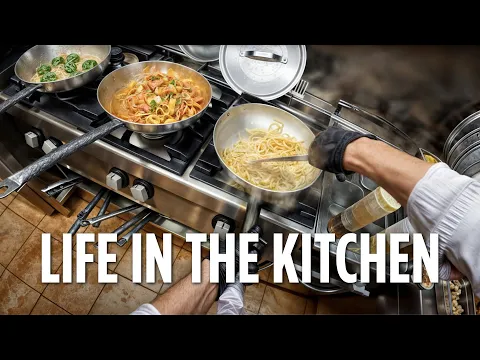
54:10POV: Head Chef at a Italian Restaurant
 10:40
10:40I Tried a MICHELIN STARRED PASTA Restaurant
 47:17
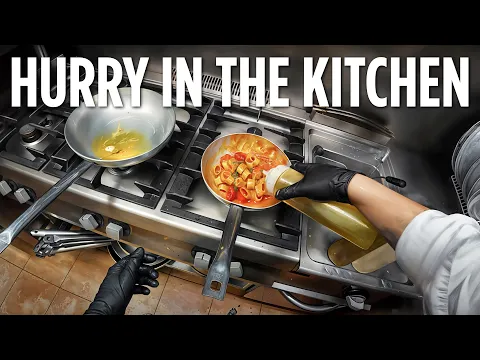
47:17POV: INSIDE A BUSY ITALIAN RESTAURANT DURING DINNER SERVICE
 16:40
16:40The RESTAURANT That Made HISTORY for Me (105-Year-Old Wine & The Best Pasta Dish Ever)
 2:59
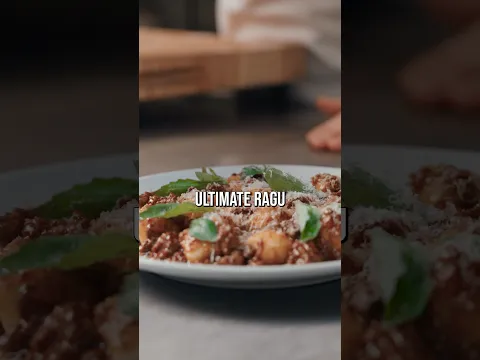
2:59The Best Ragu You’ll Ever Make
 19:42
19:42