The Best Creamy Mushroom Pasta Recipe | Chef Jean-Pierre
15 August 2026 · 15:59 watch
Advertisement
Learn how to master moisture extraction and emulsification to create the ultimate creamy mushroom pasta, featuring professional technique-driven advice from Chef Jean-Pierre.
Key takeaways
- Evaporate all natural water from the mushrooms to concentrate umami and avoid a slimy texture.
- Caramelise the mushrooms in fat after the water evaporates to build deep, meaty flavours.
- Deglaze the pan to incorporate the fond into the cream sauce for maximum depth.
- Toss the pasta directly in the reducing sauce to achieve a glossy, fully emulsified finish.
Mushrooms are often misunderstood in the commercial kitchen, frequently relegated to a slimy afterthought due to improper moisture management. In this masterclass, Chef Jean-Pierre demonstrates how to lift the humble mushroom into a luxurious, deeply savoury pasta dish that appeals even to those who claim to dislike the ingredient. The secret lies not in complex culinary wizardry, but in the rigorous application of heat control and evaporation.
Mastering Mushroom Moisture Control
The foundational technique of this dish is the complete extraction and evaporation of the water naturally held within mushrooms. Mushrooms are notoriously sponge-like, retaining a vast amount of water. Chef Jean-Pierre begins by meticulously preparing the mushrooms—using varieties like Portobello—to ensure uniform cooking. When introduced to the pan with garlic-infused olive oil, the mushrooms initially release their moisture.
A common amateur mistake is removing the mushrooms from the heat once they soften. To achieve deep caramelisationCaramelisationThe thermal breakdown of sugars that creates browned colour and complex sweet, toasted flavours. and concentrate the umamiUmamiThe savoury taste associated with compounds such as glutamate and certain nucleotides. compounds, you must cook them until all this liquid has evaporated. By allowing the pan to run dry and the mushrooms to brown in the remaining fat, you transform their texture from spongy to meaty and firm. This step is critical; it converts mushroom sceptics by eliminating the slimy texture associated with boiled or under-cooked fungi.
Building the Emulsified Cream Sauce
Once the mushrooms are beautifully caramelised, the focus shifts to building a cohesive, emulsified sauce. Adding cream directly to a hot pan requires careful temperature management to prevent splitting. By deglazing the pan and scraping up the fondFondThe browned residue left in a pan after searing or roasting.—the caramelised brown bits stuck to the bottom—you incorporate deep flavour throughout the sauce.
The cream must be simmered gently, allowing it to reduceReduceTo simmer a liquid so that water evaporates, concentrating flavour and increasing viscosity. and thicken naturally. Rather than relying on starch thickeners, this method uses reduction to coat the back of a spoon. When the cooked pasta is tossed directly into the sauce, the starch from the pasta helps bind the cream and fat together, creating a glossy, unified glazeGlazeA shiny coating applied to food to add flavour, colour, moisture or visual finish. that clings to every noodle rather than pooling at the bottom of the plate.
Questions from the pass
Frequently asked questions
Why do my mushrooms turn out slimy instead of firm and meaty?
Mushrooms contain a high percentage of water, which must be fully cooked out. If you do not let all the released moisture evaporate from the pan, the mushrooms will essentially boil in their own juices. Continue cooking until the pan runs dry and the mushrooms brown in the fat.
What is the benefit of using garlic olive oil over raw garlic?
Garlic-infused olive oil introduces a mellow, consistent garlic flavour throughout the dish without the risk of burning minced garlic. Raw garlic can easily scorch during the high-heat mushroom searing process, which introduces a bitter taste to the delicate cream sauce.
How do you prevent a cream-based pasta sauce from splitting?
To prevent splitting, reduce the cream gently over medium heat rather than boiling it rapidly. Incorporating the pasta directly into the pan allows the residual starch on the pasta to act as a natural binder, helping to emulsify the fat and cream into a smooth glaze.
Can I use different types of mushrooms for this recipe?
Yes, you can use a variety of mushrooms, such as Portobello, cremini, or button mushrooms. The key is to slice them uniformly so they cook at the same rate. Regardless of the variety, the cooking technique remains identical: extract the water and caramelise.
Original video by Chef Jean-Pierre. This overview is written independently by The Chef's Circle editorial desk — watch the original on YouTube.
Keep reading
Related from the Community
 5:28
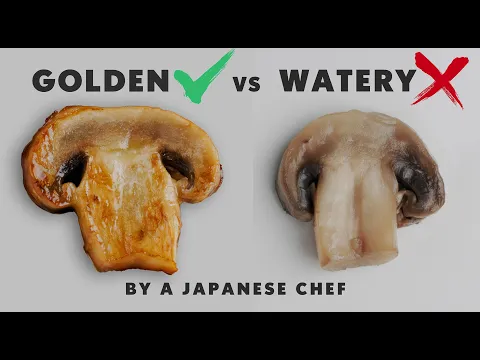
5:28Stop Adding Oil First—This Makes Mushrooms Golden Brown | Japanese Chef
 3:00
3:00Steak and egg on 1 steel pan
 47:23
47:23Jamie Oliver's Chicken Recipes & Ideas To Try This Weekend
 0:27
0:27How To Fry The Perfect Steak #howto #shorts
 13:46
13:469 astuces pour améliorer facilement tous vos plats dès maintenant
 1:38
1:38