How I’d Start Being a Chef in 2026 (If I Had to Start Over)
15 August 2026 · 5:52 watch
Advertisement
Curious about how to build a successful restaurant career in the modern era? The co-founders of London's acclaimed Fallow share an eight-step roadmap to transitioning from an entry-level cook to a successful restaurateur.
Key takeaways
- Prioritise foundational discipline and technical skills like precise knife work and heat control over chasing culinary trends early on.
- Seek out diverse staging opportunities to absorb different kitchen cultures, organisational systems, and service styles.
- Bridge the gap between culinary skill and business acumen by learning GP calculation, food waste management, and supplier relations.
- Understand the "why" behind cooking science and ratios to foster genuine creative independence later in your career.
Navigating the culinary industry in the modern era requires far more than just mastering knife skills or memorising classic French mother sauces. In this insightful guide, the team behind London’s acclaimed sustainable restaurant Fallow outlines a strategic, eight-step roadmap for anyone starting their chef journey today with an eye toward 2026 and beyond. Drawing from their own transition from teenage kitchen hands to multi-site restaurateurs, they offer invaluable perspective on avoiding common industry pitfalls while accelerating professional growth.
Laying the Foundations in the Modern Kitchen
The early stages of a culinary career must focus on building rigorous technical competence and discipline. A chef starting out today should prioritise environments that teach fundamental kitchen mechanics—understanding ingredient yields, mastering heat control, and developing swift, precise knife work. Rather than chasing trends or immediate prestige, the focus must be on finding mentors who instil clean working habits and a deep respect for produce.
Crucially, the modern chef must treat every shift as an active learning laboratory. This means understanding the "why" behind kitchen processes rather than just blindly following recipes. For instance, mastering ratios in pastry or understanding the science of emulsification provides a foundation that allows for future creativity. The roadmap highlights the importance of staging in diverse environments early on to absorb different kitchen cultures, prep systems, and service tempos before committing to a specific culinary style.
Balancing Culinary Craft with Business Acumen
As a chef progresses through the ranks from commis to chef de partie and beyond, the skillset must expand beyond the pass. The video emphasises that a modern chef cannot afford to ignore the business of food. To eventually run or own restaurants, one must master kitchen financial literacy. This includes managing food waste, calculating accurate GP (gross profit) margins, understanding labour costs, and learning how to negotiate with suppliers.
By integrating financial discipline with culinary excellence early in your career, you prepare yourself for leadership. The ultimate goal for many is creative autonomy, but the Fallow founders remind us that creative freedom is bought with operational excellence. Transitioning from the stove to business ownership requires a shift in mindset from cook to manager, making mentorship in leadership and communication just as vital as refining your palate.
Questions from the pass
Frequently asked questions
What is the most critical skill for a junior chef to focus on in their first year?
A junior chef must focus on mastering fundamental kitchen mechanics, disciplined knife work, and ingredient organisation. Prioritising these basics over complex plating builds the speed and accuracy necessary for high-pressure service. Understanding the fundamental "why" behind everyday techniques forms a solid baseline for all future culinary progression.
How can a line chef start learning the business side of running a kitchen?
Line chefs can start by studying food waste management, portion control, and ingredient yields on their section. Engaging with the head chef to understand GP margins, ordering processes, and stock-taking procedures will build the essential financial literacy required for senior leadership roles and future restaurant ownership.
Why is staging in different restaurants beneficial early in a chef's career?
Staging exposes young chefs to various kitchen environments, operational structures, and culinary philosophies before they commit to a specific style. This diversity of experience highlights different ways to organise service, manage teams, and handle prep, preventing a chef from becoming limited by a single kitchen's methodology.
When is the right time to transition from a commis chef to a chef de partie?
The transition should occur once you have fully mastered your current section's prep and service under pressure without supervision. It requires demonstrating consistent technical skill, reliable time management, and the ability to assist junior team members, indicating you are ready for greater operational responsibility.
Original video by Fallow Restaurant. This overview is written independently by The Chef's Circle editorial desk — watch the original on YouTube.
Keep reading
Related from the Community
 1:16
1:16How a Sushi Master Makes Sushi
 0:38
0:38Stop Crying When Cutting Onions: Genius Kitchen Hack! #chefdez #cooking #cuttingonions #onions
 1:25
1:25Fine dining starts with the right tools 🔪#ICECulinary #FineDining #ChefTools #CulinarySchool #Chef
 1:39
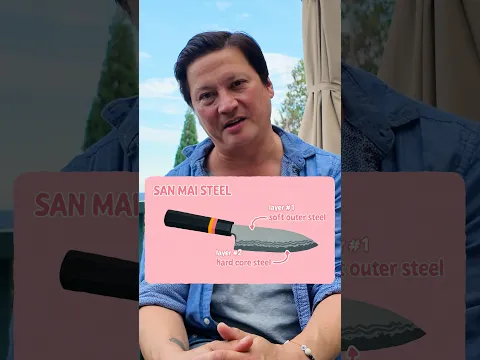
1:39San Mai Steel: Why It Works for Kitchen Knives
 3:01
3:01Here’s what really happens when you hone a knife
 0:50
0:50