Guava + doughnut = 🤤
31 August 2026 · 0:22 watch
Advertisement
Learn how to balance the vibrant, tropical acidity of guava with rich whipped cream cheese in a classic yeast doughnut format.
Key takeaways
- Pair high-acid tropical fruits like guava with whipped dairy to cut through fat and cleanse the palate.
- Apply glaze to slightly warm doughnuts to ensure an even, glossy coat that sets without dripping off.
- Cool yeast doughnuts completely before filling to prevent whipped cream cheese from melting and splitting.
- Incorporate air into the cream cheese filling to lighten the texture and balance the density of the fruit jam.
The humble yeastYeastA microorganism used to ferment sugars and produce carbon dioxide, particularly in bread-making. doughnut is a versatile canvas for bold flavour profiles, but achieving a perfect balance between sweet, fat, and acid requires careful calibration. In this profile of a signature creation from Dun-Well Doughnuts, showcased by Food Network, we examine the combination of tropical guava and rich cream cheese. This classic pairing, rooted in Latin American pastry traditions, is translated here into a modern, textured doughnut that balances sweetness with a sharp, fruity finish.
Balancing Tropical Acidity and Rich Dairy
At the heart of this dish is the interplay between the sharp, sweet notes of guava and the lactic tang of cream cheese. Rather than relying on a single sweet component, the execution uses two distinct expressions of the fruit: a smooth guava glazeGlazeA shiny coating applied to food to add flavour, colour, moisture or visual finish. and a concentrated guava jam. The glaze coats the exterior of the doughnut, offering an immediate hit of fruit flavour and a glossy visual appeal.
To prevent the sugar from overwhelming the palate, the interior is filled with whipped cream cheese. Whipping the cheese incorporates air, lightening the density of the fat and allowing it to melt quickly on the tongue. This airy texture contrasts with the dense, sticky guava jam, which is piped alongside or within the cream cheese. The natural acidity of the guava cuts directly through the dairy fat, cleansing the palate and preparing it for the next bite.
Doughnut Texture and Structural Integrity
A successful filled doughnut relies on a highly developed yeastYeastA microorganism used to ferment sugars and produce carbon dioxide, particularly in bread-making. dough that yields a light, airy crumb with enough structure to hold wet fillings without becoming soggy. While specific dough recipes and proving times vary, the goal is always to achieve a resilient crumb structure through proper gluten development and controlled fermentationFermentationA biological process in which microorganisms transform sugars and other compounds, creating acidity, gas, alcohol or complex flavours..
When working with wet fillings like fruit jam and whipped cream cheese, timing and temperature are critical. The doughnuts must be cooled completely after frying before any filling is introduced. Filling a warm doughnut melts the whipped cream cheese, causing it to split and weep, which degrades the structure of the dough. The glazeGlazeA shiny coating applied to food to add flavour, colour, moisture or visual finish. should be applied when the doughnut is just warm enough to allow the glaze to set smoothly, but cool enough not to run off.
Questions from the pass
Frequently asked questions
Why use both guava jam and a guava glaze?
Utilising both elements provides contrast in texture and intensity of flavour. The glaze offers an immediate sweet and fragrant coating on the exterior, while the concentrated jam inside delivers a sharp, punchy burst of acidity that cuts through the rich cream cheese filling.
How do you prevent whipped cream cheese from splitting in filled pastries?
Ensure the cream cheese is whipped at a cool room temperature and not over-worked. If the cheese is too cold, it will not incorporate air smoothly; if it is too warm, the emulsion will break, leading to a grainy texture and structural collapse inside the doughnut.
Why must yeast doughnuts be fully cooled before filling?
Warm doughnuts will melt the whipped cream cheese filling, causing it to liquefy and soak into the crumb. This ruins both the light texture of the filling and the airy structure of the doughnut, making the pastry dense and soggy.
How can chefs adapt this flavour profile for other menu items?
This tropical fruit and tangy dairy pairing translates exceptionally well to Danish pastries, tarts, and mille-feuille. Chefs can use a guava gel alongside a whipped mascarpone or cream cheese mousse to replicate the clean acidity and rich mouthfeel in more formal plated desserts.
Main ingredients
Original video by Food Network. This overview is written independently by The Chef's Circle editorial desk — watch the original on YouTube.
Keep reading
Related from the Community
 0:46
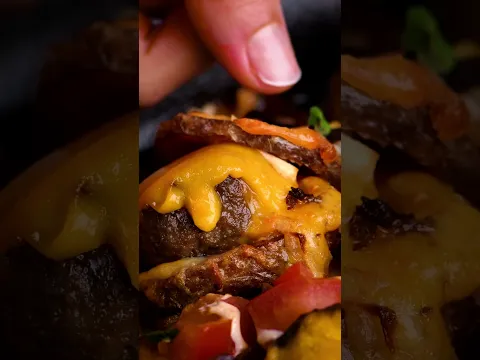
0:46Get a load of these cheeseburger fries 🍔🍟
 0:53
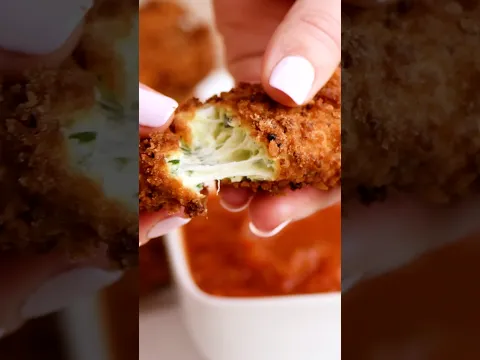
0:53The crunchy and cheesy goodness of a mozzarella stick combined with spinach artichoke dip 🧀✨
 0:38
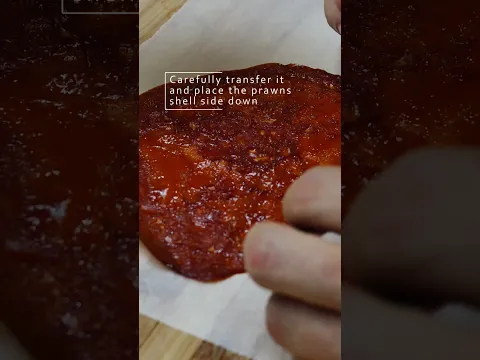
0:38Edible Fossil Chips Made From Prawn and Duck
 1:20
1:20Why Gregory Gourdet loves the Biryani at NYC's Dhamaka #nyc #eater
 0:18
0:18curry rice is easily my go-to choice for lunch!!🍛 #singapore #sgfoodie #hawkerfood #affordable
 9:00
9:00