Technique

Deep Frying

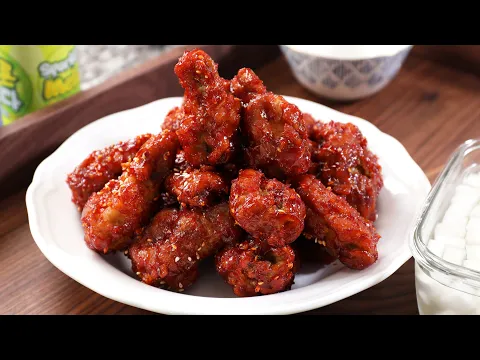
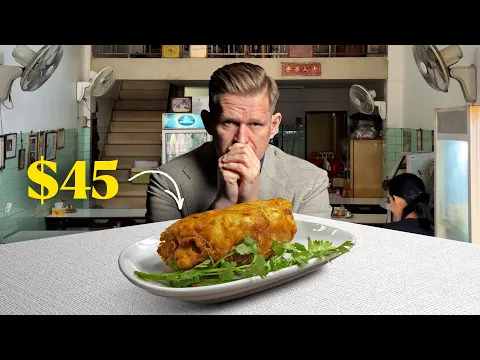
Deep frying done properly: oil temperature control, coating choice, moisture management and drainage. Crisp is a process, not luck.

Deep frying done properly: oil temperature control, coating choice, moisture management and drainage. Crisp is a process, not luck.

Shorts & reels

Quick hits from the pass

Sixty-second clips — one idea, one trick, no preamble.

Questions from the pass

Deep Frying: frequently asked

Why does beer batter go soggy after frying?

Moisture is the enemy. Standard fish batter needs a 1:1 ratio of flour to liquid (like cold lager). If the oil drops below 180°C, the batter absorbs fat instead of vaporising water. Ensure the fish is thoroughly dried with paper towels and dusted with cornflour before dipping to lock in moisture.

What temperature should you double fry chips?

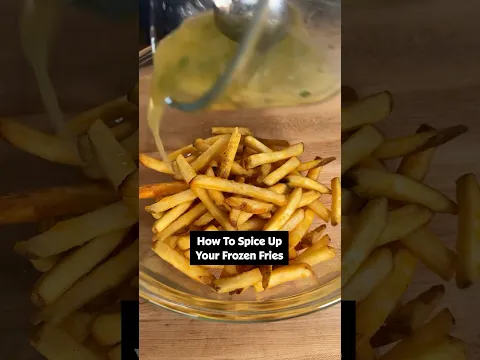
Double-frying is essential for proper chips. Blanch them first at 130°C for 7-8 minutes until cooked through but uncoloured. Drain and cool completely. For the final crisping step, fry them at 190°C for 3-4 minutes. This rapid second fry gelatinises the surface starches, creating a rigid, golden crust.
Why does batter stick to the bottom of the deep fryer?

This happens when food is dropped in too quickly or the oil is too cold. Wet batters, like tempura, must be lowered gently using the "swimming" method: hold the battered item with tongs in the 180°C oil for 3 seconds to set the outer crust before releasing. Never drop items directly onto the wire basket.

How do you keep deep fried food crispy before serving?

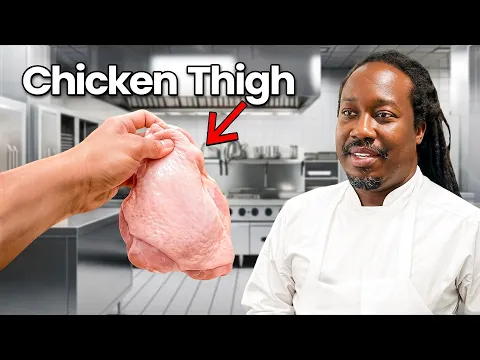
Never stack fried items or place them on flat metal trays, which traps steam and softens the crust. Drain food immediately over the fryer, then transfer it to a wire rack set over a sheet pan in a holding cupboard at 65°C. This allows air to circulate, maintaining the crisp texture of items like chicken thighs.

Why is my fried chicken burnt on the outside but raw inside?

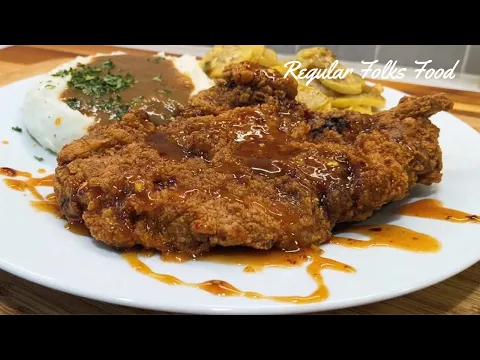
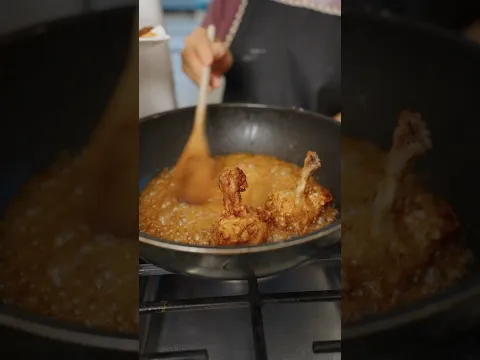
Your oil is too hot, causing the exterior coating to burn before heat penetrates the core. For bone-in chicken thighs, maintain a constant oil temperature of 160°C. Fry for 12 to 15 minutes. If using a thicker coating, par-cook the chicken sous-vide first, then flash-fry at 180°C for 3 minutes for the crisp finish.

The library is just the prep work

Step off the pass. Join the network.

A free account on The Chef's Circle app gets you a professional portfolio, a way in with chefs and kitchens across our 1.6 million-strong following, and a cut of the ad revenue on the content you make.