Simple Recipes Cooked In One Pan (or Tin) Jamie Oliver
22 September 2026 · 41:55 watch
Advertisement
Discover how to adapt Jamie Oliver's single-pan and traybake principles for professional kitchens, focusing on heat management, ingredient staging, and operational efficiency.
Key takeaways
- Layer ingredients strategically, placing high-moisture items at the base and proteins on top to balance steaming and browning.
- Implement staged addition times to prevent delicate vegetables or seafood from overcooking.
- Utilise single-vessel prep to reduce pan transfers and lower kitchen porter labour during busy services.
- Standardise portion layouts in individual tins to guarantee consistent thermal performance and cooking times.
Mastering the Single-Vessel Strategy
While domestic cooks champion one-pan meals for sheer convenience, professional kitchens can extract serious operational value from the same philosophy. Jamie Oliver’s focus on single-pan and single-tin cookery highlights a fundamental culinary challenge: synchronising diverse ingredients within a single thermal environment. For a commercial kitchen, translating this method means reducing warewashing overheads, streamlining section prep, and ensuring consistent moisture transfer between proteins and starches during a high-tempo service.
The core technique relies on understanding thermal conductivity and ingredient moisture content. Unlike modular cooking—where components are prepared separately and assembled on the plate—single-vessel cooking requires meticulous layering. Harder root vegetables and grains must either be pre-treated, cut to precise dimensions to match the cooking curve of your protein, or placed strategically to absorb rendering fats without collapsing into mush.
Optimising Heat and Surface Area
To execute high-standard dishes in a single pan or roasting tin, chefs must manage the transition of dry and wet heat. Wet ingredients, such as tomatoes, stocks, or aromaticsAromaticsIngredients such as onions, garlic, celery, herbs and spices used to build flavour in a dish., should generally sit at the base to create a humid cooking environment. Meanwhile, proteins are positioned uppermost to catch direct heat, encouraging Maillard browning and skin crisping.
Timing remains the primary pitfall in this style of cooking. If delicate elements, such as tender green vegetables, soft herbs, or seafood, are introduced at the start, they overcook and lose structural integrity. Chefs need to establish clear staging protocols: hard-searing proteins first to build a fondFondThe browned residue left in a pan after searing or roasting., deglazing the pan, laying down the foundation elements, and introducing quick-cooking garnishes only in the final minutes of the roast or braiseBraiseTo brown food and then cook it slowly in a small quantity of liquid, usually covered..
Operational Benefits on the Pass
Implementing structured one-pan or one-tin dishes offers distinct advantages for casual dining, pub kitchens, and high-volume banqueting. It allows for highly predictable portioning and rapid assembly during service. By prepping components into individual cast-iron pans or tins ahead of time, a line cook can fire dishes directly from the chill drawer to the oven, bypassing multiple pan transfers and keeping the kitchen footprint remarkably tight.
Questions from the pass
Frequently asked questions
How do you prevent proteins from drying out in a single-pan dish?
Position proteins on top of wet ingredients to create a self-basting environment inside the oven. The moisture evaporating from the vegetables or grains below keeps the cooking air humid, while the direct dry heat from above crisps the exterior of the meat or fish.
What is the best way to handle different ingredient cooking times in one pan?
Use a staged addition method rather than cooking everything for the same duration. Start with hard root vegetables and heavy proteins, then add delicate greens, seafood, or soft herbs during the final minutes of the process to ensure nothing becomes mushy.
Can one-pan techniques be adapted for high-volume banquet service?
Yes, assembling individual portions in separate roasting tins or cast-iron dishes ahead of time allows for rapid firing. This setup reduces the need for plating stations during service, as the cooking vessels can transition directly from oven to table.
How do you choose the right pan or tin for this style of cooking?
Select heavy-gauge cast iron or thick-bottomed stainless steel to ensure even heat distribution and prevent scorching. Ensure the vessel is shallow enough to allow hot air circulation for proper browning, yet deep enough to safely contain rendering juices.
Original video by Jamie Oliver. This overview is written independently by The Chef's Circle editorial desk — watch the original on YouTube.
Keep reading
Related from the Community
 8:02
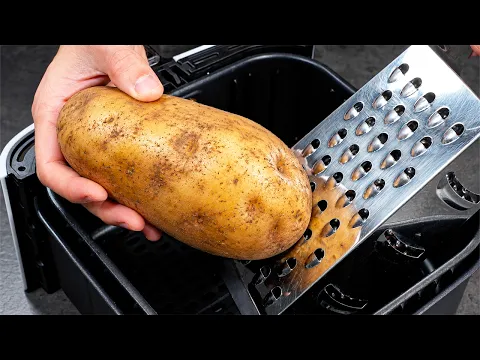
8:02I Made Potato Schnitzel in the Air Fryer… and It's Tastier Than Meat!
 0:38
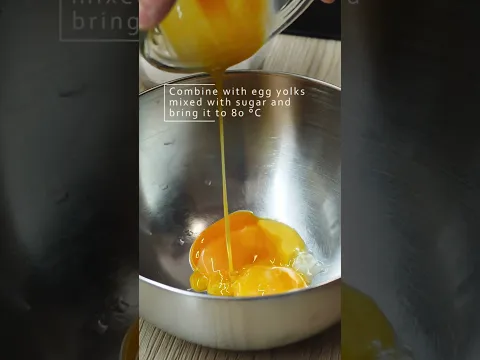
0:38You've Never Had Gingerbread This Way
 0:30
0:30Ground Turkey Skillet with White Beans | Easy Mediterranean Dinner #easydinnerideas
 5:09
5:09"SMEUS' with ROYAL BELGIAN CAVIAR at 2 Michelin star SIR KWINTEN by Chef Glenn Verhasselt
 8:40
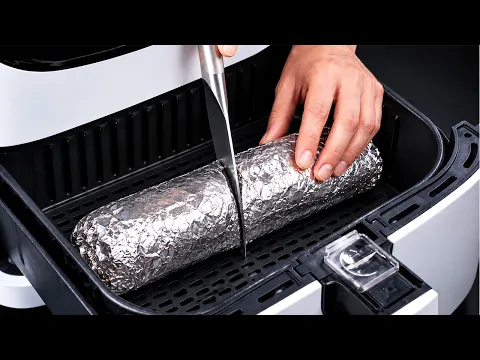
8:40Stop Frying Potatoes in Oil! This Air Fryer Dinner Is The Easiest Ever!
 0:23
0:23