Cuisine

Modern European

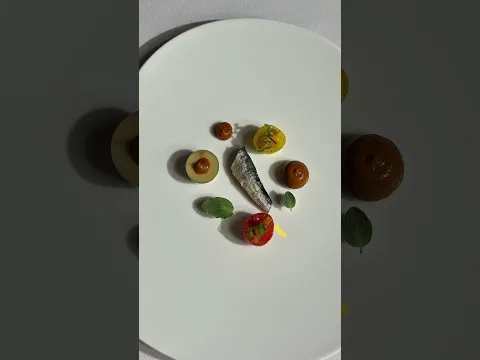
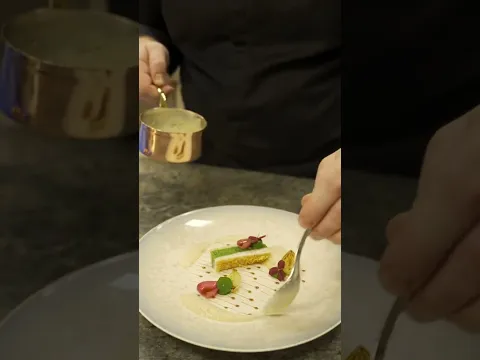
Modern European plates: classical French bones with lighter sauces, sharper acidity and seasonal produce leading the dish. Refined without the heaviness.

Modern European plates: classical French bones with lighter sauces, sharper acidity and seasonal produce leading the dish. Refined without the heaviness.

Shorts & reels

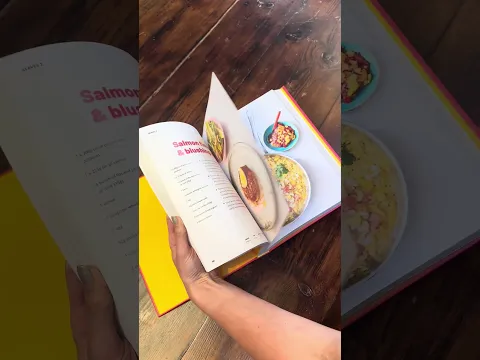
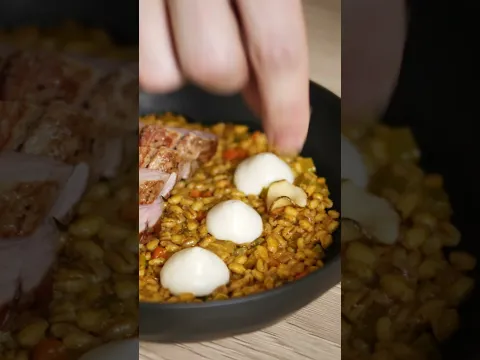
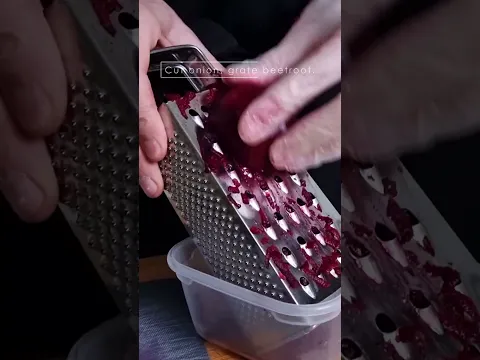
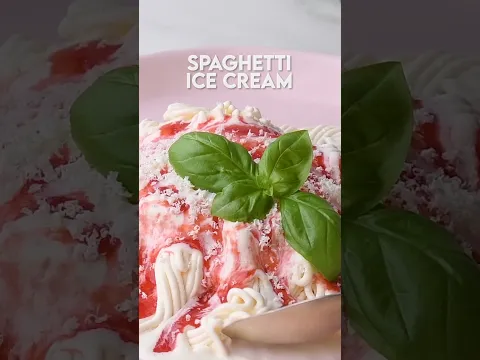
Quick hits from the pass

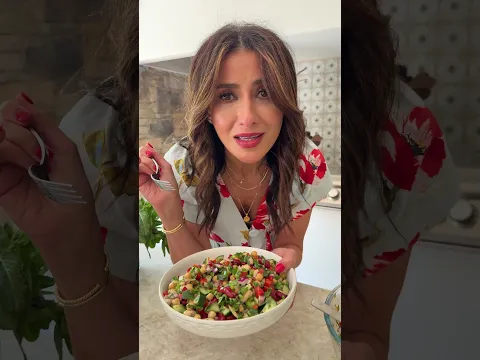
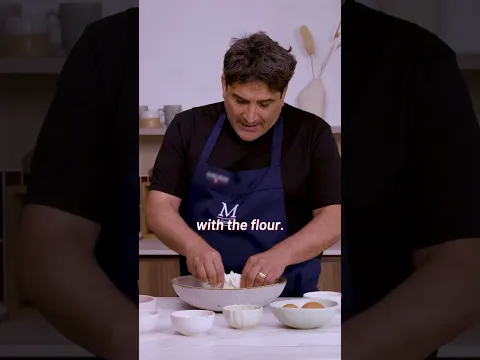
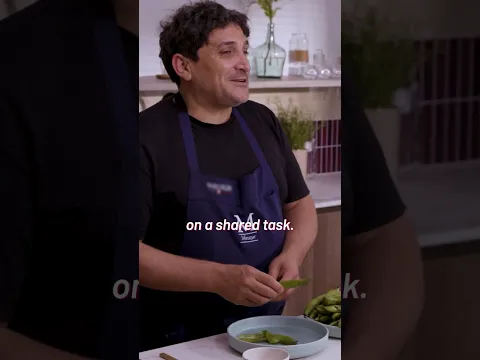
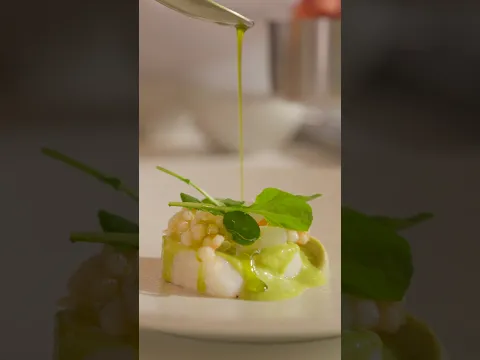
Sixty-second clips — one idea, one trick, no preamble.

Questions from the pass

Modern European: frequently asked

What is the difference between classical French and Modern European cuisine?

Modern European keeps classical French techniques—like precise butchery and emulsion sauces—but drops heavy flour-based roux and excessive butter. It swaps heavy demi-glace for light reductions, verjuice, or fruit vinegars. A classic duck breast is served with a sharp plum reduction and charred chicory rather than a rich, sweet cherry gastrique.

How do you thicken Modern European sauces without flour?

Emulsify sauces using cold butter cubes at the very end, or use vegetable purées, agar-agar, and xanthan gum at 0.1% to 0.2% weight ratios. For example, a light chicken jus can be brightened with sea buckthorn juice and stabilized with a touch of soy lecithin, maintaining a glossy finish without coating the palate heavily.

What acid sources are used in Modern European cooking?

Modern European dishes rely on diverse acids to cut through fats. Chefs use fermented ingredients like lacto-fermented wild plums, verjuice, sea buckthorn, and infused vinegars like tarragon or chardonnay. Instead of lemon juice, a raw scallop dish might be dressed with elderflower vinegar and cold-pressed British rapeseed oil.

How does seasonal produce dictate a Modern European menu?

The vegetable is the focal point, not just a garnish. In spring, British asparagus is blanched for 90 seconds, charred, and served with a light wild garlic emulsion and cured egg yolk. The protein, such as hogget or trout, is portioned smaller to allow the fresh, local produce to define the plate's structure.

How do you modernize a classic French stock?

Reduce cooking times to keep flavours bright. A traditional veal brown stock simmering for 12 hours is replaced by a pressure-cooked white chicken or veal stock cooked at 120°C for two hours. Infuse this light base with fresh herbs, lemon verbena, or kombu at the end to create a clean, aromatic broth.

The library is just the prep work

Step off the pass. Join the network.

A free account on The Chef's Circle app gets you a professional portfolio, a way in with chefs and kitchens across our 1.6 million-strong following, and a cut of the ad revenue on the content you make.