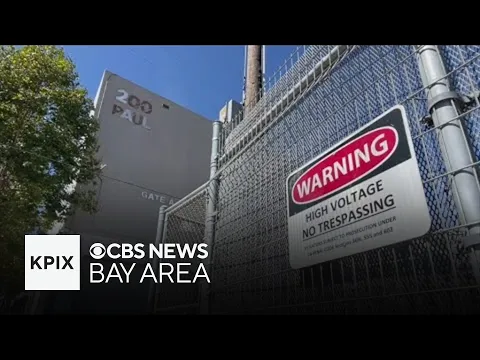
9/11, 25 years later: Los Gatos holds community remembrance event for victims
13 September 2026 · 3:46 watch
Advertisement
A look at the logistical and front-of-house principles required to manage service and crowd flow during sensitive civic and community events.
Key takeaways
- Managing high-stakes community gatherings requires seamless coordination between front-of-house staff and local event organisers.
- Operational timelines must be strictly synchronised with event programmes to avoid disruptive service during silent moments or speeches.
- Quiet, low-profile service techniques are essential for maintaining the appropriate atmosphere during solemn civic events.
- Scatter station layouts prevent bottlenecks and support smooth crowd control during large-scale public commemorations.
Community Gatherings and Hospitality
When a community comes together to mark significant historical milestones, such as a twenty-five-year remembrance event, the role of local hospitality operations becomes central to the civic fabric. While this news report focuses on the memorial event in Los Gatos, chefs and restaurateurs can draw critical insights into how front-of-house teams and kitchen brigade systems support public gatherings. Managing the flow of people, maintaining quiet dignity in service, and organising large-scale community events require a highly structured approach to kitchen organisation and front-of-house communication. Chefs and managers must collaborate to design systems that respect the occasion while delivering flawless execution.
Front-of-House Coordination for Civic Events
Large public gatherings demand a different operational tempo than standard restaurant service. Front-of-house teams must coordinate closely with local organisers, municipal authorities, and community leaders weeks before the event occurs. Key lessons for hospitality operators hosting or catering these events include establishing clear lines of communication, setting up stations that allow for seamless crowd movement, and maintaining a respectful, low-profile service style. The focus must remain entirely on the event's purpose, requiring staff to exhibit high emotional intelligence and adaptability on the floor. Service should be subtle, with staff anticipating needs without drawing attention to themselves or disrupting the solemnity of the proceedings.
Operational Preparation and Crowd Logistics
Catering or providing hospitality support for community remembrance events requires meticulous planning. Teams must map out the event space to prevent bottlenecks, ensure that dietary accommodations are planned well in advance, and establish clear timelines for setup and breakdown. Unlike standard banquet service, the timing of food and beverage delivery must be precisely synced with speeches, silence periods, and presentations. Pitfalls to avoid include noisy setup or cleanup during formal proceedings, inadequate signage for guests, and understaffing key high-traffic service areas. Success depends on the team's ability to remain invisible yet highly efficient, ensuring the community feels supported throughout.
Questions from the pass
Frequently asked questions
How do hospitality teams manage noise levels during solemn community events?
Hospitality teams manage noise levels by scheduling all heavy setup and breakdown tasks outside of formal proceedings. Service staff should use quiet service techniques, avoid clearing glassware during speeches, and use silent hand signals to communicate. This ensures the focus remains entirely on the event's commemorative purpose.
What is the best way to structure food service for a public memorial gathering?
The best way to structure service is through scattered, self-contained beverage and light bite stations rather than a centralised buffet. This prevents long queues, maintains a respectful flow of movement, and allows guests to move freely. Staff should monitor and replenish stations discreetly throughout the event.
How should front-of-house staff handle guest interactions at sensitive civic events?
Staff should be briefed to maintain a polite, reserved, and highly professional demeanour. Training should focus on active listening and low-profile service, ensuring that staff do not disrupt the atmosphere. Emotional intelligence and a calm presence are far more important here than traditional suggestive selling or lively table banter.
What logistical planning is required for catering outdoor community events?
Outdoor community events require a thorough site survey to identify power sources, water access, and waste disposal zones. Planners must also account for weather contingencies, secure necessary permits, and establish a clear perimeter for service areas. Coordination with local logistics coordinators is essential to ensure smooth delivery and breakdown.
Original video by KPIX | CBS NEWS BAY AREA. This overview is written independently by The Chef's Circle editorial desk — watch the original on YouTube.
Keep reading
Related from the Community
 1:53
1:53Wednesday morning First Alert Weather forecast 9/16/26
 62:11
62:11CBS News Bay Area 8am (9-16-2026)
 32:50
32:50The Largest Buffet In America Serves 10,000+ People A Day
 17:46
17:46I Don’t Know Where This Is Going
 3:33
3:33Watch: Scene of double fatal crash in Brentwood
 4:30
4:30