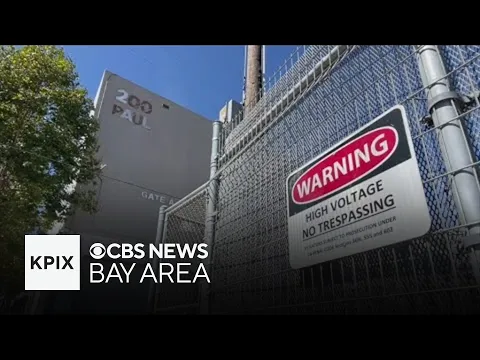
California bill on HOA reserves could limit surprise assessments, increase HOA fees
24 September 2026 · 2:57 watch
Advertisement
A breakdown of California's HOA reserve legislation and what its financial principles teach chefs and culinary business owners about managing cash flow and avoiding surprise overhead costs.
Key takeaways
- Implement a structured, incremental maintenance fund rather than relying on emergency capital for equipment failures.
- Factor rising HOA and property management fees into the fixed overhead calculations of your culinary business plan.
- Review property reserve studies when operating from mixed-use or residential-commercial hybrid spaces.
- Prioritise predictable, monthly operational costs over volatile, sudden emergency assessments to maintain stable cash flow.
Financial Reserves: Lessons from Property Legislation
Running a professional kitchen demands rigorous financial control, but the physical space where you cook or live can introduce unpredictable overheads. A recent legislative shift in California concerning Homeowners Association (HOA) reserves highlights a critical lesson for chefs and culinary business owners: the necessity of structured financial planning and reserve funds. The bill aims to limit surprise assessments by increasing regular HOA fees, shifting property management from reactive emergency billing to proactive, incremental budgeting.
For chefs managing independent catering operations out of mixed-use properties, or those looking to secure physical locations, this structural shift illustrates the importance of building capital reserves. Rather than facing sudden, steep assessments that can disrupt cash flow and halt kitchen operations, a predictable, higher monthly fee allows for smoother cash flow forecasting. This legislative update serves as a model for how culinary operators should structure their maintenance budgets for heavy kitchen equipment, grease traps, and ventilation systems.
Safeguarding Your Kitchen Against Unexpected Costs
In any commercial culinary operation, unexpected equipment failures—like a walk-in freezer compressor failing during peak seasonSeasonTo add salt, acidity, herbs, spices or other flavouring to balance and enhance a dish.—mirror the surprise assessments faced by property owners. The California bill addresses the risk of underfunded reserves by forcing associations to plan ahead. For culinary business owners, the lesson is clear: relying on emergency loans or sudden out-of-pocket cash to fix infrastructure is a high-risk strategy.
Instead, adopting a system of regular, incremental contributions to a maintenance fund ensures that when repairs are required, the capital is already secured. This approach stabilises your food-to-labour cost ratios and prevents sudden price hikes on your menus, which can alienate regulars.
Navigating Mixed-Use Regulations
Many modern chefs operate within residential-commercial hybrids or run boutique culinary consultancies from home bases subject to HOA rules. Understanding how reserve funding affects your monthly operating costs is vital when drafting your business plan. Increased HOA fees mean higher fixed overheads, which directly impacts your break-even point. Chefs must carefully review property disclosures, reserve studies, and local bills to avoid finding themselves locked into properties with escalating fees that squeeze thin margins.
Questions from the pass
Frequently asked questions
How does a California HOA reserve bill affect a chef operating a home-based catering business?
This legislation directly impacts your fixed overhead costs by increasing regular monthly HOA fees to build up reserves. While it reduces the risk of massive, sudden assessments, the higher recurring fees must be integrated into your business's break-even analysis to ensure your menu pricing remains profitable.
Why should a culinary business owner maintain a structured reserve fund?
Maintaining a structured reserve fund prevents sudden financial crises when critical kitchen infrastructure fails. By setting aside a fixed percentage of monthly revenue for maintenance, you avoid having to pull emergency cash from your food budget or labour payroll to replace vital equipment.
What are the risks of operating in a property with underfunded reserves?
Operating in an underfunded property exposes your business to unexpected, high-value assessments for building repairs. If the property management needs to repair a shared roof or plumbing system suddenly, you could face a steep bill that disrupts your kitchen's cash flow and operational stability.
How should chefs budget for rising property and HOA fees?
Chefs should treat rising fees as a fixed, non-negotiable operational cost. Review your lease or property agreement annually, adjust your menu margins to absorb incremental fee increases, and ensure your pricing strategy reflects the true cost of occupying your physical preparation space.
Original video by KPIX | CBS NEWS BAY AREA. This overview is written independently by The Chef's Circle editorial desk — watch the original on YouTube.
Keep reading
Related from the Community
 1:53
1:53Wednesday morning First Alert Weather forecast 9/16/26
 62:11
62:11CBS News Bay Area 8am (9-16-2026)
 32:50
32:50The Largest Buffet In America Serves 10,000+ People A Day
 17:46
17:46I Don’t Know Where This Is Going
 3:33
3:33Watch: Scene of double fatal crash in Brentwood
 4:30
4:30