Crews start clearing Berkeley homeless encampment as appeals continue
16 September 2026 · 3:16 watch
Advertisement
A professional look at how municipal actions and urban developments, such as the Harrison Street encampment clearance in Berkeley, impact local restaurant operations, logistics, and staff safety.
Key takeaways
- Monitor local municipal actions to anticipate disruptions to supplier delivery routes and timing.
- Review and reinforce evening security protocols for back-of-house staff leaving after late shifts.
- Establish clear contingency plans for front-of-house access and outdoor dining spaces during street clearances.
- Maintain professional, empathetic community relations while prioritizing the safety of your kitchen team.
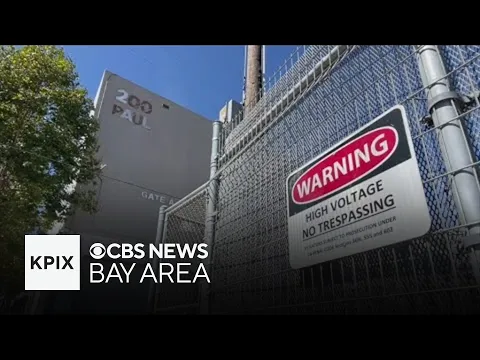
Running a successful kitchen goes far beyond what happens on the line. As professional chefs and operators, our establishments are deeply embedded in the fabric of our local communities, meaning external municipal developments directly impact our daily service. This report from KPIX News covers the clearance of a long-standing encampment on Harrison Street in Berkeley, California. For chefs operating in urban environments, understanding these municipal shifts is essential for managing logistics, ensuring staff safety, and maintaining consistent supply chain deliveries.
Adapting to Municipal and Street-Level Shifts
When local councils or city crews execute clearing operations, the immediate surrounding area often experiences sudden changes in foot traffic, road access, and physical security. For a kitchen manager, this requires a swift adaptation of front-of-house procedures and back-of-house deliveries. If your loading bay or main entrance is situated near an active clearance zone, expect temporary disruptions to daily ingredient drops. Establish clear, proactive communication lines with your suppliers to adjust delivery windows, avoiding peak clearance times to ensure your prep schedule remains uninterrupted.
Managing Staff Safety and Community Relations
Staff welfare is the foundation of any high-performing kitchen. When external environments shift, operators must review their end-of-shift protocols, particularly for night-shift teams leaving after midnight. Ensure that outdoor service areas, waste disposal zones, and staff exits are well-lit and secure. Moreover, professional hospitality demands empathy and community awareness; understanding the local landscape helps teams navigate sensitive situations outside the kitchen doors with professionalism and care.
Maintaining Operations Amid External Change
Consistency is key to survival in the restaurant industry. While we cannot control city policy or municipal actions, we can control our readiness. Use these moments of local transition to audit your restaurant's physical security, update emergency contact lists, and brief your team on street-level safety. Staying informed through local news broadcasts, such as this KPIX report, allows culinary leaders to anticipate external disruptions rather than simply reacting to them once service is already underway.
Questions from the pass
Frequently asked questions
How do municipal street clearances affect daily restaurant deliveries?
Municipal clearances can cause sudden street closures, detours, and restricted access to loading docks. Chefs must coordinate closely with suppliers to adjust delivery windows, ensuring ingredients arrive before operations begin. Establishing alternative drop-off points can prevent delays on the line during busy prep hours.
What steps should kitchen operators take to ensure staff safety during local street disruptions?
Operators should review security protocols, especially for late-night departures. Ensure all exit routes, back-of-house doors, and waste disposal areas are well-lit and monitored. Encourage staff to leave in pairs or groups, and establish a clear communication chain for reporting any immediate safety concerns around the venue.
How can a restaurant maintain positive community relations during nearby municipal interventions?
Maintaining professionalism and empathy is vital. Focus on managing your immediate property footprint responsibly, keeping walkways clear, and instructing staff to handle external interactions with respect. Aligning your business with local support networks can also demonstrate community support without compromising kitchen operations.
Why should culinary leaders monitor local news reports like municipal clearances?
Staying informed allows chefs and kitchen managers to anticipate logistical bottlenecks, security risks, and changes in neighborhood foot traffic. Instead of reacting to sudden disruptions mid-service, proactive monitoring helps you adapt prep schedules, staff shifts, and security measures well in advance of any street-level changes.
Original video by KPIX | CBS NEWS BAY AREA. This overview is written independently by The Chef's Circle editorial desk — watch the original on YouTube.
Keep reading
Related from the Community
 1:53
1:53Wednesday morning First Alert Weather forecast 9/16/26
 62:11
62:11CBS News Bay Area 8am (9-16-2026)
 32:50
32:50The Largest Buffet In America Serves 10,000+ People A Day
 17:46
17:46I Don’t Know Where This Is Going
 3:33
3:33Watch: Scene of double fatal crash in Brentwood
 4:30
4:30