How tech workers are adapting to AI's impact on job market #bayarea #ai
1 September 2026 · 1:07 watch
Advertisement
How should culinary professionals react to the rise of automation and changing labor markets? We look at key lessons from the Bay Area tech sector to help chefs future-proof their careers.
Key takeaways
- Market volatility is often caused by a combination of pandemic over-hiring corrections and structural shifts, not just technological automation.
- Chefs should integrate digital inventory and operational tools to streamline back-of-house efficiency.
- Diversifying your culinary skill set to include data-driven kitchen management is vital for modern career resilience.
- Emphasise human-centric skills like menu development, sensory evaluation, and team leadership that technology cannot replicate.
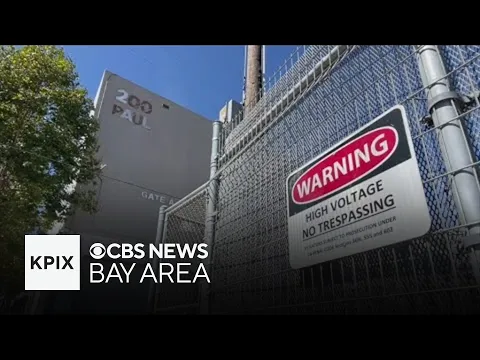
How do macro-employment shifts in the technology sector relate to the professional hospitality industry? As automation, digital systems, and AI-driven platforms begin to reshape reservation booking, supply chain logistics, and prep-sheet calculations, culinary professionals must understand how to navigate structural market changes. This report from KPIX CBS News Bay Area analyses how Bay Area workers are adapting to layoffs and shifting technical demands, offering valuable career lessons for modern head chefs, kitchen directors, and hospitality business owners.
Deconstructing the Market Volatility
Culinary leaders can learn a great deal from how the tech sector analyses volatility. According to a former EDD Director and Counsel interviewed in the report, current layoffs and market shifts cannot be blamed entirely on AI adoption. Instead, the current instability is a complex combination of post-pandemic structural corrections—where companies are pulling back from aggressive over-hiring—and the gradual integration of new automated systems.
For executive chefs and restaurateurs, this analysis highlights the importance of balanced labour management. Just as tech firms faced consequences for over-hiring, restaurants often struggle with seasonal staffing surges and sudden market contractions. Understanding that market corrections are cyclical, rather than solely driven by new technology, helps chefs make more calculated, long-term hiring decisions instead of panicking during quiet periods.
Adapting Skills for the Modern Kitchen
The report notes that workers are adapting in two primary ways: some are diving directly into the new technology to master it, while others are pivoting to roles where human touch remains irreplaceable. In the professional kitchen, a similar strategy is essential.
To remain resilient, chefs must audit their skills. Operational efficiency increasingly relies on digital tools for inventory, food cost analysis, and waste tracking. Embracing these systems allows you to run a tighter, more profitable kitchen. At the same time, chefs must double down on the creative, sensory, and leadership elements of the role—areas where human expertise remains completely superior to any digital tool.
Questions from the pass
Frequently asked questions
How does the tech job market volatility described in the video relate to the kitchen?
The volatility highlights a broader shift in how modern businesses manage staffing and efficiency. For chefs, it demonstrates that technological integration and post-pandemic labour corrections are reshaping workforce demands, making operational adaptability and digital literacy essential skills for modern kitchen managers.
Should chefs fear that AI and automation will replace culinary roles?
No, chefs should not fear complete replacement because core culinary skills rely on physical craftsmanship, taste, and sensory assessment. However, administrative kitchen roles—such as inventory ordering, scheduling, and food waste calculations—are rapidly becoming automated, meaning chefs must learn to work alongside these digital tools.
How can a kitchen manager adapt to the structural changes mentioned in the report?
Kitchen managers can adapt by focusing on data-driven kitchen operations and learning to use digital management platforms. By mastering software that tracks recipe costs, margins, and labour hours, you protect your role by demonstrating both culinary talent and sharp commercial acumen.
What is the main career takeaway for a chef watching these tech industry shifts?
The main career takeaway is to avoid over-specialisation in tasks that can be easily automated. Instead, diversify your skill set by combining classical culinary execution with modern kitchen management technology, ensuring you remain valuable to large restaurant groups seeking tech-literate leaders.
Original video by KPIX | CBS NEWS BAY AREA. This overview is written independently by The Chef's Circle editorial desk — watch the original on YouTube.
Keep reading
Related from the Community
 1:53
1:53Wednesday morning First Alert Weather forecast 9/16/26
 62:11
62:11CBS News Bay Area 8am (9-16-2026)
 32:50
32:50The Largest Buffet In America Serves 10,000+ People A Day
 17:46
17:46I Don’t Know Where This Is Going
 3:33
3:33Watch: Scene of double fatal crash in Brentwood
 4:30
4:30