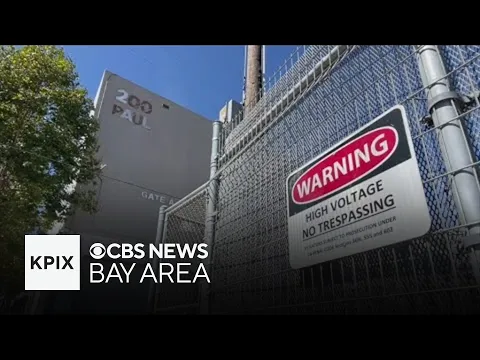
Oakland City Council tackles proposed moratorium on new data centers
23 September 2026 · 3:39 watch
Advertisement
As local governments debate halting the expansion of AI data centers, modern chefs must understand how municipal infrastructure decisions impact grid stability, energy costs, and commercial kitchen zoning.
Key takeaways
- Monitor municipal grid debates to anticipate utility cost increases and plan energy-efficient kitchen equipment upgrades accordingly.
- Understand how regional data infrastructure limits might affect the speed and reliability of your cloud-based kitchen management software.
- Watch industrial zoning decisions, as restrictions on data center expansions can open up valuable real estate for dark kitchens and commissary hubs.
Modern hospitality operations are increasingly digital, relying on cloud-based inventory systems, reservation platforms, and AI-assisted menu planning. As local governments like the Oakland City Council debate halting new data center developments, chefs and restaurateurs must pay close attention. The massive physical infrastructure powering our daily digital tools is facing intense local scrutiny over energy usage and zoning, directly impacting how future food businesses plan their tech integration and manage utility costs. Knowing how to read these policy shifts is becoming a vital part of modern kitchen management.\n\n## The StrainStrainTo separate solids from liquids using a sieve, chinois or other filtering device. on Shared Municipal Power Grids\n\nAs commercial kitchens transition away from gas toward high-efficiency electric induction suites and smart combi ovens, our reliance on a stable local power grid has never been higher. Data centers consume astronomical amounts of electricity and water for cooling. When municipal leaders propose moratoriums on these facilities, it highlights a brewing conflict over local utility capacity. For chefs running high-volume operations, any instability or surge pricing in the municipal grid can devastate thin margins. Understanding the local policy landscape around heavy-industry power consumers helps operators anticipate utility fluctuations and plan long-term energy contracts.\n\n## Navigating the Digital Supply Chain and Zoning\n\nThe modern kitchen does not just run on raw ingredients; it runs on data. Chefs increasingly use AI-driven tools to predict prep volumes, minimize food waste, and conduct digital culinary research. If cities restrict the physical infrastructure that hosts these cloud networks, we may see a stabilization or shift in the deployment of localized smart-kitchen tech. Furthermore, in metropolitan hubs, commercial kitchens, dark kitchens, and data centers often compete for the same industrial-zoned spaces. A moratorium on data centers might temporarily ease rental pressures for food production facilities and commissary kitchens looking to expand.
Questions from the pass
Frequently asked questions
How do local data center developments affect my commercial kitchen utility bills?
Data centers require massive amounts of electricity and water for cooling, which can strain local municipal grids. When local utility demand surges, energy companies may raise commercial rates, directly increasing the operating costs for kitchens running high-power electric appliances like induction ranges.
Why should a chef care about a moratorium on AI infrastructure?
Modern kitchens rely on AI-driven reservation systems, inventory tracking, and digital culinary research platforms. Pauses in infrastructure expansion can eventually affect the speed, cost, and reliability of these cloud-based systems that streamline daily kitchen organisation and supply chain tracking.
Can data center zoning changes help me find commissary kitchen space?
Yes, data centers and commissary kitchens often compete for the same industrial-zoned real estate with high electrical capacity. A moratorium on data center construction can free up prime urban locations and potentially lower rental costs for food businesses.
Should grid strain delay my transition to an all-electric kitchen?
No, but it requires strategic planning. While electric kitchens are more efficient, operators should review local grid capacity and municipal energy policies to ensure long-term stability before finalizing large-scale induction and electric combi oven overhauls.
Original video by KPIX | CBS NEWS BAY AREA. This overview is written independently by The Chef's Circle editorial desk — watch the original on YouTube.
Keep reading
Related from the Community
 1:53
1:53Wednesday morning First Alert Weather forecast 9/16/26
 62:11
62:11CBS News Bay Area 8am (9-16-2026)
 32:50
32:50The Largest Buffet In America Serves 10,000+ People A Day
 17:46
17:46I Don’t Know Where This Is Going
 3:33
3:33Watch: Scene of double fatal crash in Brentwood
 4:30
4:30