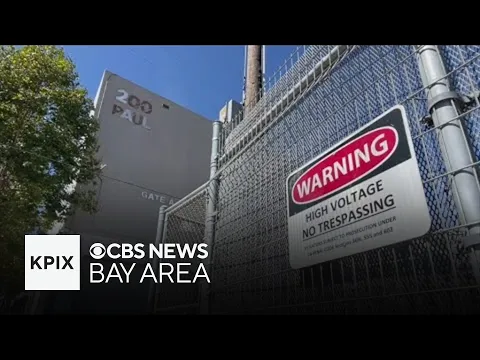
San Jose double murder suspect skips court hearing, prosecutors provide new details
24 September 2026 · 1:32 watch
Advertisement
An editorial analysis of communication breakdowns and protocol failures, drawing critical operational lessons for kitchen management from the San Jose double homicide case.
Key takeaways
- Establish absolute verification protocols where critical reports are objectively investigated rather than dismissed on assumption.
- Create a clear, non-punitive channel for team members to flag severe mistakes or operational failures immediately.
- Implement secondary sign-offs for high-risk situations to prevent individual bias from compromising the entire team.
- Ensure all critical communications are logged and traceable to prevent institutional memory loss during high-stress services.
This report from KPIX CBS News Bay Area details a shocking breakdown in institutional communication: a suspect in a San Jose double homicide tried to surrender to deputies, but his confession was dismissed. For professional chefs and kitchen managers, this scenario serves as a stark case study in the dangers of confirmation bias and systemic communication failures. In any high-pressure environment, whether a law enforcement agency or a busy Michelin-starred service, the protocols for receiving and verifying critical information must be infallible. When a team member or external partner attempts to flag an issue—even one that seems highly improbable or inconvenient—dismissing it without verification can lead to catastrophic operational failure.\n\n## The Danger of Dismissal on the Pass\nIn a professional kitchen, the flow of information is the life-blood of the service. If a commis chef warns a senior sous chef that a critical batch of stockStockA liquid made by simmering bones, meat, fish, vegetables or aromatics. is spoiled, or that a piece of equipment is malfunctioning, the worst response is immediate dismissal based on assumption. In this San Jose case, deputies failed to act on a direct confession, allowing a suspect to remain at large because they assumed the information was false. Kitchen leaders must cultivate an environment where every alert, no matter how unusual, is logged and verified. This requires clear escalation channels. When a team member brings a critical error or confession of mistake to your attention, the standard operating procedure must dictate an immediate, objective double-check rather than an emotional or disbelief-driven reaction.\n\n## Implementing Fail-Safe Verification\nTo prevent these communication blockages, kitchens must implement fail-safe verification loops. First, establish a 'no-blame' window for reporting critical mistakes, ensuring staff feel secure when coming forward. Second, mandate that any high-risk report—such as food safety breaches or equipment failures—requires physical verification by a secondary authority. Just as prosecutors in this case had to piece together details after the initial breakdown, a kitchen manager must reconstruct the chain of events to ensure it never happens again. By treating every report with rigorous, objective analysis, you safeguard your brigade, your guests, and your restaurant's reputation from the fallout of ignored warnings.
Questions from the pass
Frequently asked questions
How do you handle a team member who admits to a major operational error?
You must receive the confession objectively, secure the immediate situation, and verify the details before taking action. Avoid emotional reactions or dismissal. Establish a clear chain of reporting that documents the mistake, allowing you to trace the root cause and implement corrective measures without shutting down communication channels.
What is the danger of confirmation bias in kitchen leadership?
Confirmation bias leads managers to dismiss warnings that do not align with their expectations. If a chef assumes a line cook is incompetent, they might ignore a genuine warning about a failing compressor or spoiled inventory. This dismissal can lead to severe food safety violations or equipment breakdowns that halt service entirely.
How can kitchens prevent critical communication from falling through the cracks?
By implementing structured handovers and mandatory digital logging for all critical inventory and equipment issues. Verbal reports should always be backed up by a physical check and a written or digital log entry. This ensures that information is not lost during shift changes or during the peak chaos of service.
Why is a secondary verification protocol necessary for high-risk kitchen events?
A secondary sign-off ensures that critical decisions are not left to the judgment of a single stressed individual. Whether checking the internal temperature of a large batch of cooked meat or verifying that allergen protocols have been met, a second pair of eyes eliminates individual blind spots and ensures compliance with safety standards.
Original video by KPIX | CBS NEWS BAY AREA. This overview is written independently by The Chef's Circle editorial desk — watch the original on YouTube.
Keep reading
Related from the Community
 1:53
1:53Wednesday morning First Alert Weather forecast 9/16/26
 62:11
62:11CBS News Bay Area 8am (9-16-2026)
 32:50
32:50The Largest Buffet In America Serves 10,000+ People A Day
 17:46
17:46I Don’t Know Where This Is Going
 3:33
3:33Watch: Scene of double fatal crash in Brentwood
 4:30
4:30