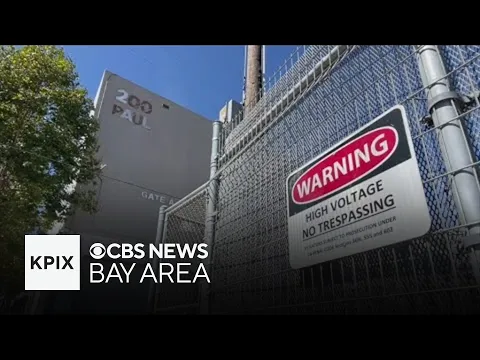
Survivors of Foster City condo fire seek federal loans to help rebuild their lives
16 September 2026 · 2:30 watch
Advertisement
A devastating fire can halt operations instantly. Learn how business owners and residents navigate the complex landscape of federal disaster loans and strategic recovery to rebuild their physical spaces and operations.
Key takeaways
- Crisis management and business resilience are essential skills for modern kitchen leaders.
- Off-site backup of financial and equipment records is vital for disaster loan applications.
- Business interruption insurance and federal aid are key lifelines during forced closures.
- Alternative operational models like pop-ups help maintain staff and cash flow during rebuilds.
The Reality of Post-Disaster Recovery\n\nA fire in any hospitality space or mixed-use culinary development is an absolute worst-case scenario. While we focus heavily on daily service and culinary execution, understanding the path to recovery after a catastrophic event is a vital part of kitchen organisation and business strategy. The recent coverage of the Foster City condo fire, where residents and business owners are turning to federal loans to rebuild, highlights the complex financial hurdles that follow a major disaster. For chefs and restaurateurs, the lesson is clear: survival does not end when the flames are extinguished; the real challenge lies in navigating the financial and regulatory systems required to rebuild your workspace.\n\n## Navigating Federal Assistance and Loans\n\nWhen private insurance falls short or payouts are delayed, federal disaster loans—such as those provided by the Small Business Administration (SBA) in the United States—become the primary lifeline for restoring operations. Chefs must understand that securing these loans requires meticulous documentation. Maintaining up-to-date digital records of inventory, kitchen equipment, structural modifications, and financial statements off-site is essential. The survivors in Foster City demonstrate that the application process is often slow and bureaucratic. To mitigate this downtime, operators need to establish immediate contingency plans, including temporary kitchen setups, pop-up events, or collaborative residencies with other local venues to maintain cash flow while waiting for federal aid approval.\n\n## Structural Contingencies and Risk Management\n\nRebuilding after a fire is not simply a matter of replacing lost gear; it requires a complete assessment of structural integrity and modern safety compliance. Any rebuilt kitchen must conform to updated building codes, fire suppression requirements, and ventilation standards. Chefs should work closely with forensic accountants and insurance adjusters to ensure that the cost of updating infrastructure is fully accounted for in loan applications. This news report serves as a stark reminder of why proactive risk management, robust insurance policies, and a clear understanding of federal emergency resources are just as critical to a chef's career strategy as mastering techniques on the line.
Questions from the pass
Frequently asked questions
How can a chef prepare financially for a catastrophic kitchen fire?
Chefs must maintain comprehensive, off-site digital backups of all financial records, equipment inventories, and supplier contracts. Ensuring your business interruption insurance is active and regularly reviewed is the most critical step to surviving the immediate aftermath of a major kitchen fire.
What role do federal loans play in rebuilding a food business after a disaster?
Federal disaster loans, such as those from the SBA, provide low-interest capital to bridge the gap when insurance payouts are insufficient or delayed. These loans help cover structural repairs, equipment replacement, and operational costs during the rebuilding phase.
How should a kitchen team handle operational downtime during a rebuild?
Operators should pivot to temporary models like food trucks, pop-ups, or collaborative kitchen takeovers to keep staff employed and maintain brand presence. This maintains a steady, albeit reduced, cash flow while waiting for loan approvals and construction to finish.
What is the main challenge when applying for disaster loans?
The primary hurdle is the extensive documentation required and the slow processing times of federal agencies. Kitchen owners must provide detailed tax returns, proof of losses, and cost estimates, which can delay the receipt of crucial funds.
Original video by KPIX | CBS NEWS BAY AREA. This overview is written independently by The Chef's Circle editorial desk — watch the original on YouTube.
Keep reading
Related from the Community
 1:53
1:53Wednesday morning First Alert Weather forecast 9/16/26
 62:11
62:11CBS News Bay Area 8am (9-16-2026)
 32:50
32:50The Largest Buffet In America Serves 10,000+ People A Day
 17:46
17:46I Don’t Know Where This Is Going
 3:33
3:33Watch: Scene of double fatal crash in Brentwood
 4:30
4:30