$1 vs $100,000 Knife
21 September 2026 · 0:26 watch
Advertisement
We compare the performance, steel metallurgy, and ergonomics of budget blades against ultra-premium artisan knives to find the true sweet spot for commercial kitchens.
Key takeaways
- High-carbon steel allows for steeper edge angles and superior edge retention compared to soft, stamped budget steels.
- Blade balance and handle ergonomics are critical for reducing wrist fatigue during extended prep sessions.
- Proper knife maintenance, including regular honing and progressive stone sharpening, is more critical than initial cost.
- Ultra-premium collector knives offer diminishing functional returns for high-volume commercial kitchen environments.
Every kitchen relies on the relationship between a chef and their blade. In this comparison, Nick DiGiovanni examines the performance gulf between a bottom-tier budget knife and an ultra-premium, high-artisan tool. While the price gap is extreme, the exercise highlights core principles of metallurgy, blade geometry, and edge retention that every professional must understand when choosing their kit.
Steel Composition and Blade Geometry
The performance of any knife comes down to its steel chemistry and grind. Cheap mass-produced knives are stamped from soft, low-carbon stainless steel. These blades dull rapidly because the steel lacks the hardness to support a fine edge angle; under pressure, the apex simply rolls. Professional-grade knives utilize high-carbon steels or advanced powder metallurgy alloys, often clad in layers of Damascus for structural support. This harder steel allows the smith to grind exceptionally steep edge angles that slice rather than wedge. A chef learns that a harder blade holds its sharpness far longer, reducing maintenance time during busy prep shifts.
Ergonomics, Balance, and Prep Efficiency
Beyond the steel itself, the physical build of the knife determines its utility on the line. Budget knives often feature cheap plastic handles and poor balance, making them nose-heavy or tail-heavy, which quickly causes hand fatigue. High-end artisan knives are meticulously balanced at the bolster or just forward of it, allowing the weight of the knife to do the work. Proper balance improves control when executing precision cuts like julienneJulienneTo cut food into thin, uniform matchstick-shaped strips. or brunoiseBrunoiseA precise 1–2mm dice, normally produced from julienned vegetables.. Additionally, the blade profile—whether it features a rounded German-style belly for rock-chopping or a flatter Japanese profile for push-cutting—must align with your specific prep style to maximise efficiency and safety.
The Law of Diminishing Returns
While a custom artisan blade offers exceptional edge retention and aesthetic beauty, the functional difference between a mid-tier professional knife and an ultra-expensive collector's piece is marginal on the prep line. For most commercial kitchens, the sweet spot lies in high-quality German or Japanese production knives that balance durability, ease of sharpening, and cost-effectiveness. Investing in the absolute highest-priced gear is rarely practical for high-volume line work where knives can be chipped, misplaced, or abused.
Questions from the pass
Frequently asked questions
What is the main difference in steel quality between cheap and expensive knives?
Cheap knives use soft stainless steel that rolls easily and cannot hold a fine edge angle. Premium knives use high-carbon steel or powder metallurgy alloys, which are much harder, allowing for a sharper, more durable edge.
How does blade balance affect a chef's daily work?
A well-balanced knife reduces physical strain and wrist fatigue during long prep sessions. When the balance point sits right at the bolster, the knife moves naturally with the hand, giving the chef better precision and control.
Should a professional kitchen invest in ultra-premium custom knives?
Generally no, as ultra-premium artisan knives offer diminishing returns in high-volume settings. They are susceptible to chipping, theft, or misuse on the line, making durable, mid-tier professional knives the smarter choice.
Why does blade geometry matter more than price?
Blade geometry determines how easily the knife passes through food. A thin blade grind with a gradual taper slices cleanly, whereas a thick, poorly ground budget knife wedges and tears ingredients, regardless of sharpness.
How often should high-carbon professional knives be sharpened?
High-carbon blades hold their edge longer but still require regular touch-ups. In a busy commercial kitchen, daily stropping or honing on a fine ceramic rod, paired with weekly stone sharpening, keeps them in peak condition.
Original video by Nick DiGiovanni. This overview is written independently by The Chef's Circle editorial desk — watch the original on YouTube.
Keep reading
Related from the Community
 1:16
1:16How a Sushi Master Makes Sushi
 0:38
0:38Stop Crying When Cutting Onions: Genius Kitchen Hack! #chefdez #cooking #cuttingonions #onions
 1:25
1:25Fine dining starts with the right tools 🔪#ICECulinary #FineDining #ChefTools #CulinarySchool #Chef
 1:39
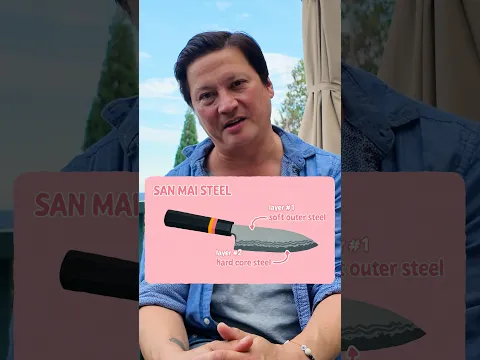
1:39San Mai Steel: Why It Works for Kitchen Knives
 3:01
3:01Here’s what really happens when you hone a knife
 0:50
0:50