I Raised A Chicken And Cooked It
15 August 2026 · 15:24 watch
Advertisement
Explore the profound culinary lessons of rearing, dispatching, and preparing poultry from scratch, highlighting how ethical animal husbandry directly influences meat quality, butchery technique, and cooking times.
Key takeaways
- Understand how animal husbandry, exercise, and diet directly impact the muscle density and natural flavour profile of poultry.
- Utilise precise whole-bird butchery techniques to improve kitchen yield, separating cuts for distinct cooking methods.
- Adopt low-and-slow heat techniques and wet brining to mitigate the inherent toughness of highly active, pasture-raised birds.
- Implement a zero-waste, nose-to-tail philosophy by converting the carcass and offal into rich culinary stocks and components.
In an era dominated by vacuum-packed, pre-portioned poultry, Nick DiGiovanni's journey of rearing a chicken from a chick to the plate offers a grounding reminder of culinary providence. For the modern chef, this extreme farm-to-table approach highlights the direct connection between animal husbandry and culinary output, challenging us to reconsider our relationship with our primary ingredients.
The Reality of Farm-to-Table Sourcing
Rearing livestock like poultry demands a deep understanding of feed, environment, and ethics. The transition from backyard husbandry to the commercial kitchen is not simple, but managing the life cycle of the bird yields meat of unparalleled quality. When chefs control the rearing process, factors such as exercise and diet directly influence muscle structure, fat distribution, and ultimate flavour profiles. The resulting bird has a firmer texture and a deeper, more complex flavour than mass-produced alternatives, requiring careful adjustment in the kitchen to avoid toughness.
Whole-Bird Butchery and Respectful Cookery
Processing a whole chicken raised from scratch demands immaculate knife skills and a zero-waste philosophy. Culinary professionals must approach butchery with precision, separating the bird into primal cuts—breasts, wings, thighs, and drumsticks—while reserving the carcass for rich stocks. Because pasture-raised birds tend to have more active muscles, traditional quick-cooking methods may need temperingTemperingControlled heating and cooling of ingredients, particularly chocolate, to create the desired crystalline structure.. Searing the skin to renderRenderTo slowly heat fatty tissue so that its fat melts away. the fat, followed by gentle, low-temperature roasting or braising, ensures that the firmer, more developed muscle tissue remains succulent. Utilising every part of the animal, from the offal to the bones, is not just a lesson in cost-efficiency; it is a fundamental sign of respect for the life that was taken to feed others.
Culinary Pitfalls and Adjustments
Chefs accustomed to standard commercial broilers often struggle with heritage or backyard breeds. These birds require distinct preparation times and temperatures. Overcooking is a constant risk because pasture-raised birds carry less water weight and more dense protein structures. Brining becomes an essential preparatory step to retain moisture, while slow, gentle heat application allows the connective tissues to break down beautifully, revealing the true depth of the poultry's natural flavour.
Questions from the pass
Frequently asked questions
How does the texture of a home-raised chicken differ from a commercial broiler?
Home-raised chickens generally display a much firmer muscle texture and denser protein structure due to increased physical activity and a varied diet. This active lifestyle yields less water weight and more connective tissue. Consequently, chefs must adapt by using gentler cooking methods, such as low-temperature roasting or brining, to prevent the meat from becoming tough.
What is the benefit of whole-bird butchery for a professional kitchen?
Whole-bird butchery drastically improves kitchen yield and food cost efficiency by allowing chefs to allocate specific cuts to appropriate dishes. Breast meat can be pan-seared, legs can be confited or braised, and the carcass and wings can be roasted to form the base of rich, gelatinous stocks, ensuring zero waste across the menu.
Should heritage or pasture-raised chickens be brined before cooking?
Yes, brining is highly recommended for pasture-raised poultry to help retain moisture during cooking. Because these birds have less intramuscular fat than mass-produced broilers, a standard saltwater brine helps hydrate the muscle fibres. This step ensures the meat remains succulent and tender, even when exposed to high-heat roasting or searing.
How should a chef approach cooking active leg muscles versus breast meat on a pasture-raised bird?
Active leg and thigh muscles require slow, moist-heat methods to break down their abundant collagen and connective tissue, making braising or confit ideal. Conversely, the leaner breast meat should be cooked quickly with dry heat, such as pan-searing or roasting, and removed as soon as it reaches safe internal temperatures to avoid drying out.
Original video by Nick DiGiovanni. This overview is written independently by The Chef's Circle editorial desk — watch the original on YouTube.
Keep reading
Related from the Community
 47:23
47:23Steve | The Vivaldi Way is live!
 0:32
0:32Sheet-Pan Gnocchi (Easy Vegetarian Dinner Recipe) #easydinnerideas
 22:26
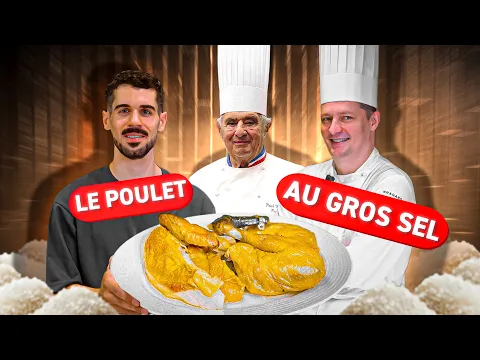
22:26Je fais le POULET AU GROS SEL de Paul Bocuse... avec un Chef Bocuse
 47:23
47:23Jamie Oliver's Chicken Recipes & Ideas To Try This Weekend
 38:18
38:18These May Be the Most Delicious Potatoes in the World!
 8:42
8:42