BBQ Shredded Beef Melt Recipe (In Description)
19 September 2026 · 0:15 watch
Advertisement
Discover Derek Wolf's professional dual-phase technique for chuck roast, combining a low-and-slow smoke with a rich tallow braise for the ultimate shredded beef melt.
Key takeaways
- Combine an initial smoke at 250°F (121°C) with a sealed tallow braise at 300°F (149°C) to break down tough chuck roast.
- Ensure the braising liquid reaches exactly 50% of the meat's height to steam the beef without stripping the bark.
- Rest the cooked chuck roast for 20 minutes before shredding to retain moisture and prevent dry, stringy meat.
- Layer cheddar cheese on both the top and bottom pieces of bread to create a barrier against wet BBQ sauce.
This editorial breaks down Derek Wolf’s technique for transforming tough beef chuck roast into highly succulent shredded beef for toasted melts. For professional kitchens, utilising chuck roast offers an excellent cost-to-margin ratio, but it requires a precise dual-phase cooking method to break down collagen without drying out the protein. Wolf addresses this using a low-and-slow smoke followed by a heavy wet braiseBraiseTo brown food and then cook it slowly in a small quantity of liquid, usually covered., often referred to as the Texas crutch, fortified with beef tallow.
The Two-Stage Smoke and Braise
The process begins with a dry cureCureTo preserve and season food using salt, sugar, smoke, acid or combinations of these.. Binding the rub with yellow mustard ensures even adhesion and helps build a robust bark. A minimum four-hour cure is necessary, though an overnight rest in the fridge is ideal to allow the salt to penetrate the muscle fibres.
The first cooking phase takes place in a smoker set to 121°C (250°F). This initial smoke runs for approximately three hours, targeting an internal temperature of 74°C (165°F). At this stage, the bark is set, and the meat has absorbed sufficient smoke profile.
The critical transition occurs next. To prevent stall and accelerate collagen breakdown, the roasts are transferred to a deep pan containing beef brothBrothA seasoned liquid produced by simmering meat, vegetables, bones or other ingredients., sliced onions, and beef tallow. The liquid must reach exactly halfway up the meat; too much liquid washes away the seasoned bark, while too little fails to steam the connective tissue effectively. Tightly sealed with foil, the temperature is raised to 149°C (300°F) for another three to four hours until the meat is completely shreddable.
Moisture Management and Assembly
A common pitfall is shredding the beef immediately after cooking. Wolf stresses a 20-minute rest period. This allows the muscle fibres to relax and reabsorb the hot rendering juices. Once shredded, the remaining braising liquid (or au jusAu JusFrench for "with its own juice"; food served with its natural cooking juices.) is highly valuable. Chefs should strainStrainTo separate solids from liquids using a sieve, chinois or other filtering device. and simmer this liquid down by half to create a concentrated dipping jusJusA concentrated meat sauce or natural gravy made from cooking juices and stock., adding immense value to the final presentation.
When assembling the melts, structural integrity is key. Thick-cut bread, such as Texas toast or thick brioche, is required to hold the weight of the shredded beef and barbecue sauce. Melting cheddar cheese on both the top and bottom layers acts as a barrier, preventing the sauce and moisture from making the toasted bread soggy. Toast the sandwich in a skillet with melted butter until golden and crisp, then serve immediately alongside the reduced au jusAu JusFrench for "with its own juice"; food served with its natural cooking juices. for dipping.
Questions from the pass
Frequently asked questions
Why is beef tallow added to the braising step?
Beef tallow introduces clean, rich fat back into the braising pan, which helps baste the chuck roast as it renders. This extra fat coats the meat fibres during shredding, ensuring the shredded beef remains incredibly moist and flavourful even after being held or reheated.
What is the purpose of resting the chuck roast for 20 minutes before shredding?
Resting allows the hot muscle fibres to relax and reabsorb the rendered gelatin and juices. If you shred the beef immediately after pulling it from the heat, the internal steam and moisture will rapidly escape, leaving the meat dry and stringy.
How do you prevent the barbecue sauce from making the toasted bread soggy?
To prevent sogginess, layer slices of cheddar cheese on both the top and bottom pieces of bread, placing the sauced beef in the middle. The melted cheese acts as a hydrophobic barrier, shielding the toasted bread from the wet filling.
Can this recipe be adapted for a standard combi oven instead of a smoker?
Yes, you can mimic this process by roasting the seasoned beef uncovered in a combi oven at 121°C with low humidity to set the bark. Then, transfer the meat to a deep gastro tray with the liquid, seal tightly, and finish at 149°C.
Original video by Over The Fire Cooking by Derek Wolf. This overview is written independently by The Chef's Circle editorial desk — watch the original on YouTube.
Keep reading
Related from the Community
 10:12
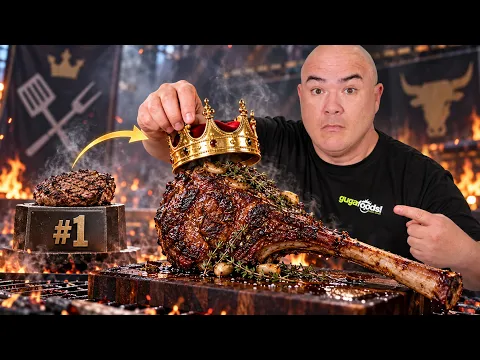
10:12I Tried to DETHRONE YouTube’s #1 Steak Video
 0:53
0:53HOT PLATE 🔥 Hausu - BBQ pork collar #bbq #chef #london #londonrestaurants #restaurant #pork#cheflife
 19:27
19:27Authentic Uzbek Plov That ALWAYS Turns Out Perfect and Delicious!
 14:10
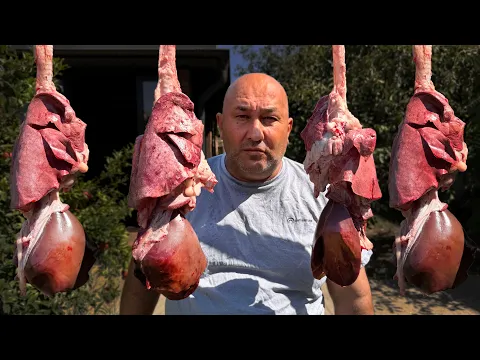
14:10Not Shashlik, But a BOMB! Juicy Liver Roll in Fat on the Grill
 1:07
1:07Is this the Ribeye of Salmon steaks?
 8:42
8:42