Technique

Braising

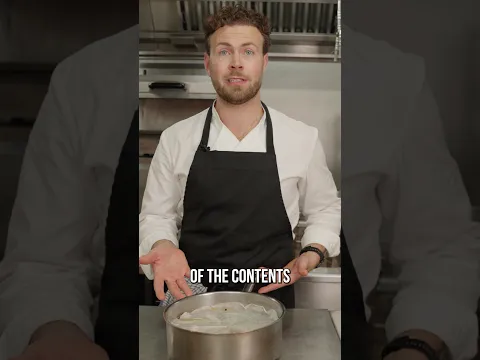
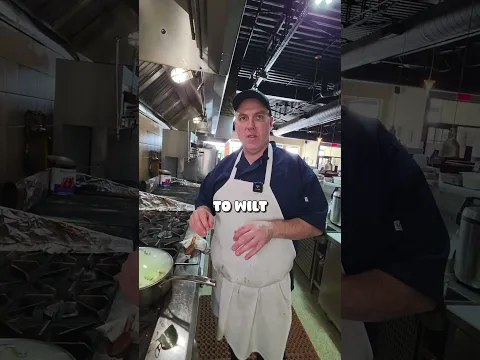
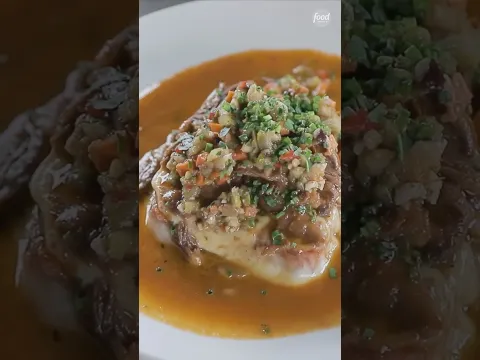
Braising: sear hard, deglaze, then hold it just below a simmer until the collagen gives. Low heat, covered pot, patience — and a sauce built from the cooking liquor.
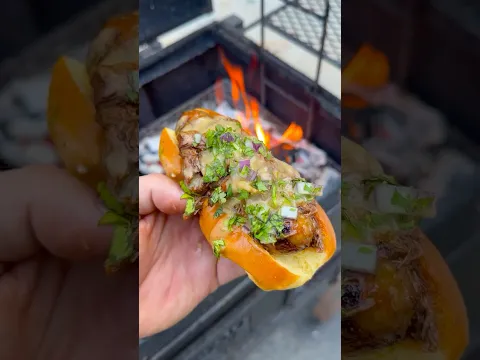
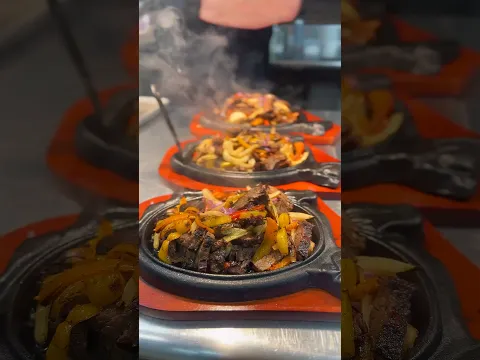
Braising: sear hard, deglaze, then hold it just below a simmer until the collagen gives. Low heat, covered pot, patience — and a sauce built from the cooking liquor.

Shorts & reels

Quick hits from the pass

Sixty-second clips — one idea, one trick, no preamble.

Questions from the pass

Braising: frequently asked

What temperature is best for braising tough cuts of meat?

To break down collagen into gelatin, the meat's internal temperature must stay between 80°C and 85°C. Keep the oven around 130°C to 140°C. For a 2kg beef shin or featherblade, this process takes three to four hours. Maintain a bare simmer; boiling toughens the muscle fibres before the connective tissue can dissolve.

How much liquid do you need for braising?

Liquid should cover one-third to one-half of the meat. For a classic beef cheek braise, use a 1:1 ratio of red wine and brown veal stock. Too much liquid boils the meat instead of braising it, diluting the final sauce. Too little dries out the exposed top; turn the meat halfway through the cook.

Do you have to sear meat before braising?

Yes, searing is essential for deep flavour. Season the meat heavily with salt and sear in oil at high heat until a dark brown crust forms. This Maillard reaction creates complex flavours that dissolve into the braising liquor during deglazing with wine or stock, providing the foundational base for the final reduction sauce.

How do you thicken braising liquid into a sauce?

Strain the cooking liquor into a clean saucepan, skim the fat, and reduce it over medium heat by half to concentrate the gelatin. For a high-shine finish, whisk in cold butter cubes—about 50g per litre—just before service, or use a roux if a heavier texture is required for dishes like oxtail stew.

Should a braise be tightly covered?

Yes, seal the pot with a tight-fitting lid or foil to prevent evaporation. For dishes like pork belly or lamb shanks, place a wet parchment paper cartouche directly on the food surface under the lid. This traps steam, ensures even heat distribution, and prevents the top of the meat from drying out during long cooks.

The library is just the prep work

Step off the pass. Join the network.

A free account on The Chef's Circle app gets you a professional portfolio, a way in with chefs and kitchens across our 1.6 million-strong following, and a cut of the ad revenue on the content you make.