Surf and Turf Sliders Recipe (In Description)
10 September 2026 · 0:13 watch
Advertisement
Master the art of high-volume casual dining with these premium surf and turf sliders. This guide demonstrates how to balance tender ribeye and butter-poached lobster using precise two-zone grilling.
Key takeaways
- Utilise two-zone indirect grilling to control the internal temperatures of the ribeye, pulling at 120°F (49°C) to prevent overcooking during the final bake.
- Protect the slider rolls from structural sogginess by placing a barrier layer of provolone cheese directly on the bottom bun before adding wet proteins.
- Simmer lobster claw meat in a cast iron skillet for no more than five minutes to maintain its tender bite before assembly.
- Apply an indirect bake at 350-375°F (175-190°C) to melt the cheese and crisp the butter-brushed buns without burning the slider bases.
This editorial reviews Derek Wolf's approach to the classic surf and turf combination, reimagined as a high-volume sharing platter. By utilising two-zone indirect live-fire cooking, chefs can manage two highly sensitive proteins—ribeye and lobster—without overcooking either during the final bake.
Mastering Two-Zone Heat for Mixed Proteins
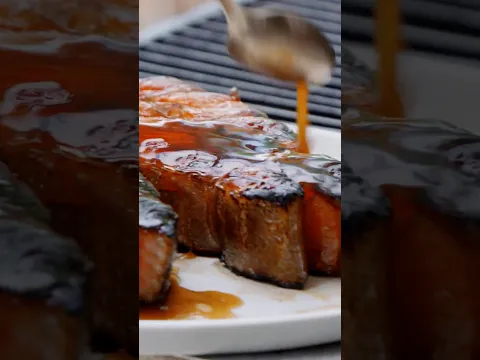
The execution of this dish rests entirely on temperature control. The ribeye steaks are grilled over medium-high heat at approximately 190°C (375°F) using a two-zone setup, allowing for a hard searSearTo expose food to high heat to develop a browned exterior. before being pulled off at 120°F (49°C) to rest. This relatively low pull temperature is critical; because the steak is sliced and baked inside the sliders later, any further cooking must be accounted for to prevent the meat from turning grey, dry, and tough on the pass.
While the steak rests, a cast iron skillet is placed on the grillGrillTo cook using direct radiant heat. to simmer the lobster claw meat in unsalted butter, minced garlic, and seafood rub. This process takes only five minutes. It is a quick warming step rather than a prolonged cook, preserving the tender texture of the lobster claws. Finishing with fresh chives off the heat keeps the herbaceous notes bright and cuts through the heavy fat profiles of the beef and butter.
Assembly Strategy and Textural Balance
The physical assembly of these sliders determines their success. Using a pull-apart sheet of slider rolls kept whole simplifies high-volume preparation. To protect the bottom bun from moisture run-off from the restingRestingAllowing cooked meat or another food to stand before serving so heat and juices can redistribute. steak and the buttery lobster, a barrier layer of provolone cheese is laid down first. The sliced ribeye and warm lobster are layered in, then capped with another layer of provolone to act as a binder, securing the top buns.
Brushing the top buns with melted butter and everything bagel rub provides both a golden finish and a textured crunch after a 10-12 minute bake at 175-190°C (350-375°F) in an indirect heat zone. Serving these sliders with a warm cowboy butter on the side offers a rich, acid-led dipping element that cuts through the richness, turning what could be a messy street food item into a controlled, premium sharing board option.
Questions from the pass
Frequently asked questions
Why pull the ribeye at 120°F (49°C) instead of a higher finish temperature?
Pulling the ribeye at 120°F prevents the steak from overcooking during the subsequent baking step. Since the sliced steak undergoes a secondary 10-12 minute bake inside the assembled slider rolls, pulling it early ensures the meat remains medium-rare and tender rather than dry and overdone.
How do you prevent the slider buns from becoming soggy from the lobster butter?
You prevent sogginess by layering provolone cheese directly onto the bottom buns before adding any proteins. This cheese layer melts to form a hydrophobic barrier that stops the juices from the ribeye and the buttery lobster mixture from soaking directly into the bread.
What is the purpose of using a two-zone indirect heat setup on the grill?
A two-zone setup provides precise temperature control. It allows you to sear the steaks over direct heat, simmer the lobster in a cast iron skillet over gentle warmth, and bake the assembled sliders indirectly so the cheese melts and the buns crisp up without burning.
Can you substitute lobster tail for the lobster claw meat in this recipe?
Yes, you can use lobster tail meat. However, ensure it is chopped into bite-sized pieces and monitored closely during the five-minute skillet simmer. Claw meat is preferred for its natural tenderness and ease of portioning across the sliders.
What role does the everything bagel rub play on the slider buns?
The everything bagel rub adds structural contrast and seasoning. When sprinkled over the melted butter on the top buns before the indirect bake, it toasts on the grill, creating a savoury, textured crust that contrasts with the soft crumb of the roll.
Main ingredients
Original video by Over The Fire Cooking by Derek Wolf. This overview is written independently by The Chef's Circle editorial desk — watch the original on YouTube.
Keep reading
Related from the Community
 10:12
10:12I Tried to DETHRONE YouTube’s #1 Steak Video
 0:22
0:22Celebrating Culture and Community
 0:53
0:53HOT PLATE 🔥 Hausu - BBQ pork collar #bbq #chef #london #londonrestaurants #restaurant #pork#cheflife
 19:27
19:27Authentic Uzbek Plov That ALWAYS Turns Out Perfect and Delicious!
 14:10
14:10Not Shashlik, But a BOMB! Juicy Liver Roll in Fat on the Grill
 1:07
1:07