The Steak that Started the Modern American Steakhouse
9 September 2026 · 0:23 watch
Advertisement
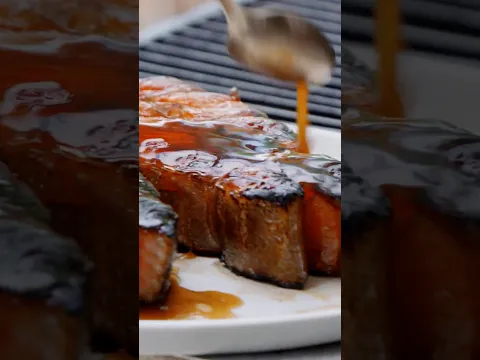
Discover the core live-fire techniques that birthed the modern American steakhouse, focusing on dual-zone fire management, dry-brining, and proper fat rendering for thick-cut beef.
Key takeaways
- Establish a clear dual-zone fire to manage searing and gentle finishing separately.
- Dry-brine steaks prior to cooking to draw out surface moisture for a superior crust.
- Render intramuscular fat slowly by transferring the meat to indirect heat after the initial sear.
- Rest beef on an elevated rack to prevent the bottom crust from turning soggy.
The American steakhouse legacy was built on a simple yet demanding foundation: thick-cut beef cooked over intense, direct heat. In this video, Derek Wolf of Over The Fire Cooking explores the live-fire techniques that defined this classic culinary institution. For modern chefs, mastering this style of service relies on precise fire management, understanding fat rendering, and respecting the restingRestingAllowing cooked meat or another food to stand before serving so heat and juices can redistribute. phase to ensure a flawless cook from edge to edge.
To replicate this classic profile in a professional kitchen or outdoor wood-fired setup, focus begins with dry-brining. Seasoning the meat with salt hours ahead of service draws out moisture, dissolves the salt, and reabsorbs it into the protein, while drying the surface of the meat for an optimal searSearTo expose food to high heat to develop a browned exterior..
Live-Fire Zone Management
Cooking a substantial steak—such as a thick bone-in ribeye or Porterhouse—over open flames requires more than just high heat. Chefs must establish a dual-zone fire. One side of the hearth must deliver intense, direct heat for building a deep, caramelised crust. The opposite side provides gentle, indirect radiant heat.
The pitfall for many cooks is rushing the process on a single hot zone, which chars the exterior before the core reaches temperature. By starting with a hard searSearTo expose food to high heat to develop a browned exterior. to catch the dripping fat and trigger the Maillard reactionMaillard ReactionThe chemical reaction between amino acids and reducing sugars responsible for complex browning flavours., then moving the beef to the cooler zone, you control the thermal curve. This prevents flare-ups from scorching the meat with bitter soot.
Fat Rendering and the Rest
Steakhouse-quality beef relies on marbling. When exposed to open flame, this intramuscular fat must renderRenderTo slowly heat fatty tissue so that its fat melts away. completely to lubricate the muscle fibres. A rapid flash-cook fails to break down this fat, leaving it chewy and unappealing.
Once the meat reaches the desired internal temperature, restingRestingAllowing cooked meat or another food to stand before serving so heat and juices can redistribute. is non-negotiable. During cooking, muscle fibres contract and push moisture outward. Resting the meat on a warm rack allows these fibres to relax, drawing the juices back toward the centre. This ensures that when the steak is carved for service, the juices stay within the meat rather than washing across the board. Finish simply with flaked sea salt and a neutral fat brush to highlight the natural character of the beef.
Questions from the pass
Frequently asked questions
Why is dual-zone heat critical when cooking thick-cut steaks over live fire?
Dual-zone heat allows you to control the cooking rate. Intense direct heat creates a deeply caramelised crust through the Maillard reaction, while the indirect zone gently brings the core of a thick steak to temperature. This prevents the exterior from burning before the inside is properly cooked.
What is the benefit of dry-brining a steakhouse cut before cooking?
Dry-brining draws out surface moisture, allowing salt to penetrate deep into the muscle fibres for better seasoning. It also dries the exterior skin of the meat. A dry surface sears much faster and more evenly, ensuring a superior crust without overcooking the band of meat just beneath the surface.
How do you prevent flare-ups from ruining the steak over open flames?
Manage flare-ups by moving the meat between the direct and indirect zones of your grill. When rendering fat drips and ignites, temporarily transfer the steak to the cooler side. This stops soot and acrid smoke from coating the beef, keeping the crust clean and bitter-free.
Why must large steaks rest on an elevated rack instead of a flat board?
Resting on an elevated rack prevents the bottom crust from turning soggy in its own escaping juices. It allows air to circulate around the entire steak, keeping the seared exterior crisp while the muscle fibres relax and reabsorb internal moisture for a clean, juicy slice during service.
Original video by Over The Fire Cooking by Derek Wolf. This overview is written independently by The Chef's Circle editorial desk — watch the original on YouTube.
Keep reading
Related from the Community
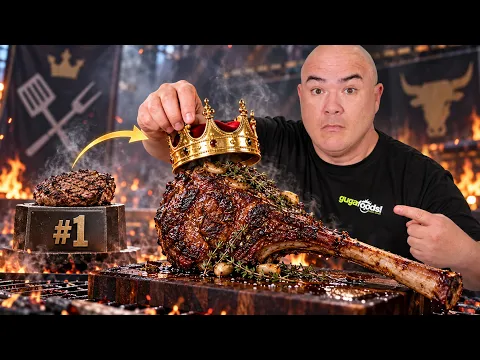 10:12
10:12I Tried to DETHRONE YouTube’s #1 Steak Video
 0:22
0:22Celebrating Culture and Community
 0:53
0:53HOT PLATE 🔥 Hausu - BBQ pork collar #bbq #chef #london #londonrestaurants #restaurant #pork#cheflife
 19:27
19:27Authentic Uzbek Plov That ALWAYS Turns Out Perfect and Delicious!
 14:10
14:10Not Shashlik, But a BOMB! Juicy Liver Roll in Fat on the Grill
 1:07
1:07