2 steaks 1 stainless steel pan
23 August 2026 · 2:06 watch
Advertisement
Learn how to sear two steaks in a single stainless steel pan simultaneously, managing thermal drop, moisture, and pan crowding for a perfect crust.
Key takeaways
- Preheat the stainless steel pan until water droplets bead and roll, ensuring a naturally non-stick surface before adding oil.
- Avoid crowding the pan; leave sufficient clearance between the steaks so moisture can escape as steam rather than boiling the meat.
- Pat the steaks completely dry before cooking to prevent surface moisture from delaying the Maillard reaction.
- Baste with butter and aromatics only at the very end of cooking to prevent the milk solids from burning.
Cooking multiple proteins in a single pan is a daily reality on the line, but it poses significant thermal challenges. In this demonstration, the focus is on searing two steaks simultaneously in a single stainless steel pan without losing temperature or crowding the surface. To achieve a deep, uniform crust on both cuts, you must master heat retention, moisture control, and pan mechanics.\n\n## The Thermodynamics of Pan Crowding\nThe primary hazard when dropping two cold steaks into one pan is a sudden, drastic drop in surface temperature. If the pan loses too much heat, the steaks will boil in their own juices rather than searSearTo expose food to high heat to develop a browned exterior., ruining any chance of a proper Maillard reactionMaillard ReactionThe chemical reaction between amino acids and reducing sugars responsible for complex browning flavours..\n\nTo prevent this, a heavy-gauge, multi-clad stainless steel pan is essential. The high thermal mass of quality stainless steel stores enough heat to recover quickly after the beef is introduced. Preheating the pan properly is non-negotiable. You must heat the dry pan until a drop of water rolls across the surface like mercury (the Leidenfrost effect) before adding a high-smoke-point oil. Only then do you lay in the steaks, ensuring there is still a clear gap between the cuts to allow steam to escape freely.\n\n## Moisture Control and Heat Management\nSurface moisture is the enemy of a clean sear. The steaks must be patted completely dry before they touch the hot oil. Any residual surface water must evaporate before browning can begin, which wastes valuable thermal energy and overcooks the interior.\n\nOnce the steaks are in the pan, resist the urge to move them immediately. Stainless steel naturally releases food once a proper crust has formed. If the meat resists when you try to lift it, it is not ready to flip. Keep the heat medium-high to maintain a constant sizzle, adjusting slightly if the oil begins to smoke excessively.\n\n## Finishing with Butter and AromaticsAromaticsIngredients such as onions, garlic, celery, herbs and spices used to build flavour in a dish.\nOnce you have flipped the steaks and achieved a solid crust on both sides, drop the heat to medium-low to finish cooking the interior. This is the moment to introduce cold butter and optional aromatics like garlic and herbs. By basting the steaks with the foaming butter, you distribute heat evenly across the top surface, helping the interior reach target temperature while adding rich flavour. Remove the steaks to rest on a wire rack to preserve the crispness of the crust you worked so hard to build.
Questions from the pass
Frequently asked questions
Why do my steaks stick to the stainless steel pan when I first lay them down?
Meat naturally bonds to stainless steel when first introduced to the pan. This is normal and should not be forced. As the proteins coagulate and form a caramelized crust, the meat will naturally release itself from the metal surface. Attempting to move the steaks too early will tear the flesh and ruin the sear.
How do I know if my stainless steel pan is hot enough before adding the oil?
Use the water droplet test to gauge pan temperature. Flick a few drops of water into the dry, preheated pan; if they sizzle and evaporate instantly, the pan is too cool. If the droplets bead up and glide across the surface like marbles, the pan has reached the correct temperature and is ready for oil.
What happens if I crowd the pan with too many steaks at once?
Crowding the pan traps moisture underneath the meat, forcing the steaks to steam rather than sear. This drastically drops the pan’s temperature, preventing the Maillard reaction from occurring and resulting in a grey, unappealing exterior. Always leave ample space between cuts to allow steam to escape.
When is the best time to add butter for basting when searing steaks?
Introduce butter only during the final minutes of cooking after flipping the steaks. Adding butter too early risks burning the milk solids over the high heat required for the initial sear. Lower the heat slightly, drop in cold butter and aromatics, and baste continuously until the desired internal temperature is met.
Should I use a non-stick pan instead of stainless steel for searing steaks?
No, stainless steel is far superior for high-heat searing. Non-stick coatings cannot withstand the high temperatures required for a proper crust and do not produce the fond needed for pan sauces. Stainless steel offers superior heat retention and distribution, which is essential for achieving a professional, deeply caramelized crust.
Original video by Steel Pan Guy. This overview is written independently by The Chef's Circle editorial desk — watch the original on YouTube.
Keep reading
Related from the Community
 5:28
5:28Stop Adding Oil First—This Makes Mushrooms Golden Brown | Japanese Chef
 3:00
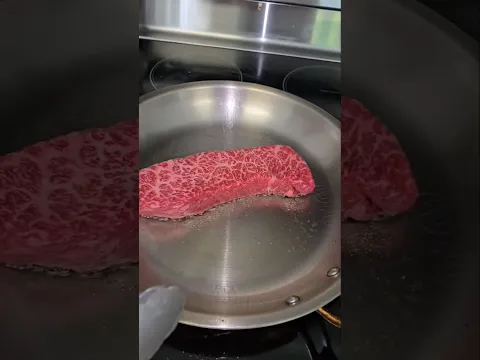
3:00Steak and egg on 1 steel pan
 47:23
47:23Jamie Oliver's Chicken Recipes & Ideas To Try This Weekend
 0:27
0:27How To Fry The Perfect Steak #howto #shorts
 13:46
13:469 astuces pour améliorer facilement tous vos plats dès maintenant
 1:38
1:38