Lemon Greek Potatoes 🍋
10 September 2026 · 1:58 watch
Advertisement
Master the traditional Greek technique of cooking lemon potatoes, leveraging a dual-action braising and roasting method to achieve a tender interior and crisp exterior.
Key takeaways
- Dual-action cooking: Braising the potatoes in a lemon, stock, and oil mixture creates a tender interior before roasting crisps the exterior.
- Liquid management: Monitor the evaporation rate to ensure all water cooks off, leaving only the olive oil to crisp the potatoes at the end.
- Herb timing: Use dried oregano instead of fresh to withstand the high, dry heat of the roasting phase without burning.
- Hold capacity: These potatoes retain heat and quality exceptionally well, making them ideal for banquets and busy services.
In this feature, Steve from The Vivaldi Way demonstrates the traditional preparation of Greek lemon potatoes, a staple side dish that balances bright acidity with rich, olive-oil-infused textures. For professional chefs, mastering this dish lies in understanding how to manage liquid levels during the cooking process to achieve a soft, custardCustardA preparation thickened primarily by eggs and/or starch, generally based on milk or cream.-like interior paired with caramelised, crispy edges.
Managing the Braise-to-Roast Transition
Unlike conventional dry-roasted potatoes, Greek lemon potatoes rely on a dual-phase cooking method. The potato wedges are bathed in a mixture of lemon juice, stockStockA liquid made by simmering bones, meat, fish, vegetables or aromatics., olive oil, garlic, and dried oregano. In the initial phase of cooking, this liquid acts as a braising medium. It cooks the starch thoroughly, allowing the potatoes to absorb the sharp citrus notes and herbal aromas deep into their core.
As the cooking progresses, the water content from the lemon juice and stockStockA liquid made by simmering bones, meat, fish, vegetables or aromatics. gradually evaporates in the hot oven. This triggers the second phase: once the liquid cooks down, the remaining olive oil coats the tender potatoes, allowing them to roast and develop deeply browned, caramelised edges. The key for the line cook is monitoring the roasting pan. Too much liquid left at the end of the cooking time results in soggy, waterlogged potatoes, while too little liquid too early leads to dry starch and scorched garlic.
Flavour Balance and Service Prep
Achieving the correct emulsification of fat and acid is essential for a clean finish. The olive oil must enrich the potato without leaving a greasy mouthfeel, which is balanced by the sharp punch of fresh lemon juice. Using dried oregano rather than fresh ensures the herb notes persist through the long roasting time without burning or turning bitter.
For high-volume kitchens, this preparation offers exceptional operational advantages. The potatoes can be cut, seasoned, and bathed in their liquid prep-ahead, ready to be slid into the oven before service. Because they hold their heat well and actually improve as they rest in their seasoned oils, they are highly suited for banqueting, buffet service, or as a reliable, prep-ahead side dish for the main dinner service.
Questions from the pass
Frequently asked questions
What is the best potato variety to use for Greek lemon potatoes?
Select an all-purpose or waxy-to-medium starch potato like Yukon Gold or Charlotte. These varieties hold their wedge shape during the initial braising stage and absorb the lemon liquid without crumbling into mush. High-starch potatoes can break down too quickly, ruining the presentation.
Why do my potatoes turn out soggy rather than crispy?
This occurs when there is too much liquid left in the roasting pan. Ensure that the water and lemon juice evaporate fully during the cooking process. Once the liquid is gone, only the oil should remain to fry and crisp the outer edges of the potatoes.
Can I use fresh oregano instead of dried oregano?
Dried oregano is preferred for this long-roasting application. Fresh oregano contains delicate volatile oils that burn and turn bitter under sustained dry heat. Dried Greek oregano (rigani) releases its flavours slowly into the cooking liquid and withstands the final roasting phase.
How do I prevent the garlic from burning during the roasting process?
Keep the garlic cloves whole, lightly smashed, or tuck them under the potatoes so they are protected from direct heat. If you use minced garlic, add it later in the cooking process or ensure it is fully submerged in the liquid to prevent it from scorching.
Can these potatoes be prepared ahead of service?
Yes, they are highly suited for prep-ahead service. You can par-cook them in the liquid, then finish the roasting phase right before service. Alternatively, cook them fully and hold them warm; they retain moisture and flavour exceptionally well.
Original video by Steve | The Vivaldi Way. This overview is written independently by The Chef's Circle editorial desk — watch the original on YouTube.
Keep reading
Related from the Community
 6:09
6:09I Found the Secret to Taverna-Style Moussaka | Traditional Greek Moussaka
 47:23
47:23Steve | The Vivaldi Way is live!
 0:13
0:133 Soup Recipes To Make This Fall (Easy Soup Recipes!) #souprecipes
 0:32
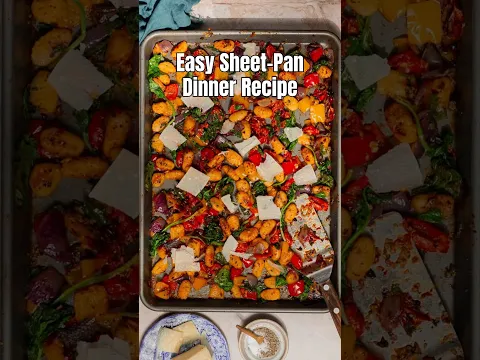
0:32Sheet-Pan Gnocchi (Easy Vegetarian Dinner Recipe) #easydinnerideas
 22:26
22:26Je fais le POULET AU GROS SEL de Paul Bocuse... avec un Chef Bocuse
 47:23
47:23