5 Authentic Greek Recipes You Must Try
15 August 2026 · 7:46 watch
Advertisement
Discover the culinary secrets behind five foundational Greek classics. This professional overview details the critical techniques of moisture control, emulsion stability, and layering needed to perfect spanakopita, tzatziki, moussaka, and more on your menu.
Key takeaways
- Wring out wilted spinach completely to keep the spanakopita's filo pastry crisp and prevent soggy bottom crusts.
- Salt and squeeze grated cucumbers thoroughly to maintain a thick, emulsified tzatziki that does not weep.
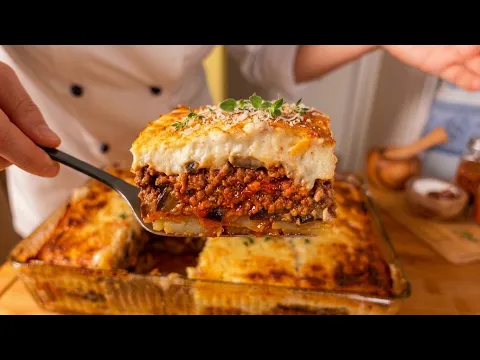
- Reduce the moussaka meat sauce heavily and let the baked dish rest to ensure clean, stable portion slices.
Greek cuisine is celebrated for its rustic simplicity, yet reproducing these heritage dishes in a professional kitchen demands precise technical execution. This video guide from The Cooking Foodie dissects five pillars of Hellenic cooking: spanakopita, gyros, moussaka, Greek salad, and tzatziki. For chefs, the value lies in understanding the structural balance of these dishes—ensuring textures remain distinct and flavours clean.
Mastering Savoury Pastry and Cool Emulsions
The journey begins with spanakopita, where the primary challenge is managing moisture. The filling combines spinach and feta, but if the greens retain excess water, the delicate filo pastry will turn soggy during baking. Chefs must thoroughly wilt, cool, and wring out the spinach before mixing. When layering the filo, brushing each sheet with melted butter or oil is essential; this creates steam pockets that yield a shatteringly crisp bake.
Transitioning to tzatziki, the technique pivots to emulsion and suspension. A common pitfall is a runny sauce. To prevent this, the cucumber must be salted and aggressively squeezed to expel its water content. When combined with strained Greek yoghurt, garlic, olive oil, and herbs, the result is a thick, spoonable condiment that holds its structure on the plate rather than weeping into other components.
Layering and Textural Balance in Hot Mains
Moussaka exemplifies classical layering. It requires a harmonious balance between the soft, melt-in-the-mouth aubergine base, a deeply savoury meat ragu, and a rich, velvety top layer of béchamelBéchamelA classical French white mother sauce made from milk thickened with a roux.. To master this, chefs must ensure the meat sauce is well-reduced to prevent excess liquid from pooling at the bottom of the dish. The béchamel must be cooked out sufficiently to provide a stable, golden-brown crust that sets beautifully upon cooling.
For gyros, the focus shifts to protein preparation and quick-fire searing. Achieving that characteristic caramelized exterior without drying out the meat requires uniform slicing, robust marination, and high-heat cooking. Finally, the iconic Greek salad illustrates the importance of raw ingredient prep. Rather than toss the components indiscriminately, chefs learn the value of precise knife cuts—wedging tomatoes and thickly slicing cucumbers to maintain structural integrity—topped with a block of high-quality feta and a splash of quality olive oil.
Questions from the pass
Frequently asked questions
How do you prevent spanakopita from becoming soggy during baking?
To prevent soggy spanakopita, ensure the spinach is thoroughly drained after wilting by squeezing it in a clean tea towel. Additionally, brush each layer of filo pastry generously with fat to create crisp barriers that steam open, keeping the pastry light and flaky rather than dense.
What is the secret to a thick, restaurant-quality tzatziki?
The secret to thick tzatziki lies in moisture control and dairy choice. You must use thick, strained Greek yoghurt and aggressively squeeze the grated cucumber of all its water. Salting the cucumber beforehand helps draw out this excess moisture, preventing the sauce from splitting or weeping on the plate.
How can chefs ensure moussaka slices cleanly for service?
To ensure clean slices of moussaka, let the baked dish rest for at least twenty to thirty minutes before portioning. This cooling period allows the béchamel to set and the layers of aubergine and meat sauce to settle and bind together, preventing the structural collapse of individual portions.
What is the best way to handle filo pastry to avoid tearing?
Keep filo pastry covered with a damp cloth while assembling your prep to prevent it from drying out and fracturing. Work quickly, brushing each sheet gently with fat from the centre outwards to avoid snagging and tearing the delicate layers.
Original video by The Cooking Foodie. This overview is written independently by The Chef's Circle editorial desk — watch the original on YouTube.
Keep reading
Related from the Community
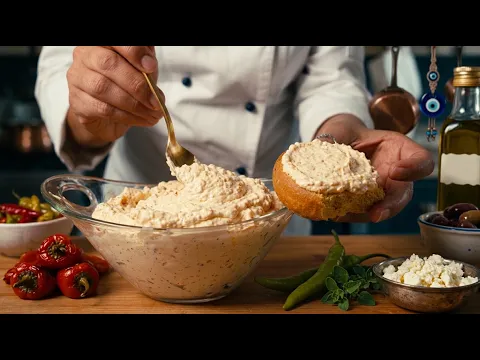 2:11
2:11The BEST Greek Dip You’ve Never Tried | Authentic Greek Tyrokafteri (Spicy Feta Dip)
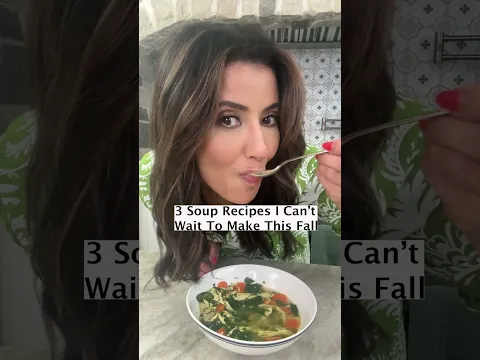 0:15
0:153 Soup Recipes I Can't Wait to Make This Fall | Easy Soup Recipes #souprecipe
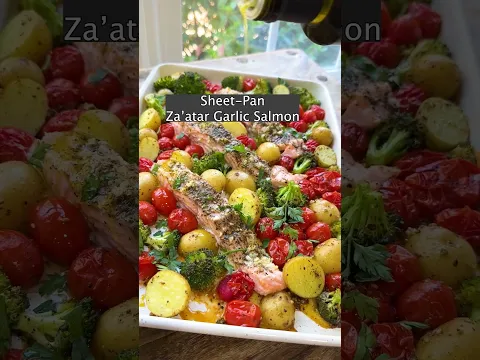 0:10
0:103 Sheet Pan Dinners (Easy Dinner Recipes!) #shorts #easydinner
 0:45
0:45Stop Wasting Time! Easy Tzatziki Recipe Hack! #chefdez #cooking #tzatziki #tzatzikisauce #yogurt
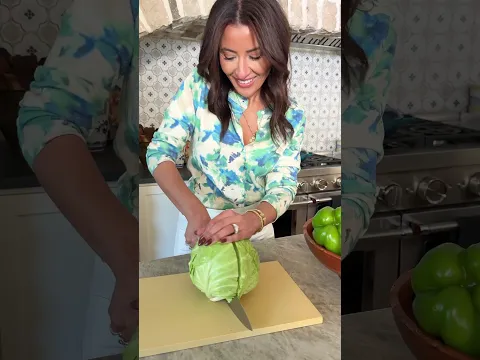 0:34
0:34Greek Cabbage Rice (Easy Cabbage Recipe) #cabbage
 6:09
6:09