9 astuces pour améliorer facilement tous vos plats dès maintenant
10 September 2026 · 13:46 watch
Advertisement
Tom Cooks shares nine essential culinary corrections to fix common kitchen errors, focusing on searing mechanics, spice blooming, proper meat resting, and balancing over-seasoned dishes.
Key takeaways
- Moisture is the primary barrier to a proper sear; always pat meat dry and avoid overcrowding the pan.
- Toast spices in fat to dissolve lipid-soluble flavour compounds before adding liquids.
- Salt meat well in advance to allow moisture to reabsorb, or right at the moment of cooking, avoiding the middle phase of osmosis.
- Rest cooked meat to let muscle fibres relax and retain internal juices.
- Balance over-seasoning by using fat, sugar, or acid as counterweights rather than simply diluting.
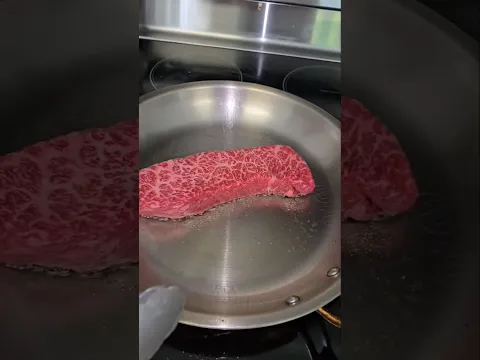
In this editorial review, we break down nine fundamental kitchen principles highlighted by culinary educator Tom Cooks. These practical corrections target the common mechanical errors that stifle flavour development and compromise texture on the line.\n\n## Mastering Heat and Moisture Control\nThe most common barrier to a perfect searSearTo expose food to high heat to develop a browned exterior. is moisture. When meat is placed in a pan with surface moisture, that water must evaporate before the temperature can rise high enough to trigger the Maillard reactionMaillard ReactionThe chemical reaction between amino acids and reducing sugars responsible for complex browning flavours.. Consequently, the meat steams instead of browning. Chefs can resolve this by thoroughly patting the protein dry and ensuring the pan is sufficiently preheated. Overcrowding the pan is another critical pitfall; too many items release steam simultaneously, dropping the pan temperature and ruining the sear. Spacing ingredients allows moisture to escape instantly, maintaining high heat.\n\n## Chemistry of Flavour and Seasoning\nUnderstanding how spices and salt interact with ingredients is crucial for consistent output. Throwing dry spices directly into a liquid base limits their potential because many aromatic compounds are fat-soluble. Blooming spices in warm oil or butter before adding wet ingredients dissolves these compounds, spreading their character throughout the entire dish.\n\nSalting also requires precise timing due to osmosis. Salting meat ten to fifteen minutes before cooking draws moisture out to the surface, creating a wet layer that prevents browning. To prevent this, either dry-brineBrineA salt solution used to season, preserve or improve the moisture retention of food. the protein well in advance, allowing the drawn-out moisture time to dissolve the salt and be reabsorbed into the muscle, or salt it immediately before it hits the hot metal.\n\n## Texture and Seasoning Correction\nEven when cooked to the perfect internal temperature, a steak will eat dry and tough if it is sliced too quickly. Under heat, muscle fibres constrict, pushing juices to the centre. RestingRestingAllowing cooked meat or another food to stand before serving so heat and juices can redistribute. the meat lets those fibres relax and reabsorb the juices, ensuring a tender bite. When seasoning goes awry, dilution is not always the best option. Chefs can balance excess salt, heat, or acid by introducing fats like butter or cream to coat the palate, or using starch and subtle sweetness to soften harsh tones. Finally, strict mise en placeMise en PlaceFrench for "everything in its place"; the preparation and organisation completed before service. prevents service bottlenecks, keeping the pass running smoothly under pressure.
Questions from the pass
Frequently asked questions
Why does meat fail to sear and grey instead of browning?
Meat fails to brown when surface moisture steam-cooks the protein before the Maillard reaction can occur. To fix this, always pat the meat completely dry with paper towels before cooking, and avoid overcrowding the pan, which traps steam and drops the pan temperature.
What is the correct way to extract maximum flavour from dry spices?
Many flavour compounds in spices are fat-soluble rather than water-soluble. Toasting dry spices in a small amount of oil or butter—known as blooming—releases these essential oils, distributing the aroma and flavour far more effectively throughout the finished dish.
How does salting time affect the texture of seared meat?
Salting too close to cooking draws moisture to the surface via osmosis, creating a wet barrier that ruins your sear. Either salt your meat at least forty-five minutes in advance to let the moisture reabsorb (dry brining), or salt immediately before placing it in the pan.
Why does a properly cooked steak turn out tough and dry when sliced immediately?
Slicing meat immediately after cooking causes the tense muscle fibres to squeeze out their highly pressurised juices. Resting the meat allows the fibres to relax and reabsorb these liquids, ensuring the finished steak remains tender and moist when carved.
How can you rescue a sauce that has become too salty or acidic?
You can balance excess salt or acid by introducing counteracting elements like fat, sweetness, or starch. Adding butter or cream coats the palate and reduces the perception of salt, while a touch of sugar can offset harsh, lingering acidity.
Original video by Tom Cooks. This overview is written independently by The Chef's Circle editorial desk — watch the original on YouTube.
Keep reading
Related from the Community
 5:28
5:28Stop Adding Oil First—This Makes Mushrooms Golden Brown | Japanese Chef
 3:00
3:00Steak and egg on 1 steel pan
 47:23
47:23Jamie Oliver's Chicken Recipes & Ideas To Try This Weekend
 0:27
0:27How To Fry The Perfect Steak #howto #shorts
 1:38
1:38Life-hack: Fish Skin That DOESN'T Stick To The Pan
 0:23
0:23