Japanese vs. German Chef Knives
15 August 2026 · 1:01 watch
Advertisement
German vs. Japanese chef knives: which belongs in your kitchen? Discover how blade curvature, steel hardness, and ergonomic balance impact your daily prep efficiency and technique.
Key takeaways
- Blade length dictates the balance between control and cutting efficiency, with 7- to 8-inch knives offering superior precision.
- German knives feature robust, curved edges for rocking motions, whereas Japanese Gyutos focus on harder steel and flatter profiles for clean slicing.
- The ideal chef's knife must align with your natural cutting motion, grip style, and the specific ingredients you prep daily.
- Avoid the pitfall of purchasing overly heavy or long blades purely for prestige, as they can cause hand fatigue during long service prep.
The Philosophy of Blade Selection
In the professional kitchen, a chef’s knife is far more than a simple tool; it is an intimate extension of the hand, reflecting the cook's unique movement patterns, aesthetic tastes, and daily prep requirements. Selecting the correct blade is a foundational decision that directly impacts service efficiency, culinary precision, and long-term physical comfort. When selecting a new knife, a chef must carefully balance the trade-offs between ultimate control and raw cutting capacity. While longer blades excel at processing high volumes of ingredients quickly, shorter seven- to eight-inch knives are often preferred by professionals who prioritise precise manoeuvrability and close-up control over sheer speed.
German versus Japanese Design Engineering
The choice between German and Japanese cutlery represents a fundamental divide in design engineering and culinary tradition. Traditional German knives, such as those famously crafted by Zwilling, are celebrated for their robust construction, heavier bolsters, and resilient, tougher steel. These knives feature a distinct curved profile, or 'belly', engineered specifically to facilitate a continuous rocking motion on the board—making them ideal for heavy-duty chopping, splitting dense squash, and rapid herb mincing. Conversely, Japanese knives, exemplified by the refined Gyuto style, are forged from harder, thinner steel. These blades feature a noticeably flatter profile designed for clean, precise vertical push-cuts and delicate draw-slicing. While they offer unparalleled sharpness and cleaner cuts that preserve delicate ingredients, they require a more mindful technique to avoid chipping the harder steel.
Ergonomics and Preventing Prep Fatigue
A common pitfall for developing chefs is purchasing a blade based on prestige, price, or sheer size rather than ergonomic compatibility. A knife must harmonise with your natural cutting style and grip. If you predominantly employ a pinch grip, the weight distribution and balance point at the bolster are absolutely critical; a poorly balanced knife will cause premature wrist fatigue and joint strainStrainTo separate solids from liquids using a sieve, chinois or other filtering device. during gruelling prep shifts. Ultimately, the best knife is one that complements your physical mechanics, fits your hand comfortably, and matches the specific demands of your station's prep list.
Questions from the pass
Frequently asked questions
What is the main difference between German and Japanese chef knives?
German chef knives generally feature thicker, heavier, and tougher steel with a curved profile designed for rocking cuts and robust tasks. In contrast, Japanese knives, like the Gyuto, use harder, thinner steel with a flatter profile optimised for ultra-precise slicing, delicate detail work, and push-cutting techniques.
Why would a chef choose a shorter seven-to-eight-inch knife over a longer blade?
A chef chooses a shorter seven- to eight-inch knife to prioritise maximum control and agility over sheer raw cutting volume. Shorter blades reduce leverage resistance, making them highly effective for detailed prep, smaller workspaces, and chefs with smaller hands who find longer ten-inch blades fatiguing.
How does blade curvature affect my daily cutting technique?
Blade curvature determines the cutting motion your knife is designed to support. A highly curved belly facilitates a smooth, rocking motion on the cutting board, which is ideal for mincing herbs and dicing vegetables. Flatter blades require a push, pull, or vertical chopping motion, yielding cleaner slices with less ingredient bruising.
Are expensive, premium chef knives actually worth the investment for professionals?
Yes, premium chef knives are worth the investment because they feature superior steel quality, better edge retention, and balanced ergonomics. High-quality knives withstand the rigours of professional kitchens, reducing the frequency of sharpening and minimising physical strain and fatigue during long preparation shifts.
Original video by TriggTube. This overview is written independently by The Chef's Circle editorial desk — watch the original on YouTube.
Keep reading
Related from the Community
 1:16
1:16How a Sushi Master Makes Sushi
 0:38
0:38Stop Crying When Cutting Onions: Genius Kitchen Hack! #chefdez #cooking #cuttingonions #onions
 1:25
1:25Fine dining starts with the right tools 🔪#ICECulinary #FineDining #ChefTools #CulinarySchool #Chef
 1:39
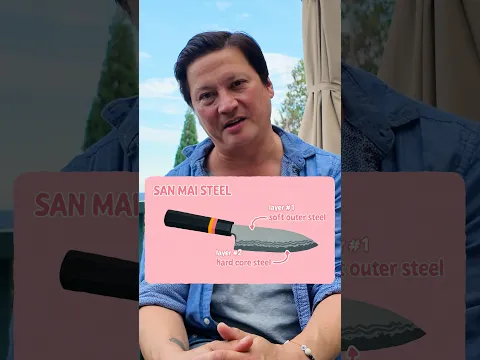
1:39San Mai Steel: Why It Works for Kitchen Knives
 3:01
3:01Here’s what really happens when you hone a knife
 0:50
0:50