Very Good Japanese Fried Chicken Recipe
15 August 2026 · 8:24 watch
Advertisement
Chef Brian Lagerstrom's triple-fry technique and textured potato starch dredge deliver an exceptionally crispy, authentic Japanese chicken karaage perfect for high-volume bar snacks and casual dining.
Key takeaways
- Moisten the potato starch dredge with a water spray to create craggy, high-surface-area flakes for maximum crunch.
- Incorporate cornstarch directly into the marinade to build a sticky binder that holds the outer coating securely.
- Employ a triple-fry method (160°C initial cook followed by two flash-frys) to achieve an enduringly crispy exterior.
- Limit the marinade time to a maximum of 24 hours to prevent the sake, mirin, and soy from curing and toughening the chicken.
The Mechanics of Superior Crispness
For professional kitchens, Japanese fried chicken (or karaage) represents the pinnacle of high-yield, high-margin bar snacks. In this guide, chef Brian Lagerstrom demonstrates how to lift this izakaya staple by focusing on starch hydration and moisture management. The foundation lies in using skinless, boneless chicken thighs cut into uniform 3-4cm pieces. Thigh meat is highly forgiving under intense heat, retaining its succulent juices far better than breast meat.
The marinade serves a dual purpose: building deep savoury flavour and establishing an adhesive layer for the dredgeDredgeTo coat food lightly in flour, breadcrumbs or another dry ingredient.. By incorporating grated ginger, garlic, soy sauce, sake, mirin, and a touch of cornstarch directly into the marinade, you create a slightly tacky paste. This paste is vital; it ensures the outer starch coating adheres perfectly to the protein rather than flaking off in the fryer.
The Hydrated Dredge and Triple-Fry Protocol
The real secret to Lagerstrom's exceptionally crispy texture lies in his innovative dredging technique. Instead of using dry potato starch, he recommends lightly misting the starch with water beforehand. This controlled hydration creates tiny, irregular starch clumps. When the chicken is dredged, these "craggy bits" cling to the paste-coated meat, creating an uneven, high-surface-area crust that translates to maximum crunch once fried.
Lagerstrom introduces a precise triple-fry protocol to lock in this texture. The first fry is conducted at 160°C (325°F) for two and a half minutes to cook the chicken through gently. After a brief drain, the chicken returns to the oil for a second fry of 60 to 90 seconds to drive off surface moisture. Following a one-minute rest on a wire rack, a third and final flash-fry of 60 to 90 seconds darkens the exterior to a rich golden brown. This multi-stage process ensures the crust remains shatteringly crisp, even during holding or transit.
Plate Presentation and Menu Integration
To balance the rich, fried profile of the chicken, traditional accompaniments are essential. Lagerstrom serves the karaage alongside ultra-fine shredded raw cabbage and fresh lemon wedges, which provide a sharp, clean contrast. He pairs the dish with a quick, punchy dipping sauce combining Kewpie mayonnaise, seasoned rice vinegar, togarashi, and chilli oil. This balance of fat, acid, and heat makes the dish an excellent, fast-paced option for high-volume service.
Questions from the pass
Frequently asked questions
Why use potato starch instead of wheat flour for karaage?
Potato starch is essential because its larger starch granules create a lighter, crisper, and more delicate crust than standard wheat flour. It also absorbs less oil during frying, ensuring the chicken remains incredibly light and entirely gluten-free.
What is the benefit of spraying the potato starch with water?
Misting the potato starch with water creates small clumped aggregates or 'craggy bits' before dredging. These uneven pieces adhere to the marinated chicken, significantly increasing the surface area and delivering a superior texture after frying.
Can I marinate the chicken for longer than 24 hours?
No, you should not exceed a 24-hour marinating window. The acid and salt in the soy, mirin, and sake will break down the muscle fibres too much, resulting in a mushy or overly cured texture rather than a tender bite.
Why does this recipe require a triple-fry technique?
A triple-fry technique manages moisture expulsion perfectly, ensuring the chicken stays crispy for longer. The first fry cooks the meat, while the subsequent quick flashes drive off escaping steam, preventing the crust from becoming soggy during service.
What is the role of MSG in the chicken marinade?
MSG acts as a powerful flavour enhancer that intensifies the savoury umami notes of the garlic, ginger, and soy sauce. It provides that classic, addictive depth of flavour characteristic of authentic Japanese izakaya dishes.
Original video by Brian Lagerstrom . This overview is written independently by The Chef's Circle editorial desk — watch the original on YouTube.
Keep reading
Related from the Community
 0:46
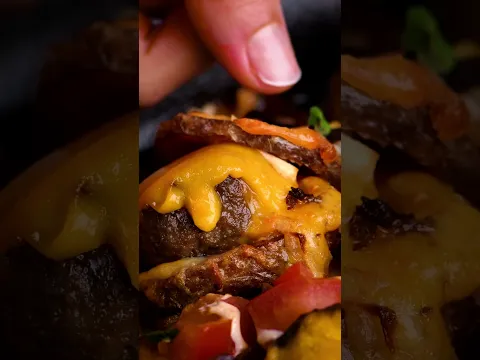
0:46Get a load of these cheeseburger fries 🍔🍟
 0:53
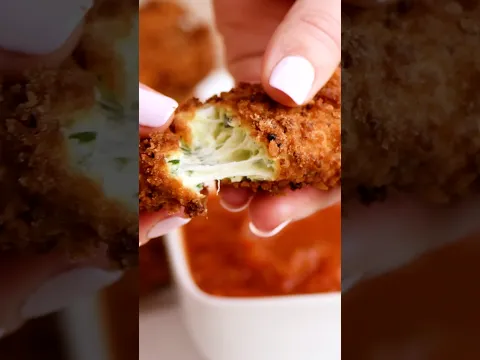
0:53The crunchy and cheesy goodness of a mozzarella stick combined with spinach artichoke dip 🧀✨
 0:38
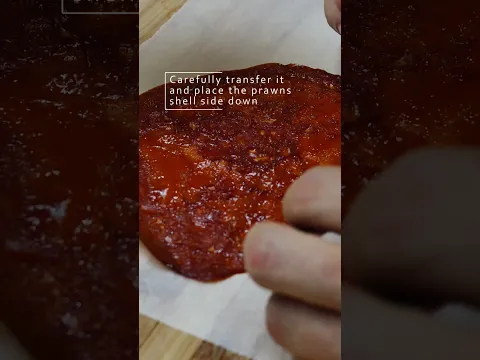
0:38Edible Fossil Chips Made From Prawn and Duck
 1:20
1:20Why Gregory Gourdet loves the Biryani at NYC's Dhamaka #nyc #eater
 0:18
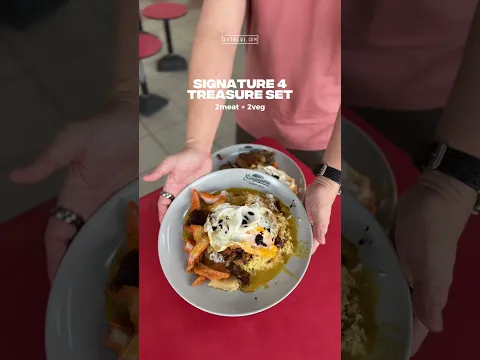
0:18curry rice is easily my go-to choice for lunch!!🍛 #singapore #sgfoodie #hawkerfood #affordable
 9:00
9:00