Cuisine

Japanese

Absolute precision, hyper-seasonality, and deep umami development define the modern Japanese kitchen.

Japanese kitchen work is built on discipline, temperature control, and knife skills that take years to master. At its core, you are balancing the classic five seasonings—sugar, salt, vinegar, soy sauce, and miso—applied in a strict order (sa-shi-su-se-so) to respect how flavors penetrate ingredients. Cleanliness and sharp steel are non-negotiable when dealing with raw fish, where a bruised fiber can ruin a service.

Mastery here means understanding the delicate balance of dashi. Getting the extraction of kombu and katsuobushi right requires strict temperature control; boiling the kelp releases bitter tannins that cloud the stock and ruin the foundation of your dishes. Whether you are working with binchotan charcoal on a konro grill or perfecting the vinegar ratio in your sushi rice, consistency is your ultimate metric.

This section gathers technical guides, producer spotlights, and kitchen-tested recipes from chefs who have spent decades refining these techniques. From basic prep to advanced fermentation, you will find practical knowledge to improve your station's output.

Shorts & reels

Quick hits from the pass

Sixty-second clips — one idea, one trick, no preamble.

Questions from the pass

Japanese: frequently asked

What is the correct ratio for ichiban dashi?

To prepare classic ichiban dashi, steep 20g of kombu in 1 litre of soft water at 60°C to 65°C for 30 minutes to extract maximum glutamic acid without bitterness. Bring to just under a simmer at 85°C, remove the kombu, add 30g of katsuobushi (bonito flakes), remove from the heat immediately, and strain after 10 seconds.

How much vinegar ratio for sushi rice?

Use a standard ratio of 100ml seasoned rice vinegar (sushi-zu) to 1kg of cooked short-grain Japanese rice (such as Koshihikari). Prepare the sushi-zu by dissolving 15g of sugar and 10g of sea salt into 100ml of rice vinegar over low heat. Fold this mixture into the hot, steamed rice using a hangiri wooden tub.

How long to marinate chicken in shio koji?

Marinate boneless chicken thighs or white fish in shio koji for 12 to 24 hours in the fridge before cooking. The ratio is 10% shio koji to the weight of the protein. The enzymes break down proteins into savoury glutamates. Ensure you wipe off excess koji before searing to prevent burning over direct heat.

What charcoal is used for yakitori?

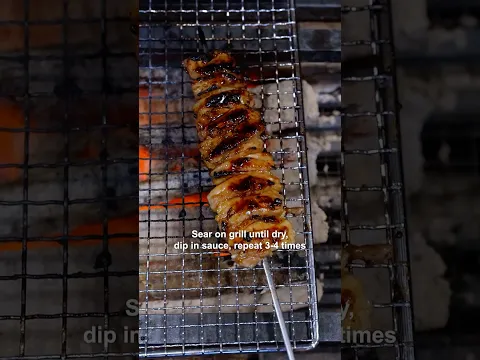
High-grade white binchotan charcoal is essential for yakitori, burning cleanly at temperatures between 800°C and 1000°C. The intense, infrared heat sears chicken skewers (such as momo or tsukune) instantly, locking in juices while imparting no smoke flavour from wood sap. Keep a water spray handy to manage flare-ups from dripping fat.

What is the difference between white and red miso?

Shiro (white) miso is fermented for under three months, resulting in a sweet, light profile ideal for dressings or delicate cod marinades. Aka (red) miso is fermented for up to three years, developing a deep, salty umami profile suitable for hearty braises and winter soups. Store both in airtight containers at 4°C to prevent oxidation.

The library is just the prep work

Step off the pass. Join the network.

A free account on The Chef's Circle app gets you a professional portfolio, a way in with chefs and kitchens across our 1.6 million-strong following, and a cut of the ad revenue on the content you make.