Korean Grandma's Korean Fried Chicken 🇰🇷👵
15 August 2026 · 1:00 watch
Advertisement
Discover the professional culinary secrets behind authentic, shatter-crisp Korean fried chicken, from the starch-coating science to the double-frying method.
Key takeaways
- Ditch wheat flour for potato starch to achieve a gluten-free, glass-like exterior that remains crisp under heavy sauces.
- Utilise a two-stage frying process: a moderate-heat cook to render fat, followed by a high-heat flash fry to drive out moisture.
- Form a paste-like layer with the starch and marinade to anchor the batter and prevent separation during frying.
- Micro-coat the chicken by tossing it rapidly in a hot, reduced syrup glaze rather than heavy pool-coating.
In this exploration of homestyle Korean culinary heritage, creator Danny Kim highlights the time-honoured techniques behind authentic Korean fried chicken, guided by the intuitive wisdom of a traditional Korean grandmother. For development chefs and kitchen teams aiming to refine their casual dining menu, this traditional approach offers invaluable lessons in texture management, fat rendering, and sauce adherence.
The Secret to the Ultimate Shatter-Crisp Batter
The primary technical lesson lies in the starch-to-moisture ratio. Unlike Western-style fried chicken, which often relies on seasoned wheat flour and buttermilk coatings, the traditional Korean method champions potato starch. This alternative starch source creates a remarkably thin, brittle, glass-like crust that naturally resists sogginess, even when tossed in rich, moisture-heavy sauces.
The preparation begins with a light marinade to seasonSeasonTo add salt, acidity, herbs, spices or other flavouring to balance and enhance a dish. the meat, followed by a meticulous dredging process. The starch must be worked directly into the chicken's natural moisture to form a tight, paste-like barrier. This crucial step ensures that the coating adheres flawlessly to the protein, preventing the batter from detaching or ballooning during the frying process.
Mastering the Double-Fry and Glazing Technique
The defining hallmark of Korean fried chicken is the double-fry technique. Chefs must execute two distinct frying stages to achieve the desired texture. The initial fry is carried out at a moderate temperature to cook the chicken through, rendering out subcutaneous fat and initiating the exterior drying process. Following a brief restingRestingAllowing cooked meat or another food to stand before serving so heat and juices can redistribute. phase—which allows residual steam to escape and surface moisture to dry—the chicken undergoes a rapid, high-temperature flash fryFlash FryTo cook food rapidly in very hot oil for a short period.. This second plunge instantly vapourises surface moisture, resulting in the iconic "shatter" crunch.
Post-fry, the glazing technique is critical. The traditional glazeGlazeA shiny coating applied to food to add flavour, colour, moisture or visual finish.—a reduction of gochujang, soy sauce, garlic, and sweetener—must be cooked to a sticky, syrupy state. Rather than pool-coating, the hot chicken must be tossed vigorously in a hot wok or bowl with just enough glaze to micro-coat each piece. This thin lacquering maintains the structural integrity of the starch crust while delivering a punch of balanced flavour.
Questions from the pass
Frequently asked questions
Why is potato starch preferred over wheat flour for Korean fried chicken batter?
Potato starch lacks gluten, which prevents the coating from becoming tough or bready. It creates a much thinner, more brittle, glass-like crust that stays crispy far longer than wheat-flour batters, especially when coated in moisture-rich sauces.
What is the purpose of letting the chicken rest between the first and second fry?
Resting allows internal moisture to migrate to the surface of the chicken crust. The second, high-temperature flash fry then rapidly vapourises this surface water, leaving behind an exceptionally dry, crisp exterior that will not turn soggy.
How do you prevent the starch coating from separating from the chicken during frying?
You must work the starch directly into the marinated chicken to create a thin, tacky paste on the skin before dredging. This acts as an anchor, ensuring the starch cooks flush against the protein without puffing up and detaching.
What is the ideal consistency of the glaze before tossing the chicken?
The glaze should be reduced to a sticky, syrupy consistency that clings to a spoon. If it is too watery, the excess moisture will instantly soften the crispy crust; if too thick, it won't distribute evenly during the toss.
Can this double-frying technique be adapted for prep-ahead kitchen service?
Yes, the first fry can be completed during prep, and the chicken can be held chilled. During service, the chicken is flash-fried at high heat straight from the holding station, saving valuable ticket time while ensuring optimal crunch.
Main ingredients
Original video by Danny Kim. This overview is written independently by The Chef's Circle editorial desk — watch the original on YouTube.
Keep reading
Related from the Community
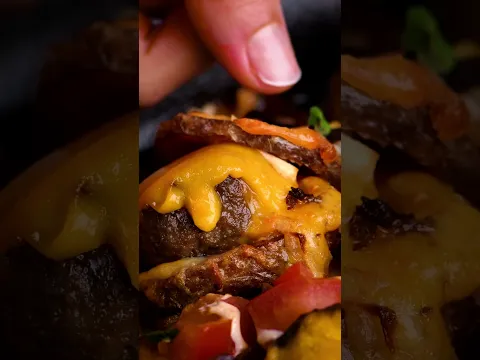 0:46
0:46Get a load of these cheeseburger fries 🍔🍟
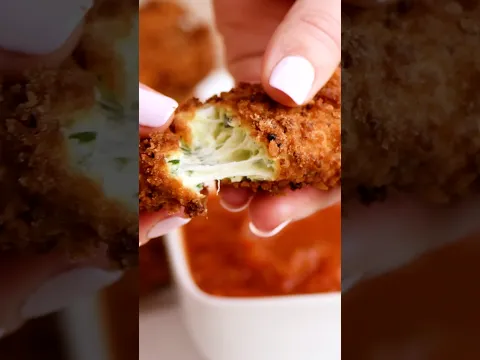 0:53
0:53The crunchy and cheesy goodness of a mozzarella stick combined with spinach artichoke dip 🧀✨
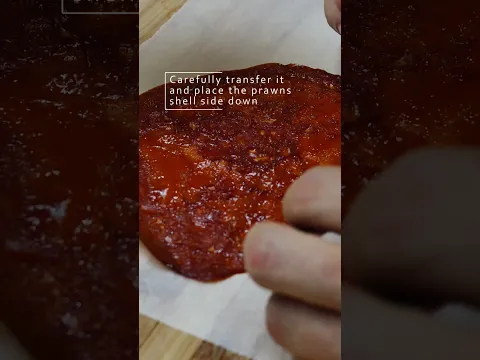 0:38
0:38Edible Fossil Chips Made From Prawn and Duck
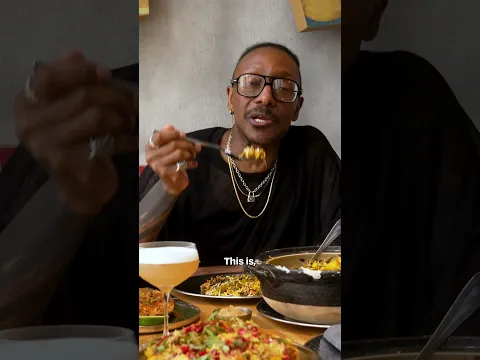 1:20
1:20Why Gregory Gourdet loves the Biryani at NYC's Dhamaka #nyc #eater
 0:18
0:18curry rice is easily my go-to choice for lunch!!🍛 #singapore #sgfoodie #hawkerfood #affordable
 9:00
9:00