Authentic Pad Kra Pao Easy Thai Recipe From Scratch!
15 August 2026 · 1:04 watch
Advertisement
Learn the essential high-heat wok techniques and ingredient balances required to master authentic Pad Kra Pao, the iconic Thai street food classic, featuring advice from chef James Makinson.
Key takeaways
- Prioritise holy basil over standard sweet basil to deliver the authentic, peppery anise profile of true street-style Pad Kra Pao.
- Cook on high wok heat to quickly sear the minced protein and glaze it with the savoury-sweet sauce without boiling the meat.
- Add the basil leaves at the very end of cooking, immediately turning off the heat to preserve their volatile aromatic oils.
- Serve with a traditional Kai Dao, a deep-fried egg featuring lacy, crispy edges and a completely runny yolk.
In this editorial breakdown, professional chef James Makinson deconstructs the classic Thai street food staple, Pad Kra Pao (Thai basil stir-fry). For chefs looking to refine their high-speed wok station or introduce an authentic, high-margin dish to their casual dining menu, this recipe offers essential lessons in flavour balance, speed, and heat management. Pad Kra Pao relies on rapid cook times and intense heat, making preparation and mise en placeMise en PlaceFrench for "everything in its place"; the preparation and organisation completed before service. critical to preventing the delicate herbs from burning while ensuring the meat achieves the correct texture.
High-Heat Wok Technique and Flavour Balance
The foundation of an authentic Pad Kra Pao lies in the explosive flavour base created by pounding or finely mincing fresh chillies and garlic. Chef Makinson highlights the importance of stir-frying this paste in a roaring hot wok just until fragrant, avoiding prolonged cooking which turns the garlic bitter. The protein—commonly minced chicken or pork—is then flashed in the wok, absorbing the aromaticsAromaticsIngredients such as onions, garlic, celery, herbs and spices used to build flavour in a dish..
A key pitfall in westernised versions is the overcomplication of the sauce. Traditional street-style preparation requires a simple, savoury-sweet balance of soy sauce, dark soy sauce, fish sauce, and oyster sauce. The sauce must glazeGlazeA shiny coating applied to food to add flavour, colour, moisture or visual finish. the meat rather than pool at the bottom of the plate. Crucially, the star ingredient, holy basil (or Thai sweet basil as a substitute), is tossed in at the very end. The heat must be turned off immediately; the residual heat of the wok is sufficient to wilt the leaves, releasing their signature anise-like aroma without cooking out their fresh flavour.
Nailing the Crispy Fried Egg (Kai Dao)
No authentic Pad Kra Pao is complete without its traditional partner: a wok-fried egg. This is not a gently poached or shallow-fried breakfast egg. Instead, it requires deep-frying in hot oil to create blistered, lacy, and crispy edges while keeping the yolk rich and runny.
Achieving this texture requires the oil to be shimmering hot before sliding the egg in. Chefs must spoon the hot oil over the egg white to cook it rapidly while leaving the yolk untouched. This contrast of textures—the crunch of the egg white, the runny richness of the yolk, the savoury heat of the stir-fry, and the clean base of jasmine rice—is what defines the dish.
Questions from the pass
Frequently asked questions
What is the traditional herb used in Pad Kra Pao?
The traditional herb used in authentic Pad Kra Pao is holy basil, which provides a unique peppery, clove-like flavour profile. While Thai sweet basil can be used as a substitute in western kitchens, it lacks the signature sharp bite that defines this classic street food dish.
How do you achieve the correct sauce consistency for Pad Kra Pao?
The correct consistency for Pad Kra Pao is a dry, glossy glaze that coats the minced protein rather than a pool of liquid. This is achieved by using a high-heat reduction of soy sauce, fish sauce, and oyster sauce directly in the wok, allowing the sugars to caramelise quickly.
What is the secret to a perfect Thai-style fried egg (Kai Dao)?
The secret to a perfect Kai Dao is deep-frying the egg in very hot oil inside a wok. The oil must be hot enough to instantly blister and bubble the egg whites, creating crispy, lacy edges while keeping the yolk perfectly runny.
At what stage of the stir-fry should the basil be added?
Holy basil should be added at the very end of the stir-fry process, immediately after turning off the heat source. The residual heat of the pan and the cooked meat is enough to gently wilt the leaves without destroying their delicate, aromatic essential oils.
Main ingredients
Original video by Chef James Makinson. This overview is written independently by The Chef's Circle editorial desk — watch the original on YouTube.
Keep reading
Related from the Community
 0:26
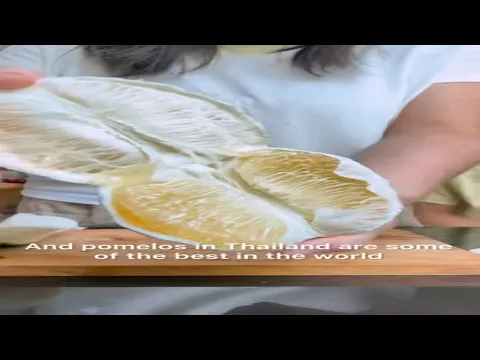
0:26Have you ever had a Thai pomelo?
 0:41
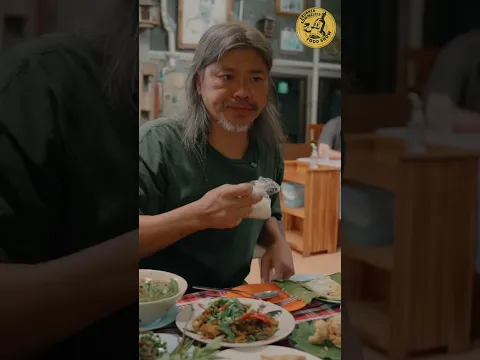
0:41A Thai Chef's Thoughts on Eating with Your Hands
 0:48
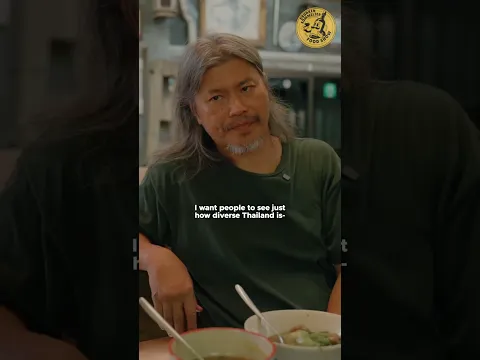
0:48MICHELIN STAR THAI CHEF ON THAILAND'S LESSER-KNOWN FOOD DIVERSITY
 1:53
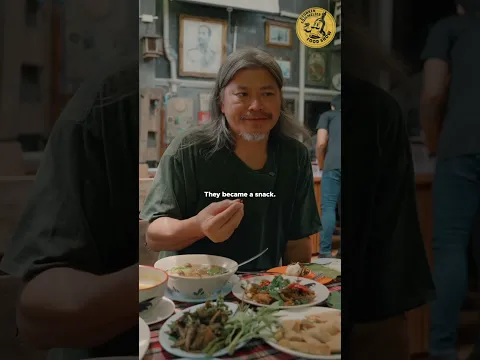
1:53Eating Winged-Termites in Northern Thailand
 16:27
16:27Satay Chicken Meatballs
 5:16
5:16