Pro Chef Reacts.. To Uncle Roger SHOCKED By Dollar Store Pad Thai
15 August 2026 · 19:27 watch
Advertisement
A professional chef's breakdown of the viral "Dollar Store Pad Thai" controversy, examining the culinary pitfalls of extreme budget substitutions like spaghetti for rice noodles, and how to maintain authentic flavor profiles on a budget.
Key takeaways
- Substitution limits: Never substitute durum wheat pasta for rice noodles, as the gluten structure and starch absorption profiles are fundamentally incompatible with light stir-fry sauces.
- Preserve the flavor trifecta: Authentic Pad Thai requires the balance of sour (tamarind), sweet (palm sugar), and salty (fish sauce); substituting these ruins the dish's identity.
- Thermal management: High heat is essential to prevent starch buildup and ensure ingredients sear rather than stewing in a domestic pan.
In the modern digital landscape, culinary entertainment often collides with classical kitchen standards. When Chef James Makinson reacts to Uncle Roger's shock over a "Dollar Store Pad Thai," the exercise transcends mere internet comedy. For professional chefs, it serves as an excellent case study in ingredient functionality, cultural respect, and the limits of low-cost substitution. The central lesson is clear: while budget constraints are a reality in many commercial and domestic kitchens, compromising on fundamental structural ingredients alters the very identity of a dish.\n\n## The Chemistry of Noodle Substitutes\nThe most egregious error highlighted in the critique is the substitution of dried Italian spaghetti for traditional flat rice noodles. From a technical perspective, these two starches behave entirely differently in a stir-fry. Durum wheat pasta relies on gluten development, resulting in a dense, chewy texture that demands a different style of emulsion to coat it. Conversely, rice noodles are gluten-free and absorb liquids readily, gelatinising to create a delicate chew that integrates seamlessly with a light tamarind-based glazeGlazeA shiny coating applied to food to add flavour, colour, moisture or visual finish.. Substituting wheat pasta into a wok-style dish leads to an overly heavy, clumping texture that fails to release the clean aromas typical of Thai cookery.\n\n## Balancing Flavours Without Compromise\nAuthentic Pad Thai relies on a precise balance of sweet, sour, and salty notes—traditionally achieved through palm sugar, tamarind pulp, and fish sauce. Budget-focused recipes often swap these out for refined white sugar, vinegar, or soy sauce. Whilst acidity and sweetness can be mimicked, the complex umamiUmamiThe savoury taste associated with compounds such as glutamate and certain nucleotides. of fish sauce and the fruity depth of tamarind are difficult to replicate cheaply. A professional approach to cost-saving should never strip the dish of its defining aromaticsAromaticsIngredients such as onions, garlic, celery, herbs and spices used to build flavour in a dish.; instead, chefs must look to scale portion sizes of premium ingredients or source bulk alternatives rather than resorting to non-traditional pantry staples that muddy the clean flavour profile.\n\n## Temperature Control and Moisture Pitfalls\nA common failure point when adapting street-food classics is the cooking vessel and temperature. Authentic stir-frying requires intense, dry heat to achieve wok heiWok HeiThe distinctive smoky, roasted flavour developed when food is cooked rapidly in a very hot wok. (the breath of the wok), caramelising sugars instantly and keeping vegetables crisp. Home-style budget setups often lack this thermal mass, turning the stir-fry into a braiseBraiseTo brown food and then cook it slowly in a small quantity of liquid, usually covered.. When heavy wheat noodles and excess moisture are introduced to a cool pan, the starch leeches out, resulting in a sticky, unappealing mass rather than a vibrant, distinct stir-fry.
Questions from the pass
Frequently asked questions
Why can you not use spaghetti instead of rice noodles in a stir-fry?
Spaghetti is made from durum wheat, which contains gluten and behaves differently under dry wok heat. It creates a dense, heavy texture that does not absorb light stir-fry sauces effectively, leading to a clumpy, starchy dish rather than the clean, chewy finish provided by rice noodles.
What is the best way to replicate tamarind paste on a tight budget?
While authentic tamarind pulp is highly recommended, a blend of lime juice and a touch of brown sugar can approximate the sour-sweet profile in an emergency. However, commercial kitchens should source bulk tamarind concentrate to maintain the depth and authenticity of the dish economically.
How does wok heat affect the starch in a noodle dish?
High heat flash-fries the noodles, setting the exterior starch and preventing them from releasing excess moisture. If cooked at a low temperature, the starch leeches into the pan, creating a sticky, gummy coating that ruins the individual definition of the noodles.
Can you make a high-quality Pad Thai using budget-friendly proteins?
Yes, utilizing firm tofu and eggs is both traditional and highly cost-effective. These proteins absorb the wok flavours beautifully without requiring expensive seafood or meats, making them the perfect choice for keeping ingredient costs low.
Original video by Chef James Makinson. This overview is written independently by The Chef's Circle editorial desk — watch the original on YouTube.
Keep reading
Related from the Community
 0:26
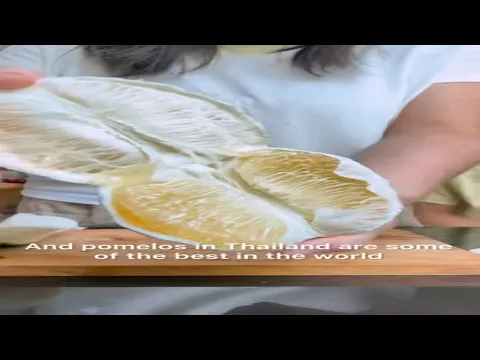
0:26Have you ever had a Thai pomelo?
 0:41
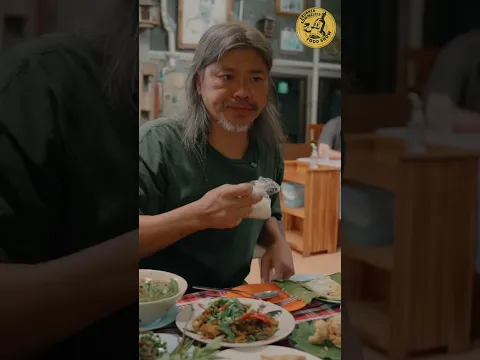
0:41A Thai Chef's Thoughts on Eating with Your Hands
 0:48
0:48MICHELIN STAR THAI CHEF ON THAILAND'S LESSER-KNOWN FOOD DIVERSITY
 1:53
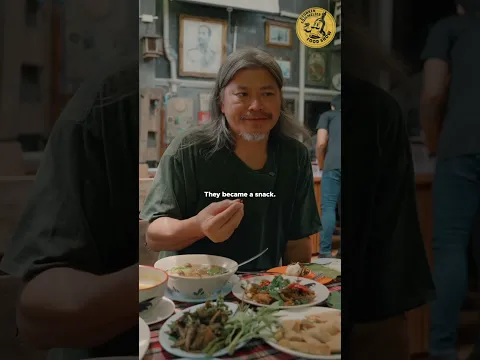
1:53Eating Winged-Termites in Northern Thailand
 16:27
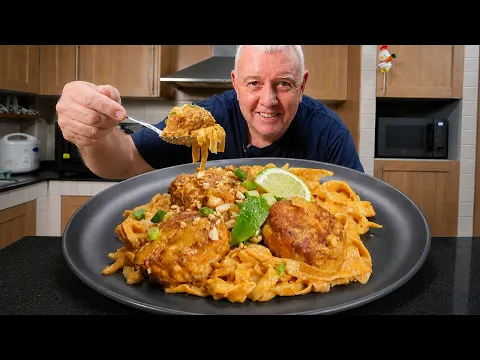
16:27Satay Chicken Meatballs
 5:16
5:16