Authentic Thai Fried Rice Made Like Thailand!
15 August 2026 · 1:01 watch
Advertisement
Chef James Makinson breaks down the essential techniques behind authentic Thai fried rice, focusing on high-heat wok control and traditional seasoning balance.
Key takeaways
- Use dry, chilled, day-old jasmine rice to prevent clumping and ensure individual grain definition.
- Maintain maximum wok heat to vaporise moisture instantly and develop a smoky street-style finish.
- Favour fish sauce and light soy over dark soy to preserve the clean, golden colour and aromatic profile.
- Incorporate eggs rapidly to form fine, delicate ribbons that coat the grains evenly.
In this editorial analysis, we examine Chef James Makinson’s masterclass on executing authentic Thai fried rice (Khao Pad) in the style of Thailand's street food vendors. Inspired by traditional high-heat cooking techniques, this guide highlights the stark differences between authentic street-food preparation and Westernised adaptations. Rather than a heavy, soy-drenched dish, true Thai fried rice is characterised by its light, aromatic, and beautifully separated grains that boast a delicate balance of savoury and umamiUmamiThe savoury taste associated with compounds such as glutamate and certain nucleotides. notes.\n\n## Mastering High-Heat Wok Control\n\nTo replicate the classic street-vendor style, professional kitchens must focus on temperature management and precise timing. The foundation of a successful Thai fried rice relies on dry, pre-cooked jasmine rice—ideally day-old and chilled. When introduced to a roaring hot, seasoned carbon steel wok, this low-moisture rice allows the grains to searSearTo expose food to high heat to develop a browned exterior. individually rather than steam and clump together. Speed is of the essence; the chef must toss the ingredients continuously to distribute the heat evenly and prevent burning. The egg should be scrambled rapidly in the hot oil, creating delicate, golden ribbons that coat the rice grains rather than forming large, rubbery chunks. Maintaining maximum burner heat throughout the brief cooking window ensures the signature smoky finish.\n\n## Balancing the Thai Flavour Profile\n\nAuthentic Thai fried rice relies on a minimal yet highly impactful selection of seasonings. Unlike Chinese variations that lean heavily on dark soy and sesame oil, the primary seasoning agent here is premium fish sauce, which provides a deep, briny, and complex saltiness. This is balanced with light soy sauce and a subtle pinch of sugar to round out the sharp edges. Fresh aromaticsAromaticsIngredients such as onions, garlic, celery, herbs and spices used to build flavour in a dish., specifically minced garlic and finely sliced spring onions, are flash-fried in the oil to build a fragrant base. Crucially, the final dish must remain dry; the liquid seasonings must caramelise and evaporate almost instantly, coating the dry grains rather than pooling at the bottom of the wok. This meticulous balance results in a clean, vibrant dish that serves as the perfect canvas for fresh lime and Thai chillies.
Questions from the pass
Frequently asked questions
What type of rice yields the best texture for Thai fried rice?
Jasmine rice is the industry standard for authentic Thai fried rice due to its delicate aroma. To ensure the correct dry texture, chefs must use pre-cooked, day-old rice that has been thoroughly chilled in the refrigerator, which prevents the grains from sticking or breaking during high-heat tossing.
How does the seasoning profile of Thai fried rice differ from Chinese styles?
Thai fried rice relies primarily on premium fish sauce and light soy sauce to achieve a bright, salty-umami flavor, often balanced with a tiny pinch of sugar. It avoids the heavy use of dark soy sauce or toasted sesame oil typical of Chinese versions, keeping the rice light and golden.
What is the role of high heat in preparing authentic Khao Pad?
Extremely high heat is essential to achieve 'wok hei' (the breath of the wok). This intense temperature flash-fries the rice, caramelises the seasoning sauces instantly, and prevents the ingredients from steaming, resulting in dry, individually seared grains with a subtle smoky undertone.
How should eggs be integrated into the wok for the best results?
Eggs should be cracked directly into a cleared space in the hot wok and scrambled rapidly in the oil. Once they are partially set but still soft, they are tossed with the rice, allowing the egg to coat the grains in delicate ribbons rather than forming large, rubbery chunks.
Main ingredients
Original video by Chef James Makinson. This overview is written independently by The Chef's Circle editorial desk — watch the original on YouTube.
Keep reading
Related from the Community
 0:26
0:26Have you ever had a Thai pomelo?
 0:41
0:41A Thai Chef's Thoughts on Eating with Your Hands
 0:48
0:48MICHELIN STAR THAI CHEF ON THAILAND'S LESSER-KNOWN FOOD DIVERSITY
 1:53
1:53Eating Winged-Termites in Northern Thailand
 16:27
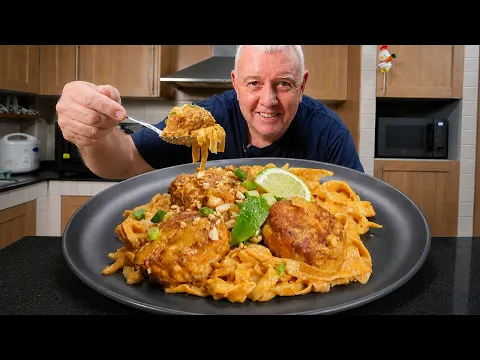
16:27Satay Chicken Meatballs
 5:16
5:16