Cherry Clafoutis, Custard Pie (Clafoutis aux Cerises) | Chef Jean-Pierre
15 August 2026 · 22:30 watch
Advertisement
Master the rustic elegance of the French classic, Clafoutis aux Cerises. Chef Jean-Pierre demonstrates how to achieve the perfect crustless custard pie with whole cherries and Tahitian vanilla.
Key takeaways
- Understand the delicate balance of egg, cream, and flour to achieve a custard-like texture without rubberiness.
- Learn the trade-offs between using pitted and whole-stone cherries for optimal flavour extraction versus safe dining room service.
- Master temperature control to prevent the egg-rich batter from curdling or weeping during the bake.
- Utilise a buttered and sugared baking dish to create a caramelised exterior crust that compensates for the lack of pastry.
The Crustless Classic of French Bistro Pastry
For the professional kitchen, the classic French clafoutis aux cerises represents the pinnacle of high-yield, low-labour dessert preparation. Straddling the line between a delicate baked custardCustardA preparation thickened primarily by eggs and/or starch, generally based on milk or cream. and a tender pancake, this traditional Limousin sweet requires no pastry rolling, blind baking, or complex laminationLaminationFolding butter through dough to create alternating layers, as used for croissants and puff pastry.. Chef Jean-Pierre demonstrates how this rustic preparation relies entirely on the quality of its core components: seasonal cherries suspended in a rich, egg-and-cream batter. By eliminating the pastry crust altogether, chefs can deliver an elegant, gluten-adaptable dessert that minimises prep time while maximising the natural sweetness of summer stone fruits.
Mastering the Custard-to-Batter Ratio
The core technique of a successful clafoutis lies in achieving a texture that is set yet custardy, avoiding any rubberiness or floury heaviness. A thin, crepe-like batter is whisked together using eggs, cream, sugar, and flour, scented heavily with quality Tahitian vanilla. When baked, the batter rises slightly around the cherries, creating a soft, souffléed perimeter with a dense, moist, and custardCustardA preparation thickened primarily by eggs and/or starch, generally based on milk or cream.-like centre. The cherries release their juices during baking, pocketing the batter with pockets of rich fruit syrup. Preparing the baking dish correctly by buttering and coating it with sugar is essential, as this creates a beautifully caramelised outer crust.
Service Notes and Culinary Pitfalls
One of the major decisions for a commercial kitchen is whether to pit the cherries. Traditionally, the stones are left intact to release a subtle almond-like flavour (due to natural compounds in the pit) and to prevent the juices from bleeding excessively into the batter. However, modern service standards and safety considerations often dictate using pitted black cherries. To ensure a perfect bake, temperature control is paramount. Over-baking will cause the eggs to curdle, resulting in a weeping, rubbery texture, while under-baking will leave the centre wet and structurally unstable. It is best served warm or at room temperature, finished with a simple dusting of icingIcingA sweet coating or decoration applied to cakes, pastries and other desserts. sugar.
Questions from the pass
Frequently asked questions
Should I pit the cherries when making a professional clafoutis?
Traditionally, cherries are left unpitted because the stones contain compounds that infuse the custard with a subtle almond aroma during baking. However, for modern restaurant service and safety, it is highly recommended to pit the cherries, compensating for the lost almond notes with a drop of high-quality almond extract or amaretto.
What is the ideal texture of a correctly baked clafoutis?
A perfect clafoutis should have a dual texture: a slightly browned, caramelised exterior and a soft, delicate, and velvety custard-like interior. It should resemble a cross between a thick pancake and a set custard, holding its shape when sliced warm but remaining incredibly tender and moist on the palate.
How do I prevent the egg batter from becoming rubbery?
Rubbery texture is caused by over-baking or using too much flour in the base. To avoid this, keep the flour ratio minimal and bake the clafoutis just until the centre is set but still retains a slight wobble. Monitoring the internal temperature can help prevent the egg proteins from over-coagulating.
Can clafoutis batter be prepared in advance for service?
Yes, you can prepare the batter several hours in advance and store it in the refrigerator. In fact, resting the batter allows the flour gluten to relax and the starch granules to swell, which often results in a smoother, more uniform and delicate custard texture when baked.
Original video by Chef Jean-Pierre. This overview is written independently by The Chef's Circle editorial desk — watch the original on YouTube.
Keep reading
Related from the Community
 38:18
38:18These May Be the Most Delicious Potatoes in the World!
 1:04
1:04Pourquoi mes soupes manquent de profondeur
 17:04
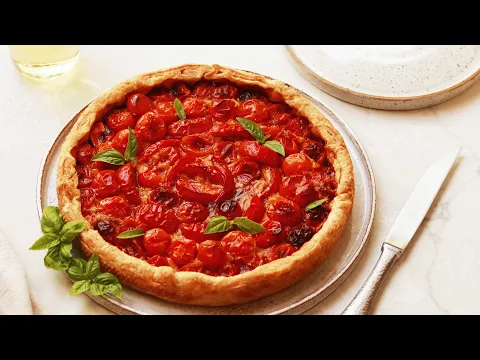
17:04Tomato Tart with Caramelized Onions and Gruyere (2.0)
 0:55
0:55The Easiest Way to Thicken Any Sauce
 0:41
0:41There are Only 5 Ingredients in This Choux Pastry
 59:48
59:48