This is Easier than Apple Pie 🍎
23 September 2026 · 0:26 watch
Advertisement
Master the rustic apple galette, a streamlined, free-form alternative to traditional apple pie that eliminates soggy bottoms and cuts down on prep time.
Key takeaways
- Free-form assembly eliminates the need for pie tins and blind baking, significantly reducing prep times.
- The open-centre design allows steam to escape, preventing the soggy bottoms common in deep-dish pies.
- Keep pastry butter cold and handle dough minimally to maintain a light, flaky crust.
- Toss apples with a light starch and sugar mixture to bind excess juices during the bake.
In high-volume professional kitchens, traditional apple pie can be a labour-intensive dessert that slows down the pastry station during prep. The apple galette offers a streamlined alternative that delivers the same rustic appeal and deep, caramelised fruit flavour with a fraction of the preparation time. By stripping away the need for precise pie dishes, blind baking, and complex lattice work, this free-form tart allows chefs to focus entirely on texture, temperature control, and fruit quality.\n\n## The Free-Form Pastry Advantage\nAt the heart of the galette’s appeal is its rustic, hand-folded construction. Rather than fitting dough into a tin, the pastry is rolled flat on parchment, filled in the centre, and the edges are folded over to frame the fruit. This open-centre design not only reduces prep time but also prevents the soggy bottom that frequently plagues deep-dish fruit pies. The steam from the baking apples escapes easily through the exposed top, ensuring the sliced fruit softens and concentrates its sugars, while the surrounding crust bakes to a crisp, golden finish.\n\nTo achieve a truly flaky crust, pastry handling is paramount. Keep the butter cold and avoid overworking the dough to prevent gluten development. The pastry must be chilled thoroughly before rolling to keep the fat from melting, ensuring distinct layers during the bake.\n\n## Managing Moisture and Texture\nA major pitfall when baking with fresh apples is excess moisture, which can leach out and ruin the pastry base. Toss the sliced apples with sugar, a touch of starch, and spices just before assembly. This helps bind the juices into a jammy, cohesive filling during the bake rather than letting them run. Spreading a thin barrier, such as ground almonds or a light dusting of flour and sugar, directly onto the pastry base before layering the fruit can also absorb any excess juices.\n\nBake the galette on a hot, heavy-duty baking sheet lined with parchment paper. This facilitates rapid heat transfer to the bottom crust, ensuring a crisp underbelly while giving the outer pastry fold a deep golden colour. Serve warm with vanilla ice cream or a splash of cold pouring cream to contrast the warm, spiced apples.
Questions from the pass
Frequently asked questions
Which apple varieties work best for a professional galette?
Choose firm, tart apples such as Granny Smith or Braeburn that hold their shape and structure during baking. Mixing sweet and tart varieties adds complexity to the final dessert flavour profile, preventing it from tasting flat or overly sweet.
How do you prevent the bottom of the galette from getting soggy?
Prevent soggy bottoms by baking on a preheated heavy-duty sheet pan and dusting the dough base with a thin layer of flour, sugar, or ground nuts before adding the fruit. This barrier absorbs excess juices released by the apples.
Can I prepare and shape the galette ahead of service?
Yes, you can assemble and shape the galette entirely, then chill or freeze it on its baking sheet before baking. Bake straight from the freezer, adding a few extra minutes to the total oven time for a fresh-baked finish.
Why is the open-centre design of a galette advantageous?
The open-centre design allows moisture and steam to escape freely during the baking process. This concentrates the apple sugars into a rich, jammy glaze and ensures the crust crisps up beautifully without trapping steam.
Original video by Sugar Spun Run. This overview is written independently by The Chef's Circle editorial desk — watch the original on YouTube.
Keep reading
Related from the Community
 38:18
38:18These May Be the Most Delicious Potatoes in the World!
 1:04
1:04Pourquoi mes soupes manquent de profondeur
 17:04
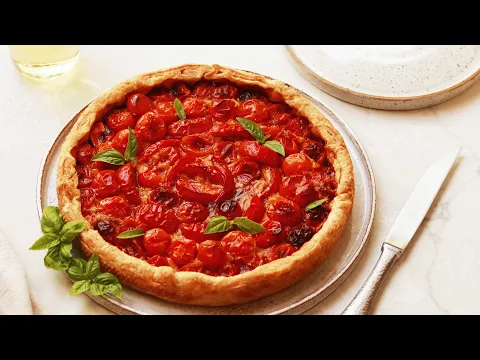
17:04Tomato Tart with Caramelized Onions and Gruyere (2.0)
 0:55
0:55The Easiest Way to Thicken Any Sauce
 0:41
0:41There are Only 5 Ingredients in This Choux Pastry
 59:48
59:48