Genovese Beef Ragu with Pasta | Chef Jean-Pierre
15 August 2026 · 22:16 watch
Advertisement
Master the art of Neapolitan Genovese beef ragu with Chef Jean-Pierre's guide to slow-braising onions and beef to sweet, melting perfection.
Key takeaways
- Patience is key: the onions must slow-cook until they melt into a sweet, amber jam to define the authentic Genovese flavour.
- Use collagen-rich beef cuts to ensure the meat becomes tender and the braise develops a rich, naturally thick gelatinous body.
- Utilise a heavy-bottomed Dutch oven to distribute heat evenly and prevent scorching over hours of low-temperature simmering.
- Finish the dish by tossing pasta directly in the sauce with starchy pasta water to emulsify and coat the pasta perfectly.
The Neapolitan classic, ragù alla Genovese, is a masterclass in culinary patience, demonstrating how humble ingredients can be transformed through slow-cooking techniques. Despite its name, this rich sauce is a cornerstone of Campania's gastronomic heritage. In this video, Chef Jean-Pierre guides professionals and home cooks alike through the slow-braising process required to build a deep, savoury foundation where onions and beef melt into a singular, luxurious sauce. \n\n## The Chemistry of Slow-Caramelised Onions\nAt the heart of a successful Genovese ragu is the breakdown of a massive volume of onions. Chefs must understand that this is not a quick sauté; it is a slow, transformative braiseBraiseTo brown food and then cook it slowly in a small quantity of liquid, usually covered.. As the onions release their moisture, they gently stew the beef. Over several hours of low-heat cooking, the water evaporates, and the natural sugars in the onions begin to caramelise. This creates a sweet, deeply amber-coloured base that coats the back of a spoon. The critical pitfall to avoid here is excessive heat, which can cause the onions to scorch at the edges, introducing a bitter note that ruins the delicate balance of the finished sauce. \n\n## Managing Collagen and Building Texture\nChoosing the right cut of beef is vital for this long-cook technique. Tougher braising cuts rich in collagen are ideal, as the slow-braising process in a heavy-bottomed Dutch oven breaks down the tough connective tissue into gelatin. This gelatin naturally thickens the sauce, giving it a velvety mouthfeel without the need for flour or external thickeners. Chef Jean-Pierre highlights the importance of using high-quality cookware, such as a cast-iron Dutch oven, to distribute heat evenly and prevent hot spots during the lengthy simmer. \n\n## Deglazing and Finishing the Emulsion\nTo lift the depth of flavour, deglazing the pan is a crucial step that captures the fondFondThe browned residue left in a pan after searing or roasting.—the caramelised proteins stuck to the bottom of the Dutch oven. Introducing a liquid, such as a splash of white wine or stockStockA liquid made by simmering bones, meat, fish, vegetables or aromatics., allows these concentrated flavours to dissolve back into the sauce. When finishing the dish, the technique of tossing cooked pasta directly into the reduction is paramount. This allows the pasta to absorb the rich flavours of the beef and onion emulsion, rather than merely sitting beneath it. A splash of starchy cooking water can be incorporated to adjust the consistency, ensuring the sauce clings perfectly to the pasta before it is garnished with sharp Pecorino Romano.
Questions from the pass
Frequently asked questions
What cut of beef is best suited for Genovese beef ragu?
Collagen-rich braising cuts such as beef chuck, shin, or short rib are ideal for Genovese beef ragu. These tough cuts contain connective tissue that breaks down during the slow-cooking process, turning into gelatin. This gelatin yields incredibly tender meat while naturally thickening the onion-rich sauce into a velvety, luxurious emulsion.
Why does Genovese ragu rely so heavily on onions?
Traditional Genovese ragu is an onion-based sauce rather than a tomato-based one. The massive volume of onions stews the beef gently, slowly releasing moisture before caramelising into a sweet, rich, and deeply complex sauce. This slow chemical transformation provides the signature sweetness and body that characterises this historic Neapolitan dish.
How do you prevent the onions from burning during the long simmer?
To prevent scorching, cook the ragu over very low heat and use a heavy-bottomed Dutch oven for even heat distribution. Stir the mixture periodically, especially as the moisture evaporates and the sugars begin to caramelise. If the mixture starts looking too dry or begins to stick, add a small splash of water or stock.
Can you make Genovese beef ragu ahead of time for service?
Yes, Genovese beef ragu actually improves in flavour when made a day in advance. Preparing it ahead allows the complex sweetness of the caramelised onions and the savoury beef notes to meld together in the fridge. Gently reheat the sauce, adding a splash of pasta water to restore its glossy emulsion before serving.
Main ingredients
Original video by Chef Jean-Pierre. This overview is written independently by The Chef's Circle editorial desk — watch the original on YouTube.
Keep reading
Related from the Community
 54:10
54:10POV: Head Chef at a Italian Restaurant
 10:40
10:40I Tried a MICHELIN STARRED PASTA Restaurant
 47:17
47:17POV: INSIDE A BUSY ITALIAN RESTAURANT DURING DINNER SERVICE
 16:40
16:40The RESTAURANT That Made HISTORY for Me (105-Year-Old Wine & The Best Pasta Dish Ever)
 2:59
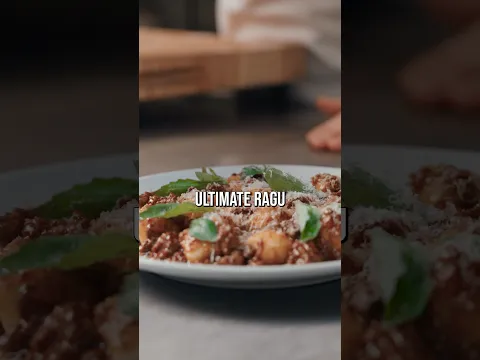
2:59The Best Ragu You’ll Ever Make
 19:42
19:42