Philadelphia's Incredible Italian Food | No Passport Required with Marcus Samuelsson | Full Episode
15 August 2026 · 54:18 watch
Advertisement
Join chef Marcus Samuelsson in Philadelphia as he explores the vibrant evolution of regional Italian traditions and classic Italian-American cuisine, offering valuable insights for modern chefs on balancing culinary heritage with innovation.
Key takeaways
- Understand the distinction and culinary evolution between regional Italian dishes and Italian-American classics.
- Leverage strong relationships with historic local purveyors to secure top-tier regional ingredients.
- Maintain the integrity of time-honoured techniques like hand-shaping pasta and slow-braising sauces.
- Innovate by refining presentations and balancing flavours while respecting ancestral culinary narratives.
In this episode of No Passport Required, host and chef Marcus Samuelsson explores the rich culinary landscape of Philadelphia's Italian community. For professional chefs, this documentary serves as an inspiring masterclass in how culinary heritage is preserved, adapted, and modernised across generations. From historic red-sauce establishments in the Italian Market to contemporary regional dining, the Philadelphia scene demonstrates how migration, community, and local ingredients shape a city's gastronomic identity.
Preserving Regional Identity Versus Adaptation
A core lesson for chefs is the tension and harmony between authentic regional Italian cooking and its Italian-American evolution. Samuelsson highlights how early immigrants adapted classic recipes from regions like Campania, Sicily, and Abruzzo to accommodate the ingredients available in Pennsylvania. Chefs will observe how traditional techniques—such as hand-shaping fresh pasta dough or slow-simmering rich rags—remain the foundations of these kitchens. Understanding the distinction between original regional profiles (which often rely on light, minimalist preparations) and the robust, garlic-and-herb-heavy profiles of Italian-American classics is essential for intelligent menu development.
The Power of Community and Sourcing
Beyond the plate, the programme emphasises the structural ecosystem that supports a thriving culinary community. For a kitchen to maintain high standards, relationships with local purveyors—including butchers, cheesemakers, and specialty importers—are paramount. The episode illustrates how long-standing family businesses in Philly's historic Italian Market provide the essential building blocks for local chefs. This hyper-local sourcing strategy ensures that ingredients like fresh ricotta, cured meats, and stone-milled flour are of the highest calibre, directly impacting the final plate's flavour and texture.
Modernising Tradition Without Losing Soul
For contemporary culinary professionals, the ultimate takeaway is how to innovate without erasing history. The featured chefs demonstrate that modernising Italian cuisine does not require abandoning traditional principles. Instead, it involves utilising precise modern techniques, refining presentation, and curating lighter, balanced flavour profiles while respecting the time-honoured methods of pasta production and slow braising. By focusing on the narrative behind each dish, chefs can create menus that resonate emotionally with diners.
Questions from the pass
Frequently asked questions
How does regional Italian cuisine differ from Italian-American classics?
Regional Italian cuisine focuses on minimalist, ingredient-driven dishes specific to Italy's diverse provinces, whereas Italian-American cuisine adapted these traditions in the US, using more abundant meats, garlic, and heavy sauces. Chefs must understand this distinction to accurately represent historical context on their menus.
Why is ingredient sourcing critical to Philadelphia's Italian food heritage?
Sourcing is critical because the authenticity of Italian-American cooking relies heavily on specific, high-quality staples like fresh cheeses, cured pork, and high-protein flour. Establishing close relationships with local heritage importers and producers ensures consistency, superior flavour, and a connection to the community's history.
How can modern chefs successfully update traditional Italian recipes?
Chefs can update traditional recipes by refining plating aesthetics, using modern cooking techniques to improve texture consistency, and lightening heavy components without compromising the original flavour profile. Balancing innovation with respect for ancestral methods keeps the dishes relevant and deeply satisfying.
What role does pasta technique play in defining a regional menu?
Pasta technique defines a regional menu by showcasing specific dough hydration levels, flour types, and shapes unique to certain Italian areas. Masterful execution of hand-shaped pasta, such as orecchiette or cavatelli, signals culinary authority and connects diners directly to the dish's geographic origins.
Original video by PBS Food. This overview is written independently by The Chef's Circle editorial desk — watch the original on YouTube.
Keep reading
Related from the Community
 54:10
54:10POV: Head Chef at a Italian Restaurant
 10:40
10:40I Tried a MICHELIN STARRED PASTA Restaurant
 47:17
47:17POV: INSIDE A BUSY ITALIAN RESTAURANT DURING DINNER SERVICE
 16:40
16:40The RESTAURANT That Made HISTORY for Me (105-Year-Old Wine & The Best Pasta Dish Ever)
 2:59
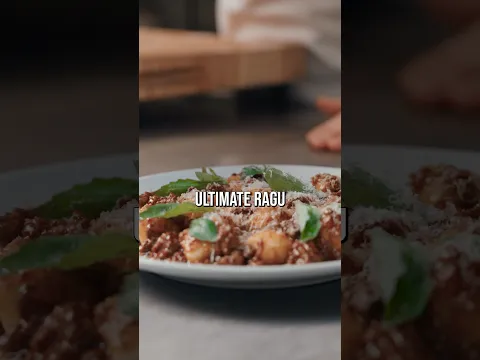
2:59The Best Ragu You’ll Ever Make
 19:42
19:42