The crunchy and cheesy goodness of a mozzarella stick combined with spinach artichoke dip 🧀✨
17 September 2026 · 0:53 watch
Advertisement
Discover how to merge a classic spinach artichoke dip with a crispy mozzarella stick, focusing on moisture control, structural integrity, and double-breading techniques for a high-margin bar snack.
Key takeaways
- Thoroughly squeeze-dry the spinach and artichokes to prevent steam blowouts in the fryer.
- Use a low-moisture mozzarella base mixed with the dip ingredients to maintain structural shape.
- Double-bread the portions while frozen to build a robust, leak-proof barrier.
- Keep the breaded sticks frozen until the exact moment they are dropped into the hot oil.
Combining two high-performing bar snacks into a single, cohesive bite is an excellent way to refresh a casual dining or pub menu. This hybrid concept takes the structural appeal of a classic mozzarella stick and fills it with the rich, herbaceous flavours of a spinach and artichoke dip. For a professional kitchen, this is a smart, high-margin starter that can be prepped ahead, frozen, and fried to order during busy services.\n\n## Controlling Moisture and Structural Integrity\nThe primary challenge when merging spinach artichoke dip with melted cheese is moisture control. Spinach and artichoke hearts carry exceptionally high water content. If this moisture is not managed before assembly, it will turn to steam in the deep fryer, causing the breading to rupture and the cheese to leak into the oil. Chefs must thoroughly squeeze-dry the cooked spinach and drain the artichokes completely before folding them into the cheese base. To maintain the structural rigidity required for a stick format, the mixture needs a firm binder—typically a combination of low-moisture mozzarella for stretch and a firmer cheese or cream cheese base to hold the green ingredients in place. Shaping the mixture and freezing it solid before the breading stage is a critical step to ensure the portion retains its shape during handling.\n\n## The Breading and Frying Protocol\nA standard single-coat breading will not suffice for a filling this wet and molten. A double-crust technique is required to seal the filling completely. Pass the frozen cheese and vegetable portions through seasoned flour, an egg wash, and fine breadcrumbs, then repeat the egg and breadcrumb steps to form an impermeable shell. Once breaded, the sticks must return to the freezer. Frying these directly from frozen at a standard frying temperature ensures that the exterior turns golden and crisp in the exact window of time it takes for the frozen core to melt into a rich, gooey centre. Serve immediately alongside a bright, acidic dipping sauce like a rustic marinara or a lemon-herb aioliAioliA garlic-based emulsion traditionally made with olive oil, associated with Mediterranean cuisine. to cut through the dairy fat.
Questions from the pass
Frequently asked questions
How do you prevent the spinach artichoke filling from leaking during deep frying?
You prevent leaks by thoroughly removing moisture from the vegetables and using a double-breading technique. Wet ingredients create steam which ruptures the coating, so squeezing the spinach dry is vital.
What type of mozzarella is best for this hybrid recipe?
Low-moisture block mozzarella is the best choice for this preparation. Fresh mozzarella contains too much water, which will cause the breading to burst and ruin the structural integrity when fried.
Can these spinach artichoke mozzarella sticks be prepared ahead of service?
Yes, this is an ideal prep-ahead item for high-volume kitchens. Once double-breaded, they should be stored in the freezer on trays and fried directly from frozen as orders come in.
Why is freezing the sticks before frying absolutely necessary?
Freezing ensures the outer breading crisps up in the hot oil without the cheese filling melting too quickly and escaping. It balances the heat transfer perfectly so the core melts just as the shell becomes golden.
Main ingredients
Original video by So Yummy. This overview is written independently by The Chef's Circle editorial desk — watch the original on YouTube.
Keep reading
Related from the Community
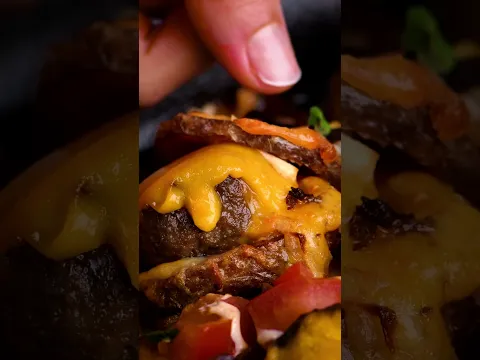 0:46
0:46Get a load of these cheeseburger fries 🍔🍟
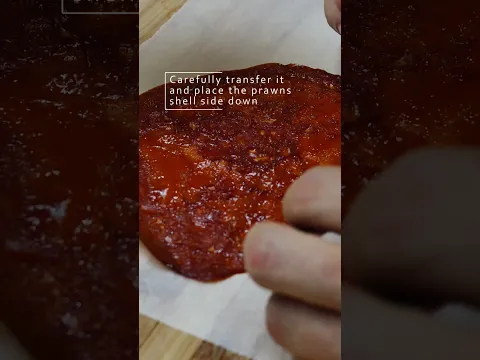 0:38
0:38Edible Fossil Chips Made From Prawn and Duck
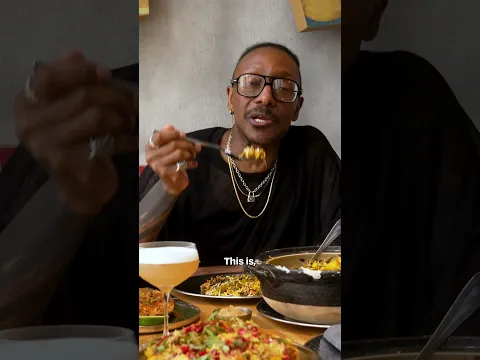 1:20
1:20Why Gregory Gourdet loves the Biryani at NYC's Dhamaka #nyc #eater
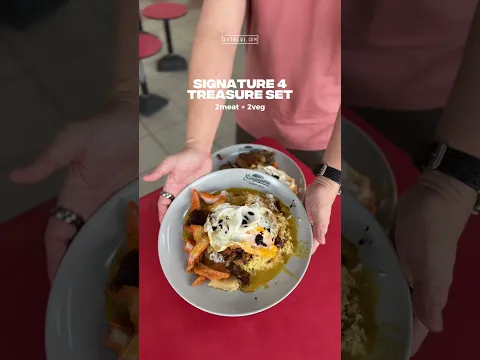 0:18
0:18curry rice is easily my go-to choice for lunch!!🍛 #singapore #sgfoodie #hawkerfood #affordable
 9:00
9:00We Turned Fresh Catfish Into Patties!
 2:56
2:56