 5:11
5:11Maangchi
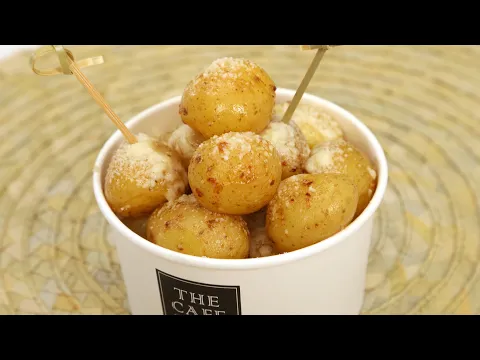
Korean highway reststop potatoes
Learn the simple professional techniques behind Korea's famous highway rest stop potatoes (hyugeso gamja), balancing starch control, slow butter-roasting, and a sweet-salty finish.
Cuisine
Korean cooking on the pass: gochujang and doenjang depth, banchan discipline, and grill work that runs hot and fast. Fermentation does the heavy lifting long before service starts.
Korean cooking on the pass: gochujang and doenjang depth, banchan discipline, and grill work that runs hot and fast. Fermentation does the heavy lifting long before service starts.
5:11Learn the simple professional techniques behind Korea's famous highway rest stop potatoes (hyugeso gamja), balancing starch control, slow butter-roasting, and a sweet-salty finish.
 26:00
26:00What makes a frozen fried rice work? Professional chefs Jae Lee, Hiroko Shimbo, and Eric Huang blind taste and deconstruct popular supermarket brands to evaluate texture, protein quality, and seasoning balance.
 16:56
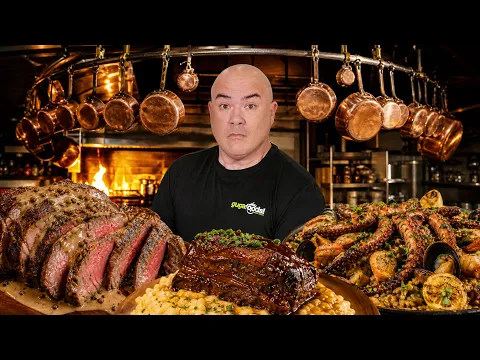
16:56An editorial analysis of Amelia’s 1931 in Miami, examining how Chef Eileen Andrade balances Cuban heritage and Korean flavours through smart menu design and tight kitchen execution.
 18:15
18:15An editorial look at how NYC's underground Michelin-starred restaurant Noksu maintains high-precision standards and flawless kitchen organisation within a cramped subway station footprint.
 18:38
18:38Learn how to transform block tofu into a versatile shredded meat alternative using a simple box grater technique, perfect for plant-based mains.
 6:10
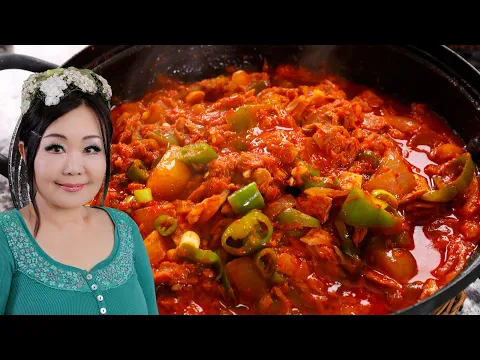
6:10Master the art of Chamchi-jjigae, a rapid-prep Korean canned tuna stew that delivers deep umami and layered spice using clever pantry assembly.
 5:33
5:33Discover how to execute a fast-paced street-food favourite with Stalekracker's Korean BBQ Shrimp Tacos, perfect for busy service lines.
 14:49
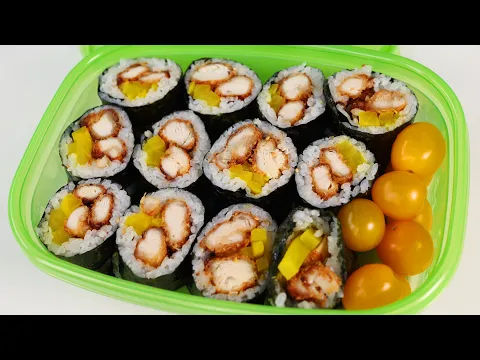
14:49Learn the essential techniques of rolling, seasoning, and slicing Korean chicken gimbap (dakgogi-gimbap) for clean, professional presentation.
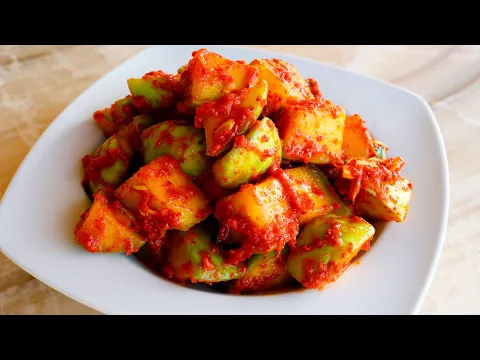 11:37
11:37Discover how to utilise chayote as a brilliant, crisp alternative to Korean radish in this masterclass on cubed kimchi (kkakdugi) by Maangchi.
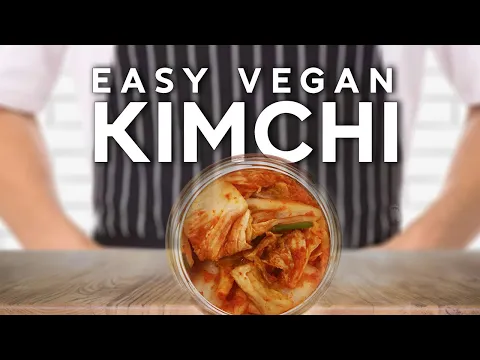 3:34
3:34Learn a scaleable, zero-waste formula for vegan kimchi with The London Chef. This professional guide swaps fish sauce for soy sauce and uses percentage-based ratios to ensure flawless fermentation every time.
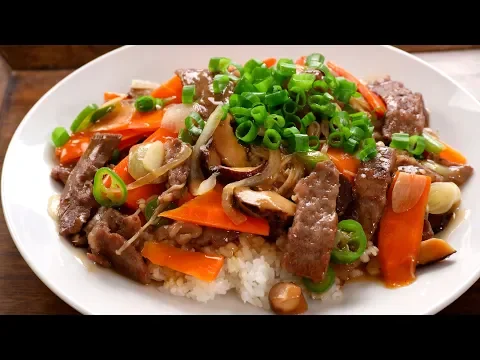 11:06
11:06Discover how to master Soegogi-beoseot-deopbap, a comforting Korean beef and mushroom stir-fry over rice, using standard kitchen staples for maximum umami and fast-paced service.
 18:12
18:12Discover the culinary mechanics of Kodari-jorim, a traditional Korean braised dish. Learn how semi-dried pollock and radish interact to create a masterclass in texture, moisture control, and deep glaze reduction.
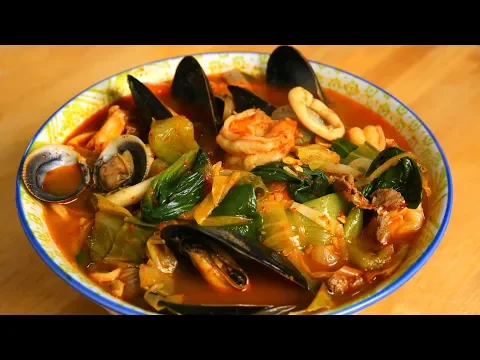 16:15
16:15Master the art of authentic Korean-Chinese Jjamppong. Learn how to balance fiery, smoky wok-seared aromatics with delicate seafood in this professional culinary overview.
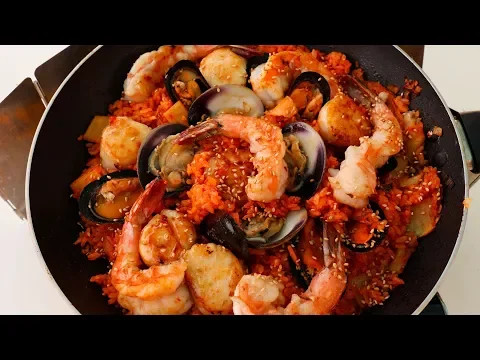 13:05
13:05Discover how to master Haemul Kimchi Bokkeumbap (Korean seafood kimchi fried rice) with our professional culinary guide. Learn essential techniques for managing seafood moisture, utilising aged fermentation, and achieving the perfect rice texture.
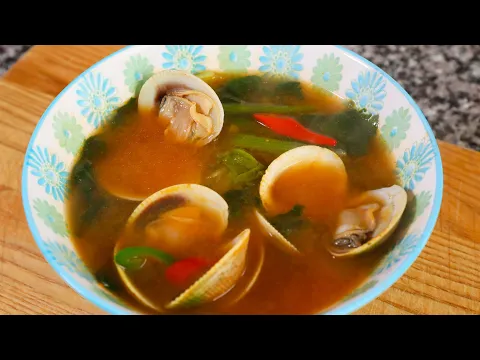 11:41
11:41Learn the culinary secrets behind Maangchi's Sigeumchi-jogae doenjangguk, a rustic Korean spinach and clam soup that balances deep fermented umami with fresh, briny flavours.
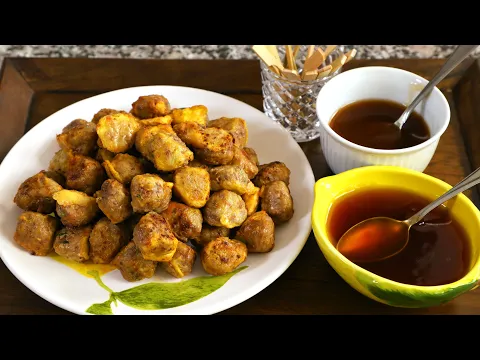 9:20
9:20Master the art of Korean meatballs (Wanja) with Maangchi's bulgogi-inspired recipe, designed for efficient prep and robust flavour profiles on modern menus.
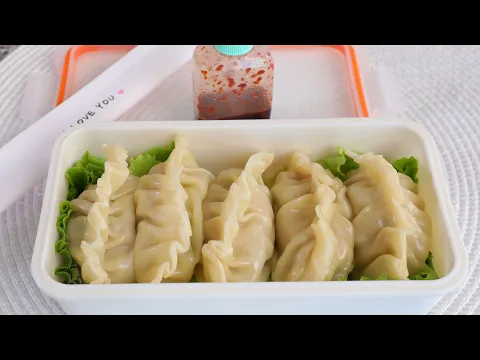 11:36
11:36Discover the art of crafting Dakgogi mandu (Korean chicken dumplings) with this expert overview. Master the techniques of moisture control, filling prep, and professional steaming.
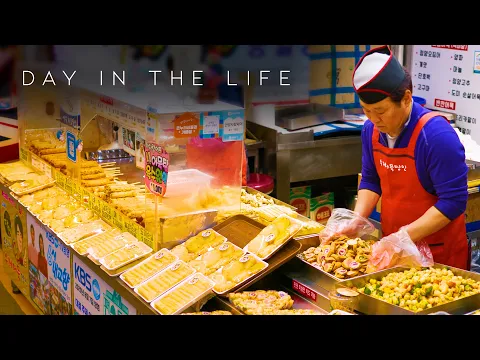 24:25
24:25Go behind the scenes of Anyang Market to discover the intricate techniques of Mr. Song, a legendary Korean street food vendor crafting thirty varieties of artisan fish cakes.
 10:32
10:32Discover the culinary secrets of Korean street toast (Gilgeori-toast) with this editorial breakdown. Learn how to balance the sweet-and-savoury profile, master the egg-to-vegetable ratio, and execute high-speed griddle cooking for a busy breakfast service.
 6:08
6:08Discover the professional techniques behind Korean spicy stir-fried pork (dwaejigogi-bokkeum). Learn to manage high-heat caramelisation and emulsify fats with rich chilli paste to achieve a glossy finish in just fifteen minutes.
 9:50
9:50Discover how J. Kenji López-Alt utilises active lactic-acid-rich kimchi brine to tenderise and deeply season fried chicken, fusing bold Korean aromatics with a classic Southern-style technique.
 65:27
65:27An editorial analysis of the MICHELIN Guide Ceremony Seoul & Busan 2026, exploring the evolving culinary benchmarks, regional gastronomy, and strategic takeaways for ambitious chefs worldwide.
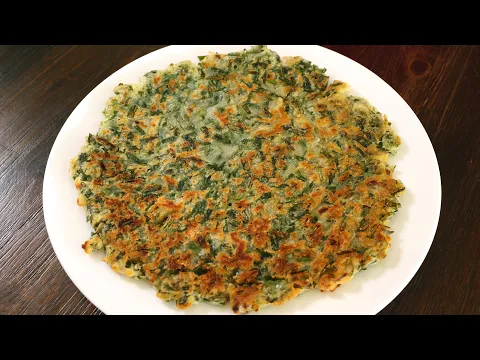 5:48
5:48Discover the art of crafting authentic Korean chive pancakes (Buchujeon). This guide explores the essential techniques for balancing delicate batters, managing pan temperatures, and achieving a signature shatteringly crisp edge.
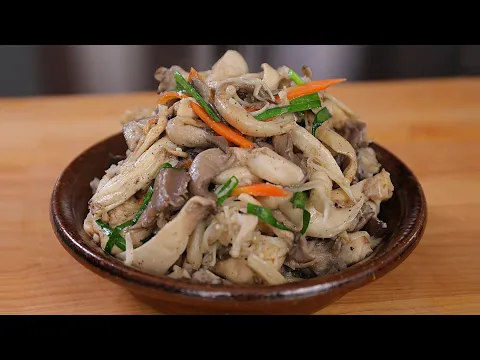 11:23
11:23Discover how the traditional Korean blanch-and-squeeze method transforms the texture and flavour profile of oyster mushrooms in this classic side dish.
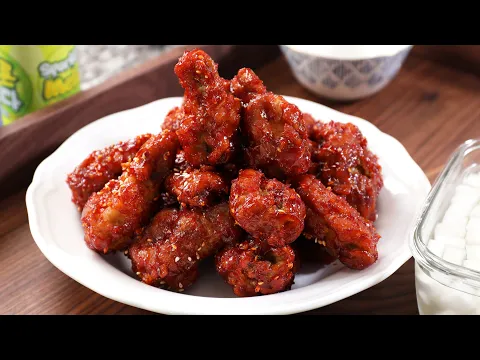 9:20
9:20Discover the professional techniques behind authentic Korean fried chicken (Yangnyeom-tongdak). Learn how starch coatings, double-frying, and a perfectly emulsified glaze combine to create a world-class dish that stays crispy on the pass.
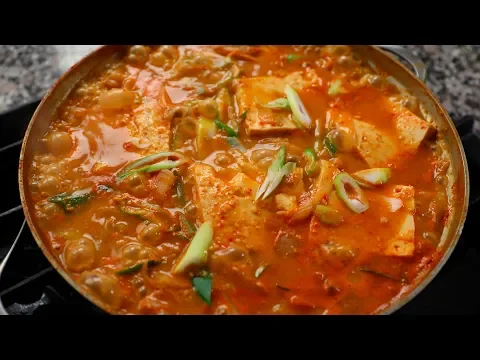 10:02
10:02Discover the art of balancing Korea's most pungent ingredient in this professional guide to Cheonggukjang-jjigae, featuring techniques from Maangchi.
 15:57
15:57Discover the traditional art of crafting Korean pat-sirutteok. Learn key techniques for hydrating rice flour, texturing red beans, and layering for a perfect steamed finish.
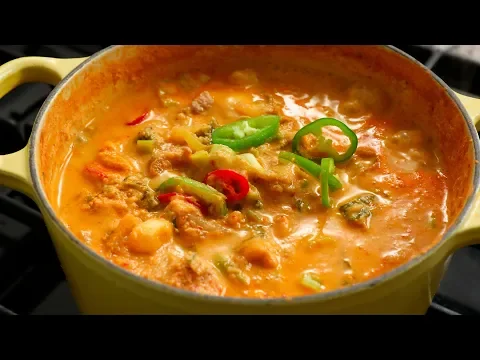 15:18
15:18Discover the rustic depth of traditional Korean comfort food with this editorial overview of Maangchi's ground soybean stew (kongbiji-jjigae), highlighting texture management and flavor balancing.
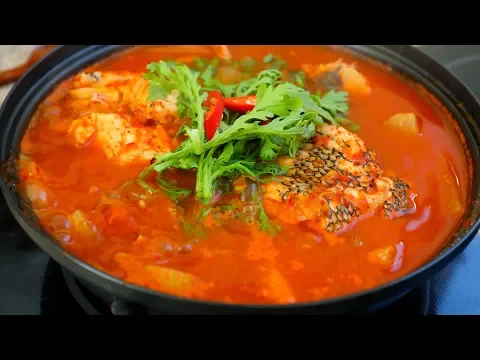 15:46
15:46Discover the art of crafting authentic Maeuntang, the classic Korean spicy fish stew. Learn how to balance clean, oceanic sweetness with complex, fermented heat using whole black sea bass and fresh aromatics.
 83:44
83:44A professional analysis of the MICHELIN Guide Seoul & Busan 2025 ceremony, exploring the culinary standards, regional trends, and strategic takeaways for chefs aiming for international acclaim.
Shorts & reels
Sixty-second clips — one idea, one trick, no preamble.
 1:35
1:35 1:38
1:38 0:31
0:31 0:57
0:57 1:17
1:17 1:42
1:42 1:00
1:00 0:36
0:36 2:42
2:42 1:59
1:59 1:00
1:00 0:48
0:48Questions from the pass
Gochujang is a fermented chilli paste sweetened with glutinous rice, ideal for finishing sauces or glazing pork belly at the end of cooking. Doenjang is a salty, umami-rich fermented soybean paste used as a base for stews like doenjang jjigae. Doenjang withstands prolonged boiling, while gochujang burns easily due to its sugar content and requires careful temperature control on the line.
Banchan prep relies on strict temperature control and fermentation schedules. Quick-pickled items like mu saengchae are salted and drained to maintain crunch, then stored at 2°C to 4°C. Lacto-fermented baechu-kimchi is fermented at 15°C for three days before cold storage. Service portions must be kept dry; excess moisture ruins the crisp texture of seasoned spinach.
For thin-sliced meats like bulgogi or samgyeopsal, set the charcoal or gas grill to 230°C to 260°C. Cook hot and fast to caramelise the marinades without boiling the meat in its own juices. Thinner cuts of beef brisket require only 10 to 15 seconds per side on a dry, smoking-hot dome plate.
Standard kitchen prep uses a 2:1 ratio of doenjang to gochujang. Combine 200g doenjang and 100g gochujang with 15ml toasted sesame oil, one minced garlic clove, and 10g toasted sesame seeds. Stir until smooth. This thick dipping sauce is served raw alongside grilled meats and lettuce wraps, and holds well for up to a week at 3°C.
Use grated Asian pear or kiwi fruit in the marinade. The enzyme calpain breaks down meat fibres. Use no more than 15g of pureed pear per 500g of beef flank or ribeye, and limit marinade time to two hours. Exceeding this ratio or time turns the beef mushy on the grill, ruining the bite required for service.
The library is just the prep work
A free account on The Chef's Circle app gets you a professional portfolio, a way in with chefs and kitchens across our 1.6 million-strong following, and a cut of the ad revenue on the content you make.