How Italian Chefs Cook Your Food: From Order to Plate
15 August 2026 · 56:24 watch
Advertisement
Step behind the pass with Denis Prokopyev for an immersive, first-person look at how professional Italian kitchens handle the dinner rush from the moment a ticket prints to final plating.
Key takeaways
- Prioritise meticulous mise en place to ensure rapid execution once tickets begin printing.
- Maintain constant, clear verbal communication with the brigade to synchronise cooking times.
- Execute plating with speed and intent to preserve food temperature and presentation quality.
- Optimise spatial awareness and station layout to minimise wasted movement on the line.
An immersive, first-person perspective of a professional kitchen offers invaluable insights into the unspoken dance of a high-pressure line. In this video, Denis Prokopyev provides a head-chef's-eye view of a professional Italian kitchen during service, tracing the journey of a dish from the moment the ticket prints to the final pass. For chefs looking to refine their line management and communication, this behind-the-scenes look demonstrates how fluid teamwork, spatial awareness, and muscle memory translate into consistent, high-quality plates.
Mastering the Flow of the Hot Line
Operating a successful hot line requires more than just culinary skill; it demands rigorous kitchen organisation and a structured workflow. This presentation illustrates how a professional chef manages multiple tickets simultaneously without losing composure. Key to this process is mise en placeMise en PlaceFrench for "everything in its place"; the preparation and organisation completed before service. efficiency—having every pan, squeeze bottle, and garnishGarnishAn edible element added primarily to enhance flavour, texture or presentation. prep ready before the rush begins. Watch how the chef coordinates pan-searing and sautéSautéTo cook food quickly in a small amount of fat over relatively high heat.ing steps, ensuring that proteins and sauces finish cooking at the precise moment required for assembly. This prevents delicate ingredients from overcooking or cooling down on the pass, which is a common pitfall in high-volume settings.
Communication and Plating Under Pressure
Clear verbal cues and spatial coordination are the lifelines of any busy brigade. The POV perspective highlights the constant dialogue between the head chef, line cooks, and front-of-house staff. As orders are called out, the kitchen responds in unison, preventing bottlenecks at the pass. When it comes to the plating and garnishing stage, precision is paramount. The video shows how a professional finishes a dish with speed and intent, using clean, decisive movements to apply garnishes and sauces. Observing this real-time tempo helps aspiring and established chefs alike audit their own plating speed, ensuring food is served at its optimal temperature.
Questions from the pass
Frequently asked questions
How can a chef improve ticket times during a busy dinner service?
Improving ticket times relies on meticulous prep work and clear station organisation before service. By ensuring all ingredients, pans, and garnishes are within arm's reach, a chef minimises movement. Additionally, establishing a strong calling system for tickets prevents confusion and ensures the line cooks coordinate their cooking times perfectly.
What is the benefit of watching POV kitchen videos for professional development?
POV kitchen videos offer a rare, unfiltered look at a chef's physical movements and line spatial awareness. Observing another professional's economy of motion, pan handling, and station management allows other chefs to audit their own habits. It helps identify areas where they can reduce unnecessary steps and streamline their service flow.
How do Italian chefs maintain quality control on the pass under pressure?
Quality control on the pass is maintained through rigorous double-checking of every plate against the ticket order. The head chef inspects the final garnish, wipe-down of the plate rims, and overall presentation before releasing it to the front-of-house team. This final check ensures that speed never compromises the restaurant's culinary standards.
Why is verbal communication so critical in a fast-paced kitchen environment?
Verbal communication prevents bottlenecks and ensures different elements of a single ticket finish cooking simultaneously. In a busy brigade, cooks must constantly call out their timings, such as "two minutes on the pasta," so that hot elements are plated together. Without this dialogue, dishes sit cooling on the pass, ruining the guest experience.
Original video by Denis Prokopyev. This overview is written independently by The Chef's Circle editorial desk — watch the original on YouTube.
Keep reading
Related from the Community
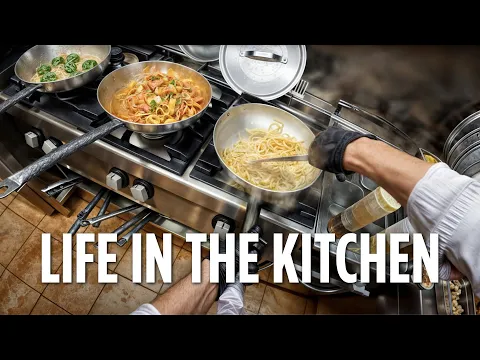 54:10
54:10POV: Head Chef at a Italian Restaurant
 10:40
10:40I Tried a MICHELIN STARRED PASTA Restaurant
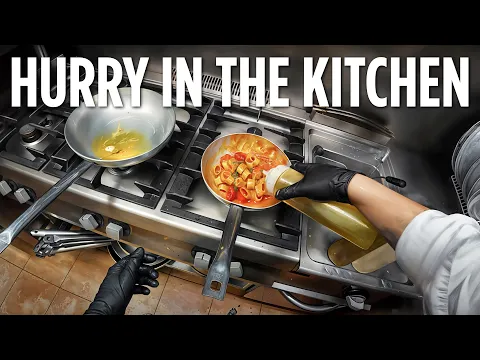 47:17
47:17POV: INSIDE A BUSY ITALIAN RESTAURANT DURING DINNER SERVICE
 16:40
16:40The RESTAURANT That Made HISTORY for Me (105-Year-Old Wine & The Best Pasta Dish Ever)
 2:59
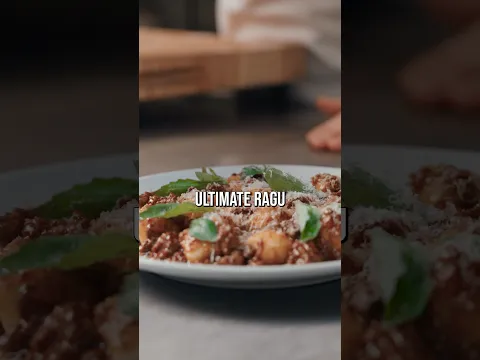
2:59The Best Ragu You’ll Ever Make
 19:42
19:42